
Introduction
If you have started looking into a privacy fence, you have probably noticed one thing right away: prices can vary widely. One neighbor might tell you they paid a reasonable amount, while another warns you it was far more than expected. That difference usually comes down to several key factors that many homeowners do not consider at the beginning.
The cost of a privacy fence installation is not just about how long the fence is. It is shaped by the materials you choose, the condition of your property, local regulations, and even the time of year the work is done. Understanding these factors early helps you plan your budget realistically and avoid surprises once installation begins.
As someone who has worked closely with homeowners on fencing projects in King County, WA, I have seen how confusion around pricing often leads to frustration. This guide breaks down the real-world factors that influence cost, explains why they matter, and helps you decide what makes sense for your home. By the end, you will know what questions to ask, what trade-offs to consider, and how to move forward with confidence.
Fence Material Choices and Their Impact
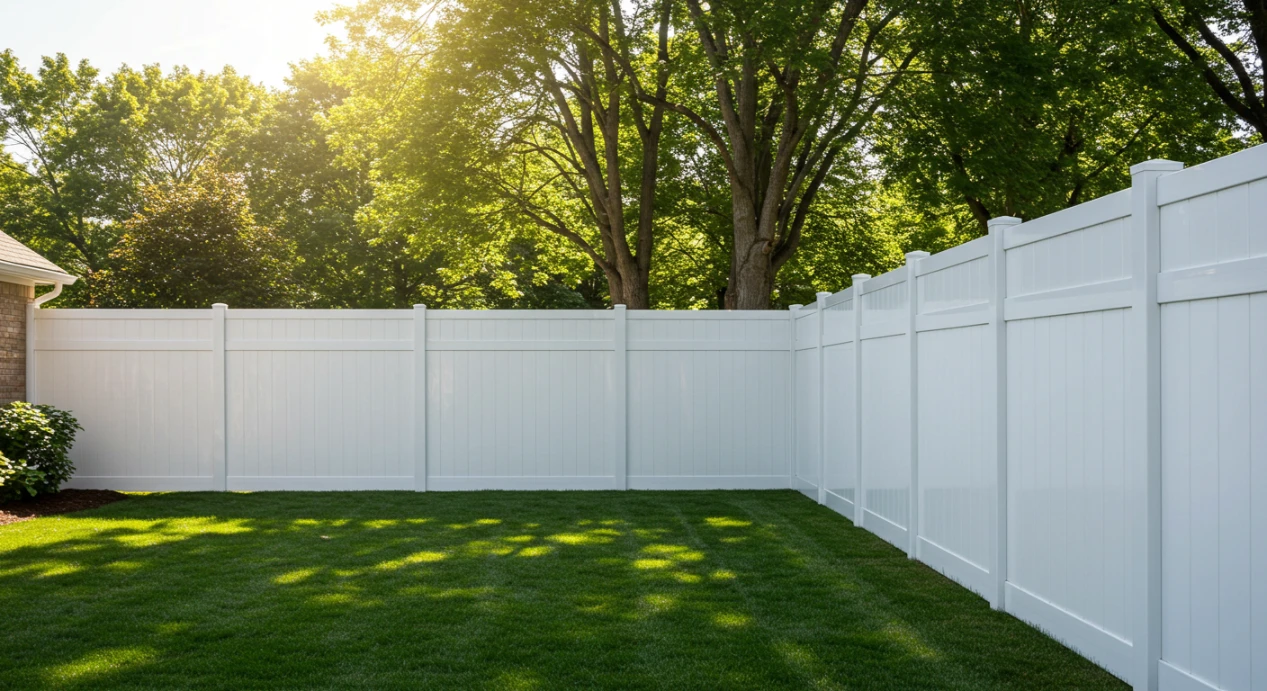
The biggest cost driver is the material you choose. Privacy fences are commonly built from wood, vinyl, or composite materials. Each option has a different upfront cost and long-term value.
Wood fences are popular because they look natural and can be customized easily. However, wood quality varies. Cedar costs more than pressure-treated pine, but it lasts longer and handles moisture better, which matters in the Pacific Northwest.
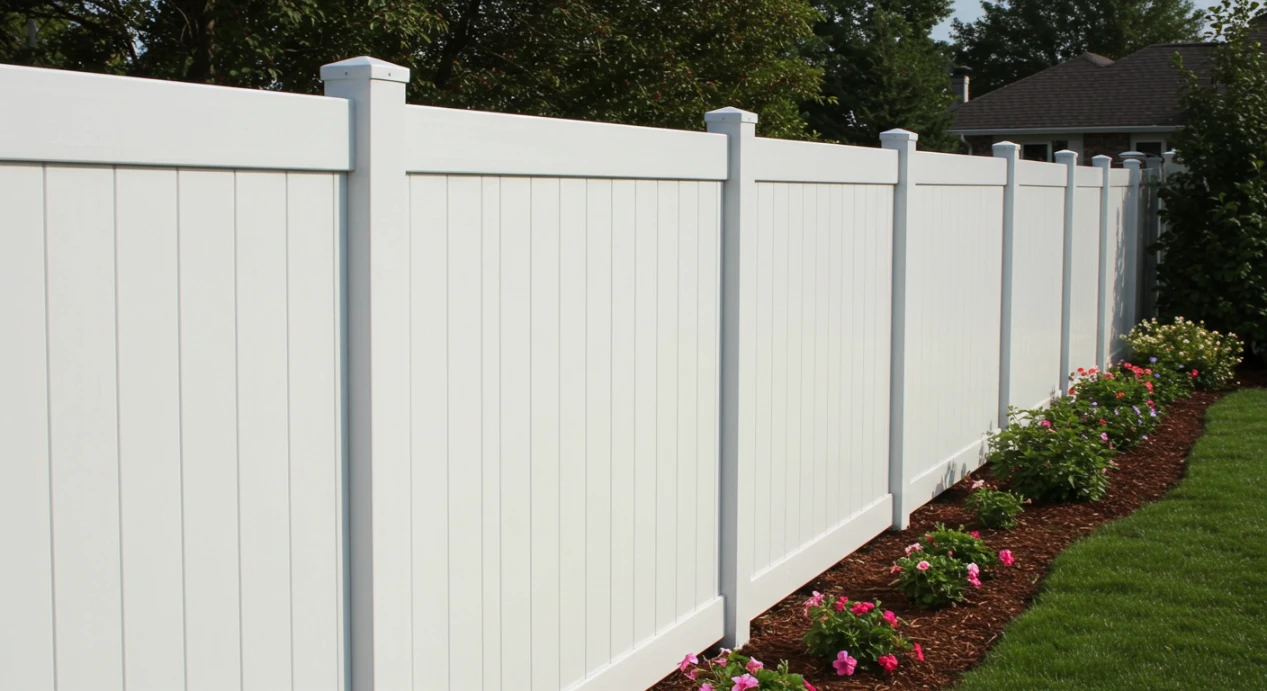
Vinyl fencing usually costs more upfront, but it requires very little maintenance. Composite fencing sits at the higher end of the range, offering durability and a modern look, but at a higher initial investment.
Your choice should balance appearance, lifespan, and how much maintenance you are willing to handle over time.
Pro Tip: If your budget is tight, ask about mixing materials. Some homeowners use higher-end materials in visible areas and more affordable options along the sides or back.
Fence Height and Overall Length
Privacy fences are taller than decorative fences, and height matters. A six-foot privacy fence costs more than a four-foot fence because it uses more material and requires stronger posts for stability.
Length also adds up quickly. Even a small increase in linear footage can noticeably raise the total cost. This is why accurate measurements are essential before requesting estimates.
Corners, gates, and changes in direction also affect pricing. These features take more labor and hardware than straight fence runs.
Terrain and Property Conditions
Your yard plays a major role in installation costs. Flat, clear land is the easiest and least expensive to work with. Sloped yards, rocky soil, or heavy tree roots require extra labor and specialized equipment.
In King County, it is common to encounter uneven terrain and dense soil. Digging post holes in these conditions takes more time, which increases labor costs.
Accessibility matters too. If installers cannot easily bring materials and equipment to the fence line, the project becomes more labor-intensive.
Pro Tip: Walk your property before getting quotes and note slopes, obstacles, or tight access points. Sharing this upfront leads to more accurate estimates.
Permits, Codes, and HOA Rules
Local regulations can add both time and cost to your project. Many cities in King County have height limits, setback requirements, or permit fees for privacy fences.
If you live in a neighborhood with a homeowners association, there may be additional rules about fence style, color, and placement. Adjusting your design to meet these requirements can affect material and labor costs.
Skipping permits might seem like a way to save money, but it often leads to fines or forced changes later.
Labor and Installation Complexity
Labor is a significant portion of the total cost. Straightforward installations take less time and fewer workers. Complex designs with multiple gates, custom patterns, or decorative elements increase labor hours.
Weather also affects labor. Wet or cold conditions can slow progress, especially during winter months in Washington.
Experienced installers may charge more, but they usually complete the job efficiently and correctly the first time.
Timing and Seasonal Demand
Fence installation costs can change depending on the season. Spring and summer are the busiest times, which can mean higher demand and longer scheduling times.
Fall and winter projects may come with more flexible scheduling, but weather delays are more common. Planning ahead allows you to choose timing that fits both your budget and your schedule.
Cost Factors at a Glance
| Cost Factor | Why It Matters |
|---|---|
| Material Type | Determines durability, appearance, and maintenance needs |
| Fence Height | Taller fences require more materials and stronger posts |
| Total Length | More linear footage increases material and labor costs |
| Terrain | Slopes and rocky soil increase installation difficulty |
| Permits & Rules | Fees and design changes can add unexpected costs |
| Labor Complexity | Custom designs and gates take more time to build |
Common Mistakes That Increase Costs
Many homeowners focus only on upfront price and overlook long-term expenses. Choosing the cheapest material may lead to repairs or replacement sooner than expected.
Another mistake is underestimating site preparation. Clearing brush or removing old fencing often costs extra if not planned for.
When planning a privacy fence installation, costs can vary widely depending on materials, labor, and property size. According to The U.S. Census Bureau, the number of home improvement projects and expenditures has steadily increased, highlighting the importance of budgeting carefully before starting any fencing project.
Rushing into a decision without comparing options can also lead to regret later.
Pro Tip: Ask contractors to explain what is included in their quote and what is not. Clarity upfront prevents misunderstandings.
Thinking Through Your Privacy Fence Project
Before moving forward, think about how long you plan to stay in your home, how much privacy you actually need, and how the fence will affect your property’s appearance. A fence that works for a family with young children may not be the best choice for someone focused on resale value.
Consider maintenance honestly. If staining or sealing every few years does not appeal to you, a low-maintenance option may be worth the higher upfront cost.
Conclusion
The cost of a privacy fence installation depends on many interconnected factors, from materials and terrain to local rules and labor complexity. When you understand these elements, you can make informed decisions that fit your budget and your goals.
If you need guidance specific to your property in King County, WA, a local expert can help you evaluate options realistically. Monkey Fence has experience helping homeowners navigate these decisions and plan projects with clarity. If you have questions or want professional insight, you can reach out at info@monkeyfence.com or call (425) 517-2355 for helpful, no-pressure advice.
Key Questions Homeowners Ask
How much does yard preparation affect cost?
Yard preparation can significantly affect cost. Removing old fencing, leveling ground, or clearing vegetation adds labor time and equipment use.
Is a taller fence always better for privacy?
Not always. A well-placed six-foot fence often provides the same privacy as a taller one, without the added cost or permit issues.
Do gates add a lot to the price?
Yes, gates require additional hardware and precise installation. Wider or decorative gates increase costs further.
Are estimates usually accurate?
Estimates are accurate when property conditions are fully understood. Hidden obstacles or unplanned changes can increase final costs.