
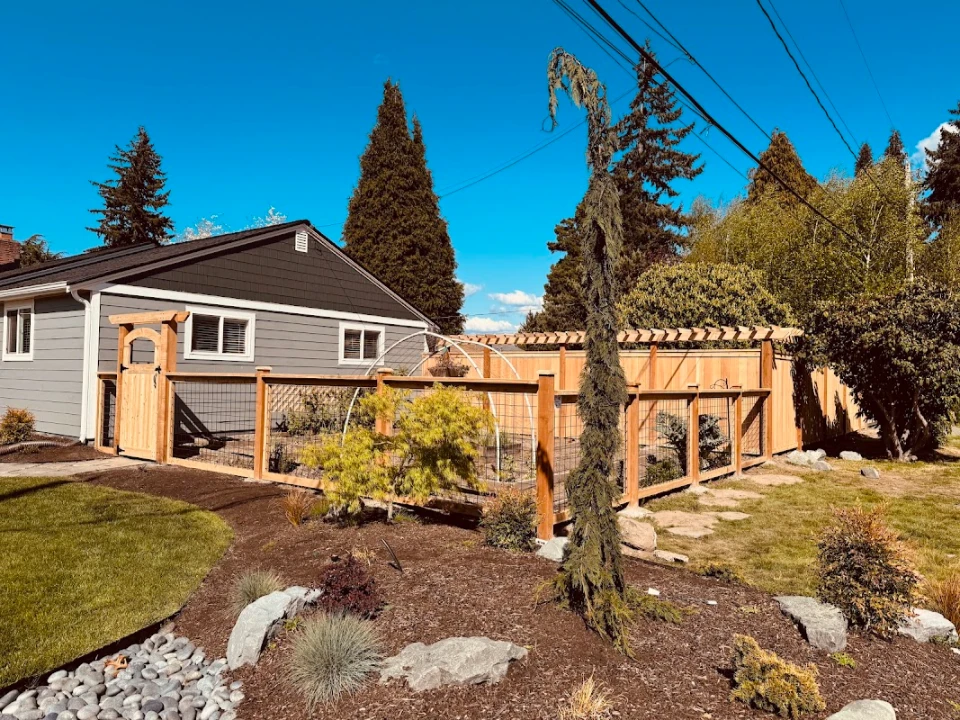
The essential steps to prepare your property for a new fence installation include checking local regulations and property lines, clearing the installation area, marking underground utilities, notifying neighbors, and addressing drainage issues. These preparatory actions prevent delays, avoid costly mistakes, and ensure a smooth installation process. This comprehensive guide covers every aspect of preparation to help property owners avoid common pitfalls and achieve successful fence installation results.
Proper preparation is the foundation of any successful fencing project. With years of installation experience, Monkey Fence understands that attention to detail before the first post hole is dug saves time, money, and frustration. The fence market continues to grow, with residential fencing alone reaching billions in market value according to industry reports, making preparation even more critical as demand increases.
Check Legal Requirements First
Before any physical preparation begins, understanding legal requirements is non-negotiable. Start by contacting your local planning department or municipal office to learn about zoning laws, height restrictions, material requirements, and setback rules. Many municipalities have specific regulations about fence height (typically 6-8 feet for backyard fences), distance from property lines, and materials allowed in different zones IBISWorld.
Property line verification comes next. Hire a licensed surveyor if you’re uncertain about boundary lines, especially if installing along disputed areas or property corners. The cost of a survey is minimal compared to potential legal battles from encroaching on a neighbor’s property. Property markers can shift or disappear over time, so relying solely on existing markers poses risks.
Homeowner Association (HOA) requirements add another layer of regulation. Review HOA covenants carefully for restrictions on fence style, color, material, and placement. Some associations require architectural review and approval before installation begins. Missing this step can result in forced fence removal or hefty fines, creating expensive and frustrating situations.
Prepare the Installation Area
Once legal matters are settled, physical preparation of the installation area begins. Clear the fence line of all vegetation, debris, rocks, and obstructions. Remove plants, shrubs, and trees within the fence line or those that might interfere with installation. For professional results, clear an additional 2-3 feet on each side of the planned fence line to provide working room for equipment and personnel.
Underground utility marking represents one of the most critical safety steps. Call 811 or your local utility marking service at least 48-72 hours before digging begins. This free service marks the location of gas, water, electric, and communication lines. Hitting an underground line can cause serious injury, property damage, service disruptions, and significant repair costs. The Common Ground Alliance reports that underground utility strikes occur every six minutes nationwide, making this step essential.
Address drainage issues along the fence line before installation begins. Poor drainage can cause posts to shift, lean, or fail prematurely. Look for pooling water, erosion patterns, or areas where water naturally flows. Consider grading adjustments or drainage solutions like French drains to direct water away from the fence line. In regions with heavy rainfall or clay soil, proper drainage becomes even more important for fence longevity.
Material and Equipment Planning
Different fence materials require specific preparation approaches. Wood fences need space between the ground contact and the bottom of the pickets to prevent moisture damage. Vinyl and aluminum fences often require specific post spacing and concrete footing depths based on local frost lines. Chain link fences need tension wire preparation and gate hardware planning.
The table below outlines common preparation considerations by fence material type:
| Material Type | Post Spacing | Concrete Depth | Special Considerations |
|---|---|---|---|
| Wood | 6-8 feet | 24-36 inches | Ground clearance, waterproofing |
| Vinyl | 6-8 feet | 24-36 inches | Gate post reinforcement needed |
| Aluminum | 6-10 feet | 24-36 inches | Level ground is critical for appearance |
| Chain Link | 8-10 feet | 24-30 inches | Tension wire preparation is required |
Bonus Tip: For wooden fences, pre-sealing all cuts and ends with waterproof sealant before installation significantly extends fence life, especially in humid climates.
Equipment access planning often gets overlooked, but it can make or break installation efficiency. Ensure gates, pathways, and access points are wide enough for equipment and materials. Remove temporary barriers that might block access. In urban or tight spaces, plan for material storage that doesn’t obstruct neighbors or public areas.
Neighbor Communication and Site Management
Good neighbor relations start with early communication. Notify adjacent property owners about your fence installation plans, especially if work might affect their property or if the fence sits on a property line. Discuss shared costs for boundary fences, maintenance responsibilities, and aesthetic preferences. Written agreements prevent misunderstandings later.
Site management during preparation protects your property and maintains good relations. Use tarps to protect lawns and landscaping from equipment foot traffic. Establish clear material staging areas. Block off work zones with temporary fencing or caution tape to keep children and pets safe. In residential areas, consider noise ordinances and schedule disruptive work during acceptable hours.
Regional and Climate Considerations
Climate-specific preparation ensures fence durability and performance. In cold regions, prepare for frost heave by digging post holes below the local frost line depth (typically 36-48 inches in northern states). Concrete below frost depth prevents posts from lifting during freeze-thaw cycles. The International Association of Certified Home Inspectors recommends checking local building codes for specific frost line requirements in your area.
In warmer climates with intense sun exposure, plan for UV protection during preparation. Select UV-resistant materials or plan for protective coatings. In coastal regions, prepare for salt air corrosion by choosing corrosion-resistant materials and hardware. Wind exposure requires stronger post spacing, deeper footings, and potentially wind-resistant fence designs.
Soil type affects preparation significantly. Rocky soil may require professional drilling equipment. Sandy soil needs wider post holes and more concrete for stability. Clay soil demands better drainage to prevent post damage from expanding and contracting soil. Understanding your soil composition helps determine appropriate preparation methods.
Things to Consider Before Making a Decision
Before finalizing your fence preparation plans, evaluate long-term maintenance requirements. Different materials need varying levels of upkeep, from annual staining for wood to occasional cleaning for vinyl. Consider your willingness and ability to perform maintenance over the fence’s lifespan.
Budget impacts preparation decisions. While professional preparation costs more upfront, it often prevents expensive repairs later. Get multiple quotes for preparation work if hiring professionals. Compare the costs of doing it yourself versus the potential damage from improper preparation.
Future property plans should influence preparation. If you might add a pool, deck, or extension, prepare fence lines that accommodate these changes. Consider gates wide enough for future equipment access. Preparing for expansion now saves costly modifications later.
Permit timing affects project schedules. Some municipalities require weeks or months for permit approval. Start this process early to avoid delays. Seasonal considerations also matter—spring and early fall typically offer ideal installation conditions in most regions.
Bonus Tip: When clearing vegetation, consider transplanting desirable plants rather than removing them entirely. Many shrubs and small trees can be successfully relocated to other parts of your property.
Final Preparation Considerations
Proper property preparation transforms fence installation from a stressful project into a smooth, successful process. By addressing legal requirements first, clearing the installation area thoroughly, marking utilities, and communicating with neighbors, property owners avoid common pitfalls that derail projects. Regional climate considerations and material-specific preparation ensure lasting results. Take time to evaluate long-term needs and budget constraints before finalizing preparation plans.
Evaluate your specific property conditions, local regulations, and future plans to determine appropriate preparation steps. Each property presents unique challenges and opportunities that affect preparation requirements. Thoughtful preparation upfront prevents problems and creates the foundation for a fence that serves your needs for years to come.
Ready to Start Your Fence Project?
For professional guidance on property preparation or fence installation, contact Monkey Fence at info@monkeyfence.com or call (425) 517-2355. Our team can provide site-specific preparation advice, help navigate local regulations, and ensure your property is ready for successful fence installation. Reach out today to discuss your fencing project and get expert preparation recommendations tailored to your property’s unique characteristics.
Sources
- International Association of Certified Home Inspectors – Frost line depth requirements by region for proper post installation
- Common Ground Alliance – Underground utility strike statistics and safety information for digging projects
Frequently Asked Questions
How deep should fence post holes be dug?
Post holes should extend below the local frost line, typically 24-36 inches deep for most residential fences. In colder regions, holes may need to be 48 inches deep. Always check local building codes for specific requirements in your area.
What’s the best way to mark underground utilities?
Call 811 or your local utility marking service at least 48-72 hours before digging. This free service will mark the location of all public underground utilities. For private utilities like sprinkler systems, contact a private locator service.
How much space should I clear around the fence line?
Clear the entire fence line plus an additional 2-3 feet on each side for working room. This allows equipment access and prevents damage to the surrounding landscaping during installation.
Do I need to prepare differently for a fence on a slope?
Sloped properties require specialized preparation, including stepped fence construction or custom-cut fence panels. Posts may need to be installed at different heights to maintaina proper fence appearance and function.
When is the best time of year to prepare for fence installation?
Spring and early fall typically offer ideal conditions—moderate temperatures and manageable soil moisture. Avoid frozen ground in winter or overly saturated soil in spring after heavy rains.