
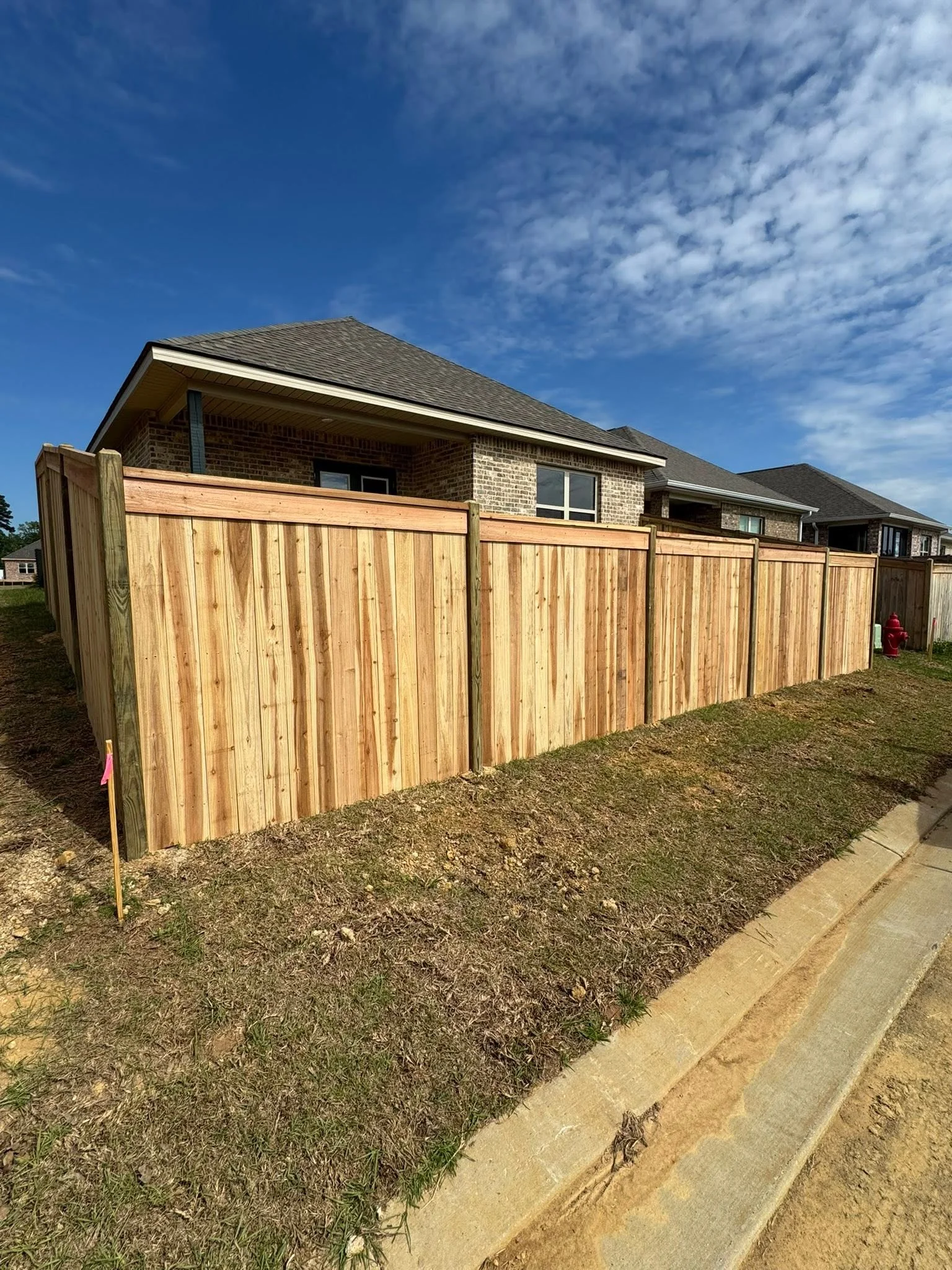
A 6-foot fence provides the best balance of privacy and visual appeal for most residential backyards. When evaluating privacy fence height options, 6 feet is tall enough to block direct sightlines from neighbors and street traffic while keeping your yard open to natural sunlight and airflow.
Monkey Fence builds custom privacy fences across the Pacific Northwest, and we see firsthand how height impacts both curb appeal and daily comfort. Choosing the right height ensures your yard feels like a welcoming retreat rather than a closed-off box.
Why 6 Feet Is the Residential Standard
Six feet aligns with the average adult eye level, which means people walking past your property cannot see into your yard. At the same time, it sits low enough to avoid casting heavy shadows over gardens, patios, and lawn grass.
Taller 7-foot or 8-foot fences can make smaller yards feel cramped and fortress-like. By contrast, a 6-foot structure frames your landscaping cleanly and maintains a balanced proportion next to single-story and two-story homes alike.
- Complete Sightline Coverage: Blocks views from ground-level windows, sidewalks, and adjacent patios.
- Sunlight and Airflow: Lets afternoon sun reach flower beds and prevents stagnant, damp air in shaded corners.
- Cost Efficiency: Standard 6-foot lumber and pre-cut panels reduce material waste and labor time.
Bonus Tip: If you want extra height without a heavy look, add a 1-foot lattice topper to a 5-foot solid panel. This gives you 6 feet of total height while letting light filter through the top.
Comparing Common Fence Heights
Different areas of your property serve different purposes, so one height rarely fits an entire lot. The table below compares how standard heights perform across privacy, aesthetics, and typical local rules.
| Fence Height | Best Yard Location | Privacy Level | Visual Impact | Permit Usually Needed |
|---|---|---|---|---|
| 3 to 4 Feet | Front yard, garden border | Low | Open and welcoming | Rarely |
| 5 Feet | Side yard, sloped lots | Moderate | Balanced and airy | Rarely |
| 6 Feet | Backyard, patio enclosure | High | Clean, standard frame | Rarely |
| 7 to 8 Feet | Busy street, two-story neighbor | Maximum | Heavy, imposing | Often required |
According to Angi, front yard fences are commonly capped at 4 feet to preserve street visibility, while backyard fences typically max out at 6 feet without a special permit.
What Design Details Improve Taller Fences?
Height alone does not determine how a fence looks from your patio or the street. Thoughtful backyard privacy fence design softens tall vertical surfaces so they complement your home’s architecture.
Adding a horizontal top cap and trim boards gives a 6-foot fence a finished, custom appearance. You can also choose a shadow-box or board-on-board pattern, which looks identical from both sides and prevents neighbors from seeing the structural rails.
- Horizontal Slats: Draw the eye sideways, making narrow backyards feel wider.
- Stepped Panels: Follow gentle slopes cleanly without leaving awkward gaps at the bottom.
- Natural Stain: Highlights wood grain and blends the fence line into surrounding trees and shrubs.
Bonus Tip: Use decorative post caps in copper, black metal, or matching cedar. This small detail breaks up long, flat fence runs and adds instant architectural character.
Key Factors to Evaluate Before Choosing Your Height
Before starting a fence installation, you need to check local rules and site conditions. Skipping these steps can result in fines or forced modifications after the concrete sets.
First, review your city’s residential fence height guidelines and any Homeowners Association covenants. According to The Home Depot, verifying local building codes and exact property lines before digging prevents costly boundary disputes and permit violations.
Second, factor in your yard’s slope and your budget. According to Angi, privacy fence installation averages around $35 per linear foot, and jumping from 6 feet to 8 feet increases both lumber costs and the concrete depth needed to resist wind.
Bonus Tip: Stand on your deck or patio and have someone hold a 6-foot pole along your property line. This quick visual test shows you whether 6 feet blocks the exact sightlines you care about most.
Balancing Function and Curb Appeal
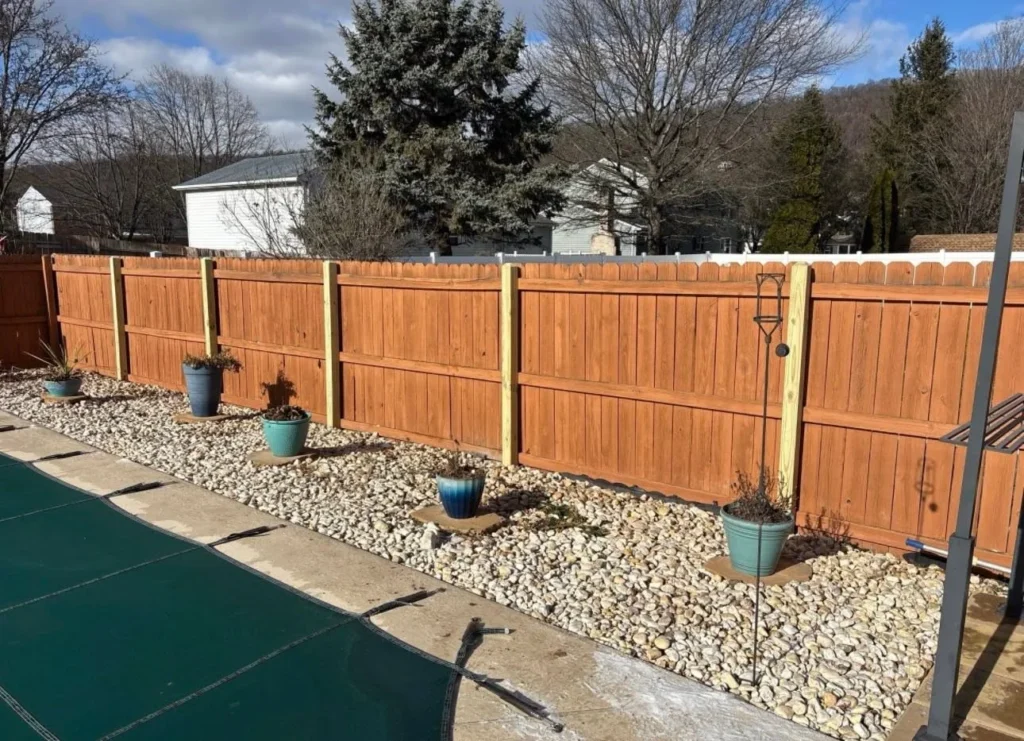
Evaluating privacy fence height options comes down to matching your yard’s layout with your daily privacy goals. For most homeowners, a 6-foot backyard fence paired with a 3-foot or 4-foot front yard border delivers the ideal mix of seclusion, sunlight, and neighborhood charm.
Take time to check local height limits, measure your slopes, and test sightlines before ordering materials. Choosing the right height now ensures your fence looks great and protects your property for decades.
Schedule Your Free Fencing Consultation Today
Ready to find the ideal fence height and style for your yard? Monkey Fence handles everything from property line layout to durable post installation. We provide honest recommendations, transparent pricing, and craftsmanship built for Pacific Northwest weather. Contact us today for a free quote by calling (425) 517-2355 or emailing info@monkeyfence.com to discuss your project.
Common Questions About Privacy Fence Heights
Is a 5-foot fence tall enough for privacy?
A 5-foot fence blocks views when you are sitting on a patio, though taller neighbors can still see over it while standing. It works well for moderate screening.
When should I choose an 8-foot fence?
Choose an 8-foot fence if your yard sits lower than a neighbor’s property, borders a busy road, or sits next to a two-story home overlooking your patio.
Do taller fences require deeper post holes?
Yes, taller fences catch more wind and need deeper support. A 6-foot fence typically requires 24-inch to 30-inch post holes, while an 8-foot fence needs 36 inches.
Can I build a 6-foot fence in my front yard?
Most cities restrict front yard fences to 3.5 or 4 feet to keep street sightlines clear for drivers. Always check local zoning rules before building in front setbacks.
Does fence height affect my home’s resale value?
A well-proportioned 6-foot backyard fence usually boosts buyer appeal by offering ready-made privacy for pets and families, whereas overly tall fences can make small lots feel boxed in.
Sources
- The Home Depot – How to Build a Fence – Practical planning steps covering property lines, local building codes, and permit checks.