
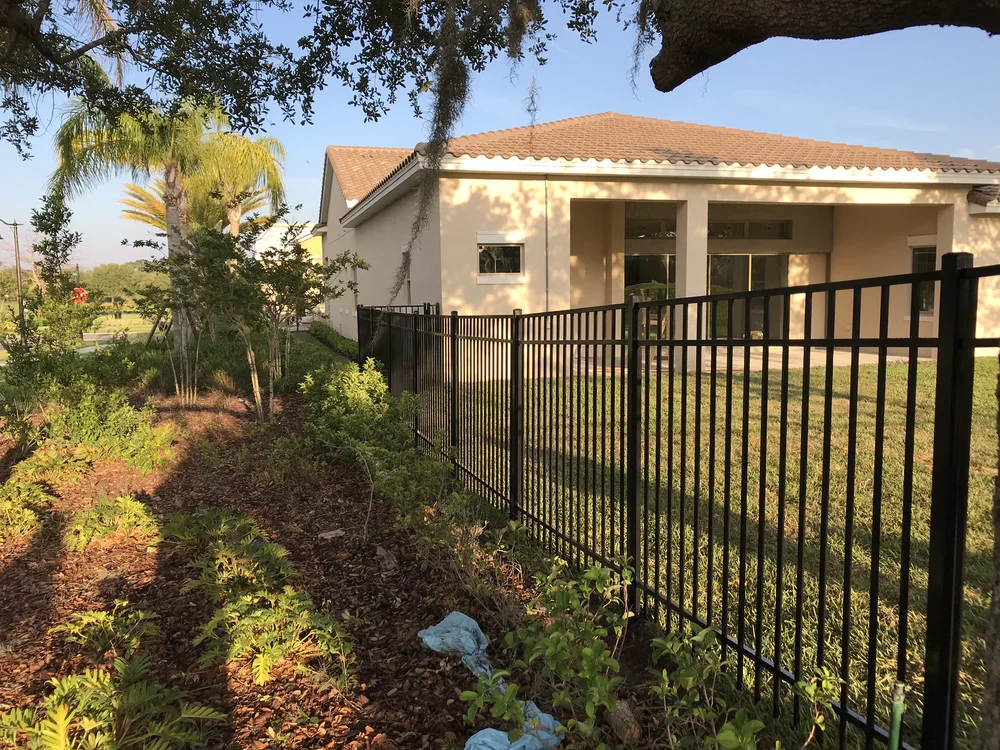
Aluminum fencing offers lightweight construction and natural rust resistance with minimal maintenance requirements, typically costing by the linear foot, while steel provides superior strength and durability with regular upkeep to prevent corrosion. The fundamental decision hinges on balancing security needs against maintenance tolerance, budget constraints, and local climate conditions. Both materials offer distinct advantages that make them suitable for different applications and homeowner priorities.
This comprehensive comparison breaks down the critical factors homeowners need to consider, from long-term costs to installation requirements, helping you make an informed decision based on your specific circumstances rather than marketing claims. The analysis draws from extensive industry experience and current market data to provide practical, actionable guidance.
Material Properties and Performance Characteristics
Aluminum fences are constructed from extruded aluminum alloys, typically 6005 or 6063 grades, which provide excellent strength-to-weight ratios. The material naturally resists rust and corrosion, making it ideal for humid climates or coastal areas where salt air accelerates metal deterioration. Aluminum fences typically weigh 30-50% less than comparable steel fences, simplifying installation and reducing foundation requirements.
Steel fencing uses galvanized or stainless steel with significantly higher tensile strength than aluminum. According to industry data from the American Fence Association, steel can withstand up to 50,000 psi of pressure compared to aluminum’s 10,000-40,000 psi range. This makes steel the preferred choice for high-security applications, areas with potential vehicular traffic, or locations prone to extreme weather events like hurricanes.
Both materials accept powder coating finishes, but steel requires galvanization or proper priming to prevent rust-through if the coating gets scratched. Aluminum maintains its structural integrity even when the coating is damaged, though bare aluminum will oxidize to a white powder over time.
Cost Analysis and Long-Term Value
The initial installation costs represent only part of the total ownership equation. A detailed breakdown reveals different value propositions over the fence’s lifetime:
Fencing Comparison: Aluminum vs. Steel
| Cost Factor | Aluminum Fencing | Steel Fencing |
|---|---|---|
| Upfront Material Investment | Generally, more affordable; a mid-range budget option. | Higher initial investment; a premium material choice. |
| Installation Labor | Reduced labor costs; faster to install due to lightweight panels. | Higher labor costs; heavier materials require more time and effort to install. |
| Long-Term Maintenance Expense | Virtually zero; requires no paid upkeep or treatments. | Recurring costs; requires investment in paint, sanding, and sealants to prevent corrosion. |
| Lifespan | Long-lasting durability. | Superior longevity, provided the budget is allocated for maintenance. |
| Rust & Corrosion Risk | Naturally rust-resistant (ideal for coastal/humid areas). | Susceptible to rust; requires ongoing paid maintenance to protect the metal. |
Bonus Tip: Request maintenance records from fence manufacturers rather than relying on warranty claims alone. Actual performance data from existing fence installations often differs significantly from laboratory testing conditions.
The steel fencing market has seen increased price volatility due to fluctuations in raw material costs. A report from the International Trade Association indicates steel prices can vary 15-25% annually based on global demand and trade policies. Aluminum pricing remains more stable, typically varying less than 10% year-over-year.
Installation Considerations and Labor Requirements
The lighter weight of aluminum fencing creates significant installation advantages. Most aluminum fence panels can be handled by one or two workers, while steel panels often require three or four people due to their weight. This difference translates directly to reduced labor costs and faster project completion times.
Steel’s superior strength allows for wider post spacing up to 8-10 feet between posts compared to aluminum’s typical 6-8 foot spacing. Fewer posts mean less concrete work and potentially lower overall costs for large installations, partially offsetting steel’s higher material expenses.
Regional Considerations: In areas with expansive soil, like Texas or Oklahoma, steel’s rigidity provides better resistance to ground movement. In hurricane-prone regions like Florida, aluminum’s flexibility can be advantageous, allowing the fence to bend rather than break under extreme wind loads. Monkey Fence recommends soil testing before finalizing material selection for large projects.
Maintenance Requirements and Longevity
Aluminum requires virtually no maintenance beyond occasional cleaning with mild soap and water. The powder-coated finish resists fading, chalking, and UV degradation for 15-20 years in most conditions. When damage occurs, touch-up paint specifically formulated for aluminum can restore the protective coating.
Steel fencing demands more attention. Even galvanized steel requires periodic inspection for rust spots, particularly at welded joints and connection points. Any breach in the protective coating must be addressed promptly to prevent rust from spreading. Stainless steel options eliminate rust concerns but come at significantly higher costs, often double the price of galvanized steel.
Bonus Tip: For coastal installations within 10 miles of saltwater, specify marine-grade aluminum (6061-T6 alloy) with anodized coating rather than standard powder coating. This combination typically adds 5-7 years to the fence’s service life compared to standard treatments.
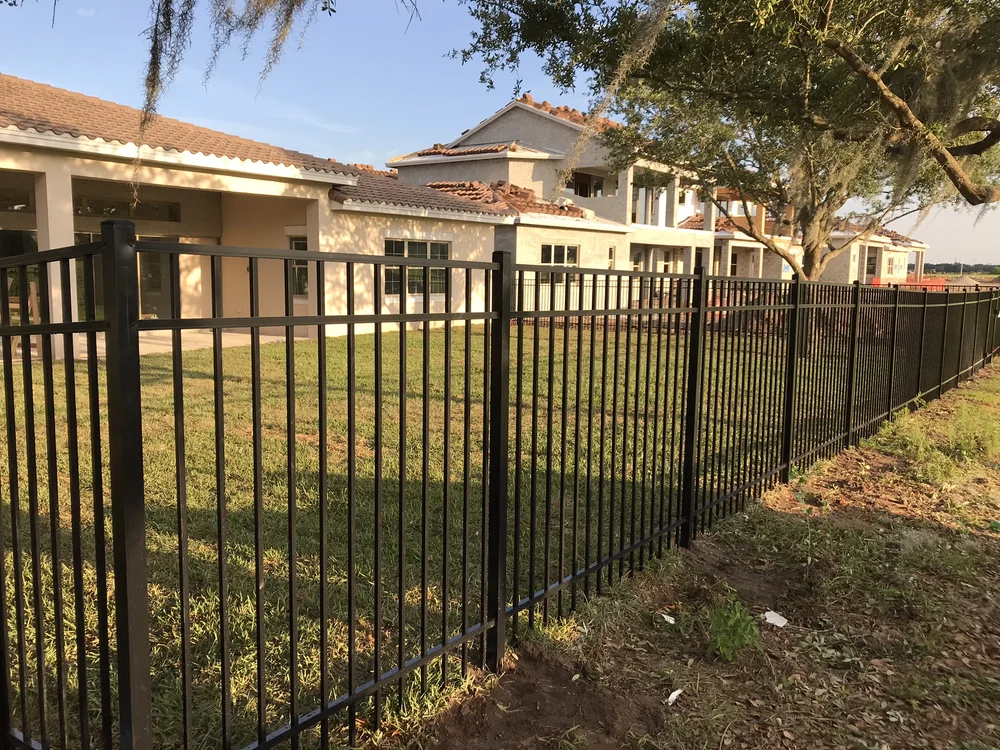
Things to Consider Before Making a Decision
Local building codes often influence material selection. Many municipalities restrict fence heights to 6-8 feet in residential areas, affecting security calculations for both materials. Some homeowner associations specify aesthetic requirements that work better with aluminum’s ornamental options or steel’s traditional appearance.
Security needs vary significantly between applications. For pool enclosures where visibility matters, aluminum’s slender profiles offer better sightlines. For properties requiring serious deterrence against intruders, steel’s resistance to cutting tools provides superior protection. The National Crime Prevention Council recommends fences at least 6 feet tall with anti-climb features for residential security, achievable with either material when properly specified.
Climate conditions play a decisive role in long-term performance. In areas with freeze-thaw cycles, aluminum’s flexibility prevents cracking and shifting that can damage more rigid steel installations. In regions with high humidity or frequent precipitation, aluminum’s corrosion resistance provides clear advantages over all but the most expensive stainless steel options.
Final Considerations
The choice between aluminum and steel ultimately reflects your specific priorities. If maintenance minimization, corrosion resistance, and ease of installation rank highest, aluminum provides a better solution despite higher initial costs. When security, strength, and long-term durability under harsh conditions take precedence, steel offers superior performance despite requiring regular upkeep.
Consider consulting with a local fencing professional who understands regional conditions and municipal requirements. Their experience with local soil types, weather patterns, and building codes provides valuable context that generalized comparisons cannot offer. Request detailed cost breakdowns that include 10-year maintenance projections to make truly informed decisions about total ownership costs.
Get Professional Guidance
For personalized assistance evaluating your specific fencing needs, contact Monkey Fence at info@monkeyfence.com or call (425) 517-2355. Our team can provide detailed assessments, accurate cost estimates, and professional recommendations based on your property requirements, local conditions, and budget considerations.
Sources
- International Trade Association – Market analysis report on steel fencing price volatility and global trade impacts
- National Crime Prevention Council – Home security guidelines and fencing recommendations for residential properties
- American Fence Association – Industry standards and technical specifications for metal fencing materials
Frequently Asked Questions
Which material offers better security for residential properties?
Steel provides superior security due to its higher tensile strength and resistance to cutting tools. For basic perimeter definition, aluminum suffices, but for properties requiring serious deterrence, steel’s physical properties make it the better choice despite higher maintenance requirements.
Can either material be used on sloped terrain?
Both materials accommodate sloped installations using raking panels or stepped configurations. Aluminum’s lighter weight makes it somewhat easier to install on steep grades, while steel’s rigidity helps maintain straight lines across uneven terrain. Professional installation is recommended for slopes exceeding 15 degrees.
How do the materials affect property values?
Quality fencing installations typically increase property values by 3-5%, with both aluminum and steel providing similar returns when properly installed. The decision should prioritize function and maintenance preferences rather than expected resale impact, as buyers’ preferences vary significantly by region.
What warranties are typically offered?
Aluminum fences usually carry 10-20 year limited warranties covering finish and structural integrity. Steel warranties range from 5-10 years and often exclude rust damage unless using premium stainless steel options. Always read warranty exclusions carefully, as most do not cover installation issues or acts of nature.
Which option works better for DIY installation?
Aluminum is substantially more DIY-friendly due to its lighter weight and simpler connection systems. Most aluminum fences use bracket-based assembly that requires minimal specialized tools. Steel installations often demand welding equipment or specialized mechanical fasteners, making professional installation more common despite higher costs.