
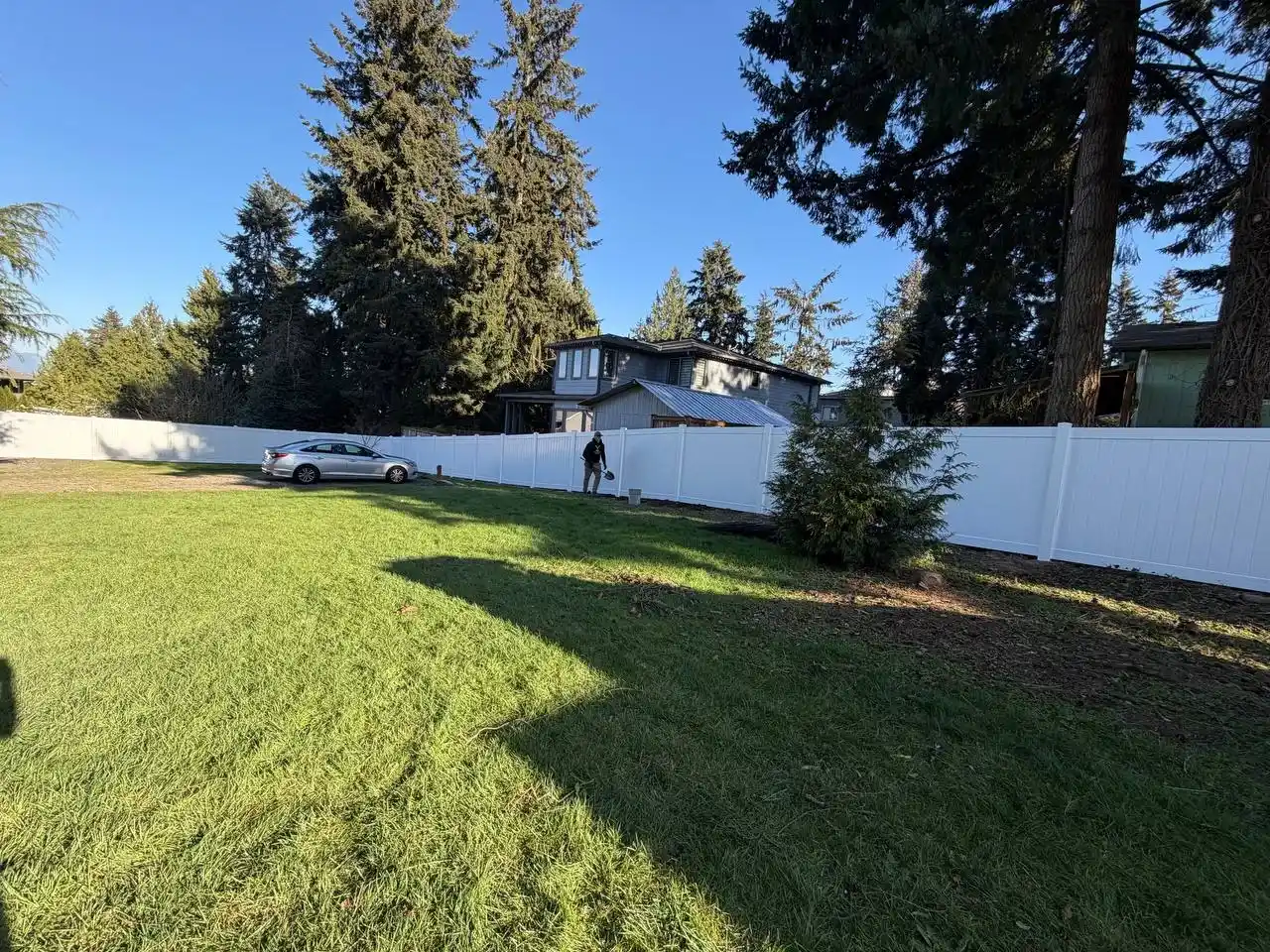
Commercial fencing provides a physical barrier that deters unauthorized access, defines property boundaries, and protects valuable assets from theft or vandalism. In Redmond, WA, high-quality perimeter solutions act as the first line of defense for tech campuses, industrial warehouses, and retail centers. These systems integrate access control technology with durable materials like steel, aluminum, or chain link to reduce liability risks and property damage while ensuring a secure environment for employees and clients.
This guide explores the technical aspects of perimeter security and the regional factors that influence fencing choices. Drawing from extensive field experience in the Pacific Northwest, this information provides property owners with the data needed to make informed security investments.
Deterrence and Physical Access Control
A primary function of commercial fencing is to provide psychological and physical deterrence. When a property appears well-protected, it becomes a less attractive target for opportunistic crime. According to a report from the National Institute of Justice, environmental design that includes physical barriers effectively reduces criminal activity by increasing the perceived effort and risk for intruders.
Height is a critical factor in this deterrence. Most commercial properties in Redmond utilize fences standing at least six to eight feet tall. For higher-risk areas, the addition of anti-climb measures—such as curved top rails or small-mesh patterns—prevents individuals from gaining a foothold.
Bonus Tip: Choosing a dark color for a mesh or picket fence, such as black or bronze, actually improves visibility from the inside out. This helps security personnel or cameras spot movement outside the perimeter more clearly than they could with lighter colors.
Material Durability in the Redmond Climate
The weather in the Pacific Northwest requires specific material considerations to ensure long-term security. Constant moisture can lead to rust in inferior metals or rot in wood structures. For Redmond businesses, galvanized steel and aluminum are standard choices because of their inherent resistance to corrosion.
- Galvanized Steel: This material undergoes a chemical process to apply a protective zinc coating. It offers high impact resistance, making it ideal for high-traffic industrial sites.
- Aluminum: While lighter than steel, aluminum does not rust. It is often used for office parks and retail locations where aesthetics are as important as security.
- Vinyl-Coated Chain Link: This provides an extra layer of protection against the elements while maintaining a professional appearance.
Data provided by the American Galvanizers Association indicates that hot-dip galvanized steel can last for decades even in damp environments, maintaining its structural integrity without the need for frequent repairs.
| Fence Type | Typical Height | Primary Benefit | Maintenance Level |
|---|---|---|---|
| Ornamental Steel | 6ft – 8ft | High strength and visual appeal | Low |
| Chain Link | 6ft – 10ft | Cost-effective and versatile | Medium |
| Welded Wire | 6ft – 8ft | Anti-climb and high visibility | Low |
| Automated Gates | Varies | Controlled vehicle access | High |
Integration with Technology and Access Systems
Fencing alone is a passive security measure. To maximize effectiveness, it must work in tandem with active security components. This includes automated gate operators, keypad entries, and motion sensors.
Commercial properties often use cantilever gates, which slide open without making contact with the ground. This is especially useful in Redmond, where uneven terrain or heavy rainfall might interfere with traditional swing gates. Integrating these gates with cloud-based access logs allows property managers to track every entry and exit in real-time.
Bonus Tip: Ensure that any automated gate system includes a battery backup. In the event of a power outage during a storm, the property remains secure while still allowing authorized personnel to exit safely.
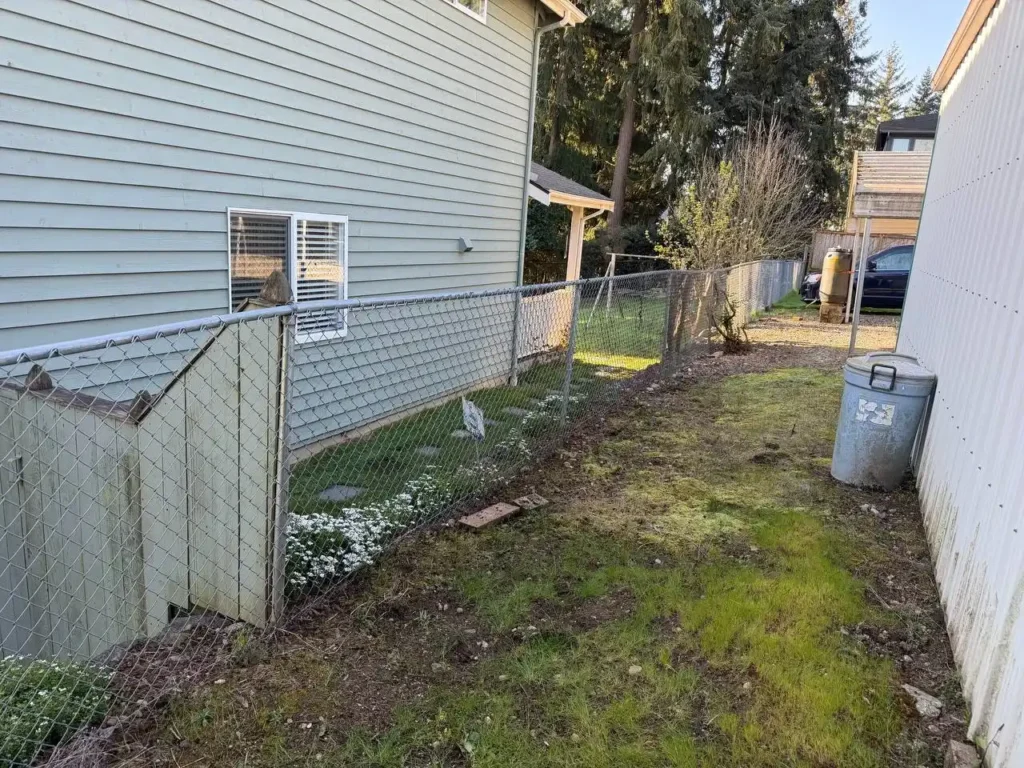
Factors to Consider Before Selecting a Fence
Before installing a perimeter, property owners must evaluate several technical and legal variables. Failure to account for these can lead to security gaps or municipal fines.
- Zoning and Easements: Redmond has specific codes regarding fence height and placement near public right-of-ways. Checking local ordinances ensures the installation is compliant.
- Topography: Sloped land requires “racking” or “stepping” the fence panels. Racking keeps the fence flush to the ground to prevent intruders from crawling underneath, while stepping creates a staircase effect.
- Clearance Zones: Security experts recommend maintaining a “clear zone” on both sides of the fence. Removing dense brush or trees near the perimeter prevents intruders from using them as natural ladders or hiding spots.
- Utility Locations: Calling 811 before digging is mandatory. Striking an underground line can cause service outages for the property and the surrounding neighborhood.
Professional Standards in Commercial Installation
The strength of a fence depends heavily on its foundation. For commercial applications, post depth and concrete quality are non-negotiable. Professionals typically set posts at a depth equal to one-third of the total post height to handle wind loads and physical impacts.
By adhering to these rigorous standards, Monkey Fence ensures that every installation provides maximum resistance against forced entry. The use of high-yield strength steel and industrial-grade hardware guarantees that the barrier remains functional for years.
Property Safety Summary
Effective commercial fencing in Redmond requires a balance of material strength, height, and technological integration. By selecting weather-resistant metals and incorporating automated access, property owners can create a formidable barrier against unauthorized entry. Regular maintenance and adherence to local zoning laws ensure that the investment remains both legal and functional over the long term. Evaluating the specific terrain and security risks of a site is the first step toward creating a safer business environment.
Contact Information
For detailed information regarding perimeter security solutions and technical specifications, contact Monkey Fence. The team can be reached via email at info@monkeyfence.com or by calling (425) 517-2355 to discuss specific property requirements. Whether the goal is to secure a small retail lot or a large industrial complex, Monkey Fence provides the expertise necessary to implement high-standard security barriers throughout the Redmond area.
Frequently Asked Questions
Does fencing increase property value?
While the primary goal is security, a well-maintained commercial fence improves the professional appearance of a site. It signals to potential tenants and customers that the property is managed responsibly, which can positively impact its overall market value.
How often should a commercial fence be inspected?
A thorough inspection should occur twice a year. Owners should check for loose hardware, signs of forced entry, and any erosion around the post bases. Automated gate systems may require more frequent lubrication and sensor testing.
What is the most secure fence for high-risk sites?
Welded wire mesh is often considered the most secure option. The mesh openings are too small for fingers or toes to grip, making it nearly impossible to climb without specialized equipment. It is also difficult to cut with standard hand tools.
Are there eco-friendly commercial fencing options?
Aluminum and steel are highly recyclable. Choosing domestic steel often involves a higher percentage of recycled content, which reduces the environmental footprint of the project.
Sources
- National Institute of Justice – A government agency providing research and reports on crime prevention through environmental design.
- American Galvanizers Association – A non-profit trade association that provides technical data on the durability and corrosion resistance of galvanized steel.
- City of Redmond – Zoning Code – The official municipal resource for local regulations concerning property improvements and fence height restrictions.