
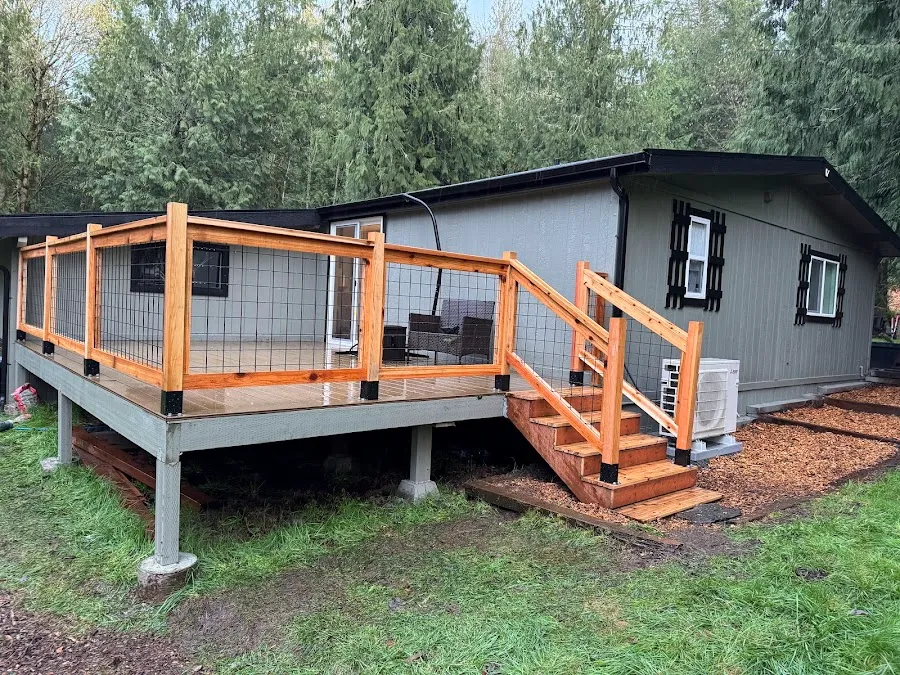
Building a deck can transform your backyard into a space for family gatherings, quiet mornings, or weekend barbecues. But choosing the right material isn’t just about how it looks; it’s about how long it will last and how much it will cost to install and maintain. As someone who has worked with homeowners across King County and Auburn, WA, I’ve seen decks fail because people prioritized style over durability or underestimated long-term costs. Picking the wrong material can turn what should be a fun addition to your home into an ongoing headache.
In this guide, we’ll break down the most common deck materials, focusing on two key factors: durability and cost. I’ll share what you can realistically expect in terms of lifespan, maintenance needs, and installation expenses. By the end, you’ll have the information you need to make an informed decision that balances your budget with a deck that stands up to the Pacific Northwest’s wet winters and sunny summers.
We’ll cover traditional wood fence options like pressure-treated lumber and cedar, composite decking, and PVC materials. You’ll also find a table comparing their key characteristics, along with tips from my hands-on experience helping homeowners choose the right material for their outdoor space.
Understanding Deck Material Options
When it comes to deck materials, durability and cost often pull in opposite directions. Cheaper woods like pressure-treated lumber can get your deck installed quickly and economically, but they require ongoing maintenance to prevent rot and splintering. On the other hand, materials like composite or PVC boards are pricier upfront but need less maintenance and can last decades.
Pressure-treated wood is the most common material for new decks. It’s chemically treated to resist insects and decay, which makes it a solid choice in areas with high moisture, like King County. Cedar and redwood are naturally resistant to decay and have a warm, classic look, but they’re softer and can dent or scratch more easily. Composite decking combines wood fibers with recycled plastic for strength and low maintenance, while PVC decking is fully synthetic and highly resistant to moisture, fading, and stains.For homeowners looking to enhance their outdoor space and security, professional chain link fence installation is a reliable option.
Pro Tip: If your backyard gets a lot of rain or sits in shade most of the day, avoid untreated woods. Even cedar can degrade faster under constant moisture without proper sealing.
Durability and Lifespan of Deck Materials
Durability is about more than just resisting rot. It includes structural strength, resistance to scratches, and how well a material handles changing weather.
Pressure-treated wood typically lasts 15-20 years if maintained properly. This includes regular sealing, cleaning, and occasional board replacement. Cedar can last 20-25 years with the same level of care, and it holds up better against insects than many softwoods.
Composite decking lasts 25-30 years or more, depending on the quality. It won’t warp or split like wood, but lower-end products may fade or show scratches over time. PVC decking often outperforms composites in harsh weather, lasting 30+ years without sealing or staining.For homeowners budgeting for outdoor improvements, it’s worth reading what affects the cost of a privacy fence installation to better understand factors that influence long-term investment in outdoor projects.
Pro Tip: Inspect decks annually for loose boards, cracks, or mold buildup. Even durable composites can degrade at the edges if water pools consistently.
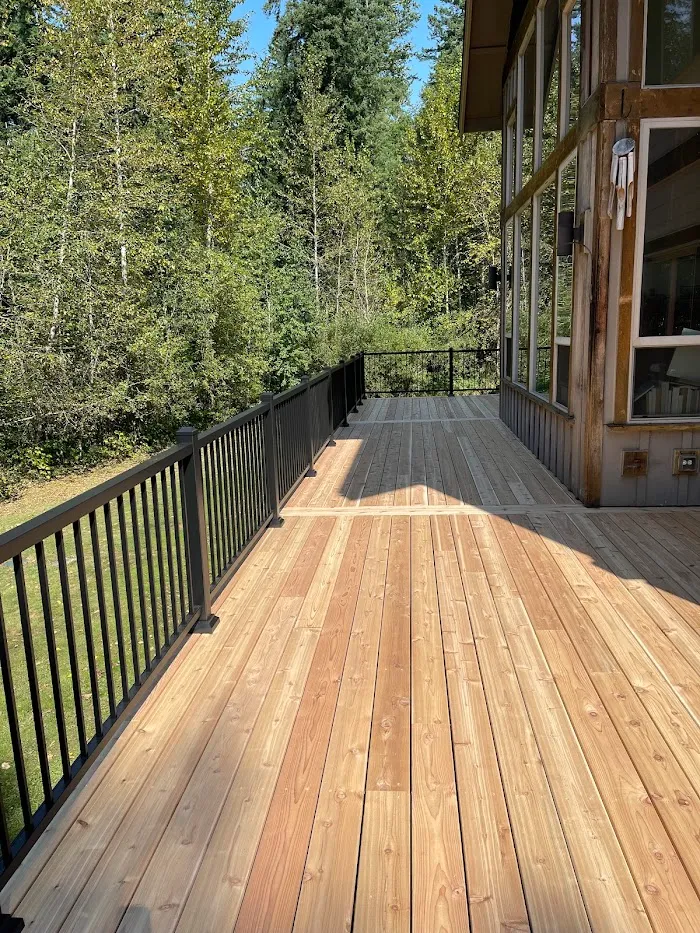
Comparing Cost Factors
Cost is always a major consideration for homeowners. Upfront price isn’t the whole story—long-term maintenance can add hundreds or even thousands over a deck’s lifetime.
Pressure-treated wood is the least expensive upfront. Materials are cheap, and most local contractors are experienced installing it. However, annual maintenance with sealants and occasional board replacement adds up. Cedar and redwood are more expensive, both in materials and labor, and they also need yearly sealing to keep them looking their best.
Composite and PVC decks have a higher initial cost, often 2-3 times that of pressure-treated wood. Labor costs can also be slightly higher since some materials require specialized fasteners or installation methods. Over time, though, these materials usually cost less to maintain, making them a good long-term investment.
| Material | Average Lifespan | Maintenance Needs | Initial Cost | Durability Notes |
|---|---|---|---|---|
| Pressure-treated wood | 15-20 years | Annual sealing & inspections | Low | Prone to splintering, rot without upkeep |
| Cedar | 20-25 years | Annual sealing & cleaning | Medium | Soft wood, can dent or scratch |
| Composite | 25-30 years | Occasional cleaning | High | Resistant to warping, minor fading |
| PVC | 30+ years | Occasional cleaning | High | Fully synthetic, highly weather-resistant |
Pre-Decision Considerations for Your Deck
Before choosing a material, consider your backyard’s climate, how often you use your deck, and your willingness to maintain it. In Auburn and greater King County, moisture is a big factor. Decks in shaded areas or near trees will face faster mold growth and decay, so investing in durable, low-maintenance materials often pays off.
If you plan to host a lot of gatherings, durability against scratches and heavy furniture should be a priority. If your budget is tight, pressure-treated wood is a solid starting point, but factor in future sealing and replacement costs. For long-term peace of mind, high-quality composites or PVC boards reduce hassle, especially if you want a deck that looks great year-round with minimal upkeep.
Pro Tip: Always check with your local building codes or homeowners’ association rules. Some communities have restrictions on deck height, railing types, or materials.
Making the Right Choice for Your Deck
Choosing the right deck material comes down to balancing cost, maintenance, and durability. If you want a deck that lasts decades with minimal upkeep, composite or PVC boards are a strong choice. If you’re working on a tighter budget and don’t mind regular maintenance, pressure-treated wood or cedar can still create a beautiful, functional space.
For homeowners in Auburn, WA,Monkey Fence can help you evaluate your options, design a deck suited to your backyard, and ensure proper installation for long-lasting results. You can reach them at (425) 517-2355 or info@monkeyfence.com for expert guidance tailored to King County conditions.
Key Questions Homeowners Ask
How long will my deck last with different materials?
Pressure-treated wood lasts 15-20 years, cedar around 20-25 years, composites 25-30 years, and PVC can exceed 30 years. Proper maintenance can extend these lifespans.
Which material requires the least maintenance?
PVC requires almost no maintenance besides occasional cleaning. Composite boards also need minimal upkeep, while pressure-treated wood and cedar demand yearly sealing.
Is composite or PVC worth the higher upfront cost?
Yes, if you want low-maintenance durability. Over 10-20 years, these materials often cost less in maintenance and repairs than cheaper woods.
How do I know which material is best for my climate?
Consider moisture, sun exposure, and temperature changes. In rainy areas like Auburn, moisture-resistant options like composite or PVC tend to outperform wood in the long run.