
Introduction
Choosing a wood fence is not just about picking a material. The style you choose affects privacy, curb appeal, maintenance, and how well the fence fits your property. Many homeowners assume all wood fences serve the same purpose, but the style makes a significant difference in how the fence looks and functions over time.
If you live in an area like King County, WA, where homes vary widely in layout and climate conditions play a role, selecting the right wood fence style is especially important. A fence that looks great in one yard may feel out of place or underperform in another.
With experience helping homeowners plan and install wood fencing, I have seen that the best results come from matching fence style to real needs, not trends. This guide walks you through how to choose a wood fence style that fits your home, your lifestyle, and your long-term expectations.
Start With the Purpose of Your Fence
The first question to ask yourself is simple: what do you want the fence to do?
If privacy is your main goal, you will want a solid or near-solid design that blocks sightlines from neighbors and streets. If you are more concerned with defining boundaries or adding visual appeal, a more open style may work better.
Some homeowners need a balance of both. For example, backyard fencing may require full privacy, while a front yard fence may focus more on appearance. Clarifying this upfront helps narrow your options quickly.
Understanding Common Wood Fence Styles
Wood fence styles vary in how boards are arranged and how much visibility they allow.
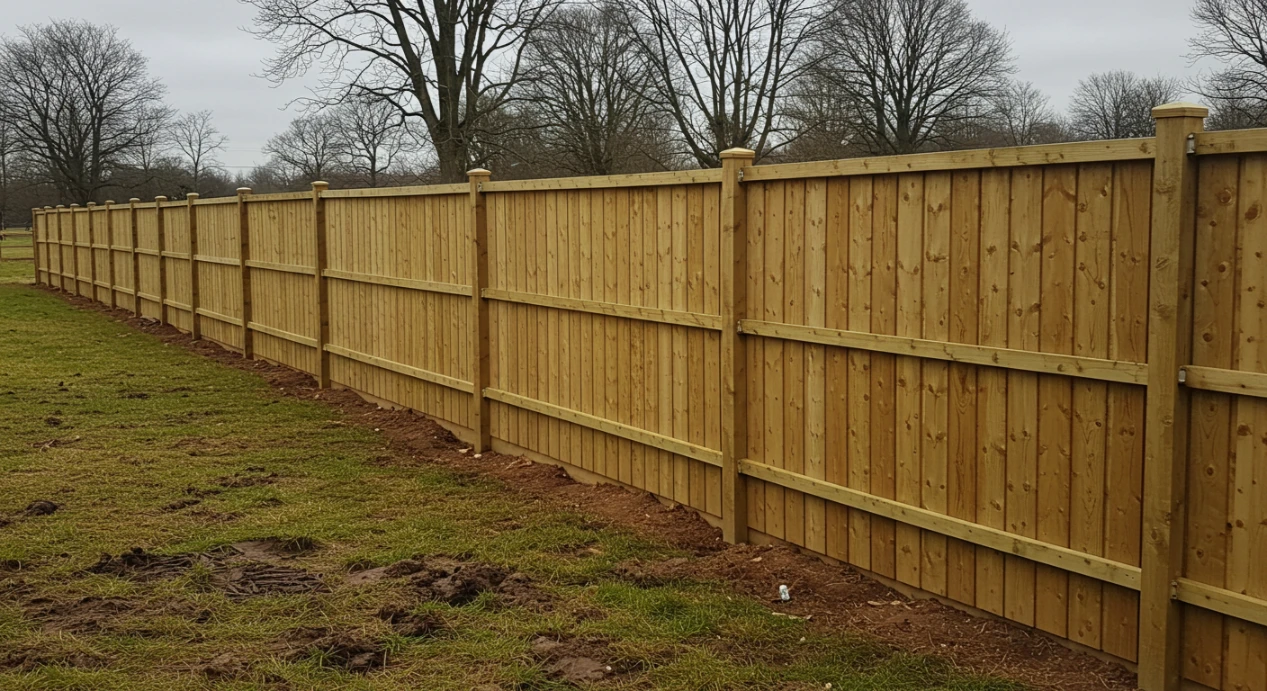
A solid panel fence places boards tightly together, creating maximum privacy. This style is common in backyards and along property lines where seclusion matters.
A shadowbox fence alternates boards on each side of the rails. It offers privacy while allowing airflow and looks the same from both sides, which is often appreciated between neighbors.
Picket fencing uses spaced vertical boards and is more decorative than private. It works well in front yards where visibility and charm are more important than seclusion.
Horizontal wood fencing uses boards installed sideways for a modern look. It provides privacy but requires careful installation to prevent sagging over time.
Each style serves a different purpose, so appearance should always be weighed against function.
Privacy, Airflow, and Light Considerations
Privacy does not always mean completely blocking everything. Solid fences provide the most coverage but can reduce airflow and light, which may affect plants or create damp areas.
Styles like shadowbox fencing allow air to pass through while still limiting direct views. This can be beneficial in wet climates, where airflow helps wood dry out after rain.
If your yard feels enclosed or shaded already, choosing a style that allows some light through may improve comfort.
Pro Tip: Walk your yard at different times of day and notice sunlight and wind patterns. These details help determine whether a fully solid fence is the best option.
Choosing the Right Wood Type for the Style
Not all wood performs the same, and some styles demand better materials.
Cedar is a popular choice in the Pacific Northwest because it resists moisture and insects naturally. It works well for most styles, especially privacy fencing.
Pressure-treated pine costs less but may require more maintenance. It is often used for posts and structural components, even when cedar boards are used for visibility.
More intricate styles, like horizontal fencing, benefit from higher-quality wood to reduce warping and movement over time.
Matching wood type to fence style improves both appearance and lifespan.
When selecting a wood fence style, it’s important to consider durability, safety, and environmental impact. The U.S. Environmental Protection Agency (EPA) provides trusted guidance on pressure-treated wood and safe outdoor material use, helping homeowners make informed, responsible choices.
Maintenance Expectations by Fence Style
Different styles require different levels of upkeep.
Solid panel fences may trap moisture and debris, especially near the ground. Regular inspections and occasional cleaning help prevent rot.
Shadowbox and picket fences allow better airflow, which can reduce moisture issues but still need staining or sealing every few years.
Horizontal fences tend to show wear faster if not maintained properly. Boards can sag or shift if moisture protection is neglected.
Pro Tip: If you prefer minimal maintenance, choose a style that promotes airflow and uses durable wood like cedar.
Matching Fence Style to Home Architecture
A fence should complement your home, not compete with it.
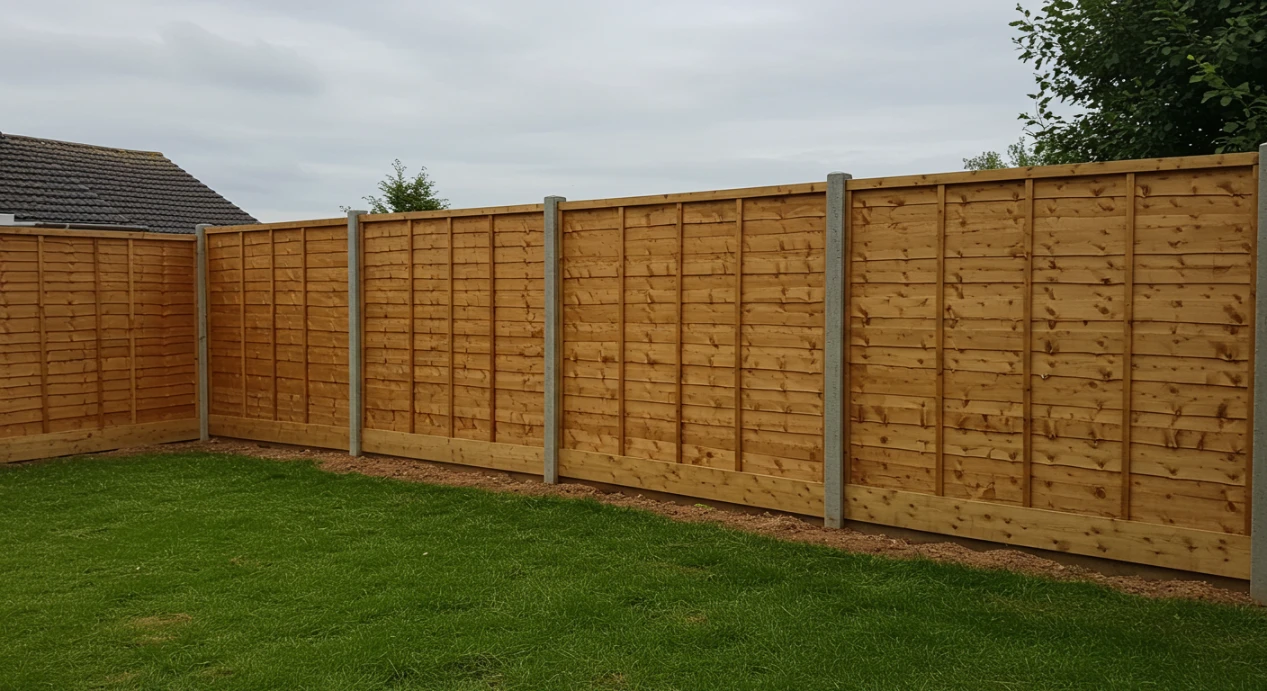
Traditional homes often pair well with vertical board or picket fencing. Modern homes usually look best with clean-lined horizontal designs.
Rustic or craftsman-style homes often benefit from natural wood finishes and classic privacy styles.
Taking cues from your home’s architecture helps the fence feel like a natural extension of the property.
Neighborhood and Local Considerations
In many parts of King County, neighborhood expectations and local regulations influence fence style. Some areas limit fence height or require certain designs in front yards.
Homeowners associations may also have rules about style, spacing, or color. Ignoring these guidelines can lead to costly changes later.
Checking local requirements early saves time and frustration.
Comparing Wood Fence Styles at a Glance
| Fence Style | Privacy Level | Maintenance | Best Use |
|---|---|---|---|
| Solid Panel | High | Moderate | Backyards, property lines |
| Shadowbox | Medium to High | Moderate | Shared boundaries |
| Picket | Low | Low to Moderate | Front yards |
| Horizontal | High | Moderate to High | Modern designs |
Common Mistakes Homeowners Make
One common mistake is choosing a style based only on appearance without considering function. A fence that looks great may not provide the privacy or durability you expect.
Another mistake is underestimating maintenance. Wood fencing requires care, and some styles need more attention than others.
Finally, some homeowners fail to consider how the fence looks from both sides, which can affect neighbor relationships.
How to Decide What Works for Your Property
Before making a final decision, think about how you use your outdoor space now and how you may use it in the future. Children, pets, and landscaping plans all affect which style works best.
Also consider how long you plan to stay in your home. A long-term residence may justify investing in a higher-quality style that offers comfort and durability.
Conclusion
Picking the right wood fence style means balancing privacy, appearance, maintenance, and how the fence fits your home and neighborhood. When chosen thoughtfully, a wood fence adds comfort, value, and long-term enjoyment to your property.
If you need help selecting a wood fence style that fits your property in King County, WA, local experience matters. Monkey Fence works with homeowners to evaluate real-world conditions and recommend practical, long-lasting fencing solutions. For guidance or questions, you can reach out at info@monkeyfence.com or call (425) 517-2355 for straightforward, helpful advice.
Key Questions Homeowners Ask
Which wood fence style offers the most privacy?
Solid panel and horizontal fences provide the highest level of privacy.
Is shadowbox fencing a good compromise?
Yes. It balances privacy, airflow, and appearance, especially between neighboring properties.
Do horizontal fences last as long?
They can, but they require quality materials and proper maintenance to prevent sagging.
Can I mix fence styles on one property?
Yes. Many homeowners use different styles for front and back yards to meet different needs.