
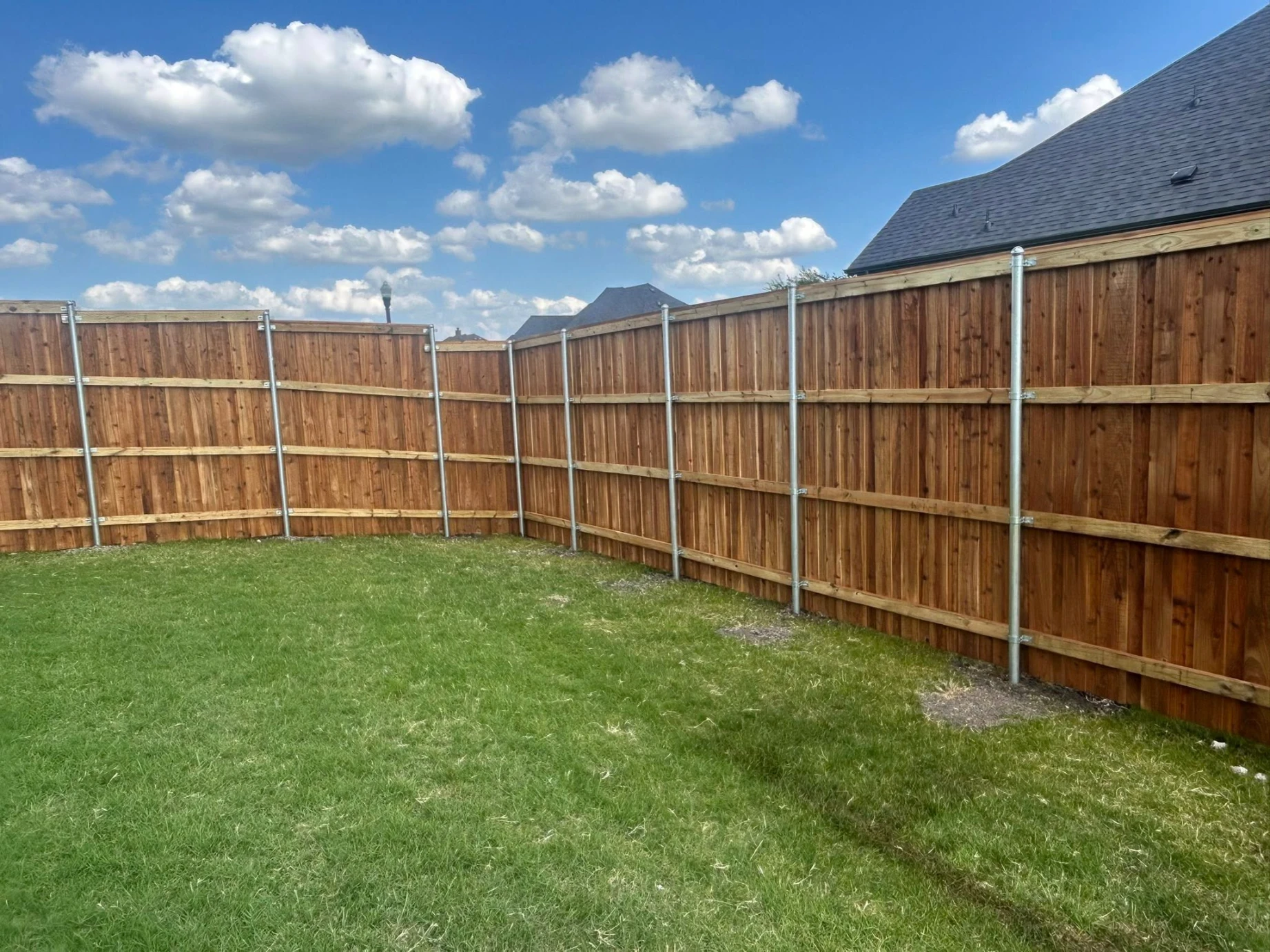
Planning a successful fence installation requires precise steps. You must define your property boundaries, pick appropriate materials, check local building regulations, and map out underground utility lines before digging.
This preparation protects your investment and ensures your project runs smoothly. Drawing from our years of hands-on installation experience, we at Monkey Fence created this comprehensive guide to help you build a durable barrier.
Key Factors to Evaluate Before You Make a Decision
Defining the main purpose of your barrier helps you select the correct design and height. Property owners often want to keep pets secure, block street noise, or increase privacy.
You also need to consider how your land’s contours affect the installation. Sloped yards require specialized building methods, such as stepping or racking panels, to avoid large gaps at ground level.
These architectural decisions directly influence your total project costs, but they also secure your property’s equity. According to research from Angi, a new fence can return roughly 50% of its initial cost in property value. Making a smart choice early on protects this return on investment.
5 Steps to Map Your Fencing Layout and Material Specs
1. Identify Your Property Boundaries and Layout
Building on your neighbor’s land causes expensive legal issues. Use a professional land survey to locate the exact property pins before marking your fence line.
Once you find the pins, measure six inches inward to establish your offset line, then drive wooden stakes into the ground at the corners. Stretch a bright nylon string between these offset stakes to visualize where the panels will stand.
Bonus Tip: Keeping your fence line about six inches inside your property boundary provides a safe buffer. This small buffer prevents disputes if neighbors decide to change their landscaping later.
2. Choose the Best Material for Your Property Needs
Different materials offer varying levels of durability, cost, and maintenance. Your selection affects both the long-term look of your yard and the time you must spend on upkeep.
Wood offers a traditional look but requires regular staining. Vinyl fence and metal cost more upfront but demand very little attention over their lifespans.
Here is a comparison of common options to help you choose:
| Material Type | Lifespan | Average Cost per Foot | Maintenance Level |
|---|---|---|---|
| Wood | 10 to 15 years | $15 to $35 | High |
| Vinyl | 20 to 30 years | $30 to $60 | Low |
| Metal | 30 to 50 years | $40 to $90 | Low |
| Chain Link | 15 to 20 years | $15 to $30 | Low |
Data compiled from national building cost averages published by HomeAdvisor shows that wood remains the most popular choice despite the wood fence maintenance needs.
3. Review Zoning Laws and HOA Rules
Many cities limit fence heights to six feet in backyards and four feet in front yards. You may also face strict rules regarding which side of the fence must face outward.
Homeowner associations often have even tighter rules. They may dictate acceptable materials, colors, and even the distance your fence must sit from the sidewalk.
Bonus Tip: Always face the smooth, finished side of your fence toward your neighbor’s yard. Many local codes require this, and it maintains friendly neighbor relations.
4. Locate and Mark Underground Utilities
Digging without knowing what lies underground is highly dangerous. You could strike gas, water, or electrical lines, leading to expensive repairs and potential injuries.
Call your local utility locator service by dialing 811 several days before you dig. Representatives will visit your property to mark the exact locations of buried lines with colored paint.
Our field crew at Monkey Fence always waits for official utility clearance before breaking ground on any property. This simple step keeps everyone safe and keeps your utility services active.
5. Calculate Your Budget and Project Costs
A realistic budget must go beyond the cost of the basic panels. You need to account for concrete mix, posts, gate hardware, permit fees, and tools.
According to national market statistics from Angi, the typical cost to install a fence ranges from $1,858 to $4,837. If your budget is tight, consider installing simpler styles like chain link fence.
Bonus Tip: Buy 10% more material than your initial measurements suggest. This extra cushion covers mistakes, damaged pieces, and awkward angles.
Why Do Professional Installations Outlast DIY Projects
Setting posts to the correct depth is difficult without professional tools. Standard posts must sit below the local frost line to prevent shifting during winter.
Experienced installers know how to anchor gate posts so they do not sag under the constant weight of the gate. They also have access to high-grade commercial fasteners.
Professional crews handle heavy digging and clean up the dirt afterward. This saves you hours of physical labor and guarantees a clean, level finished product.
Preparing Your Yard for Construction Day
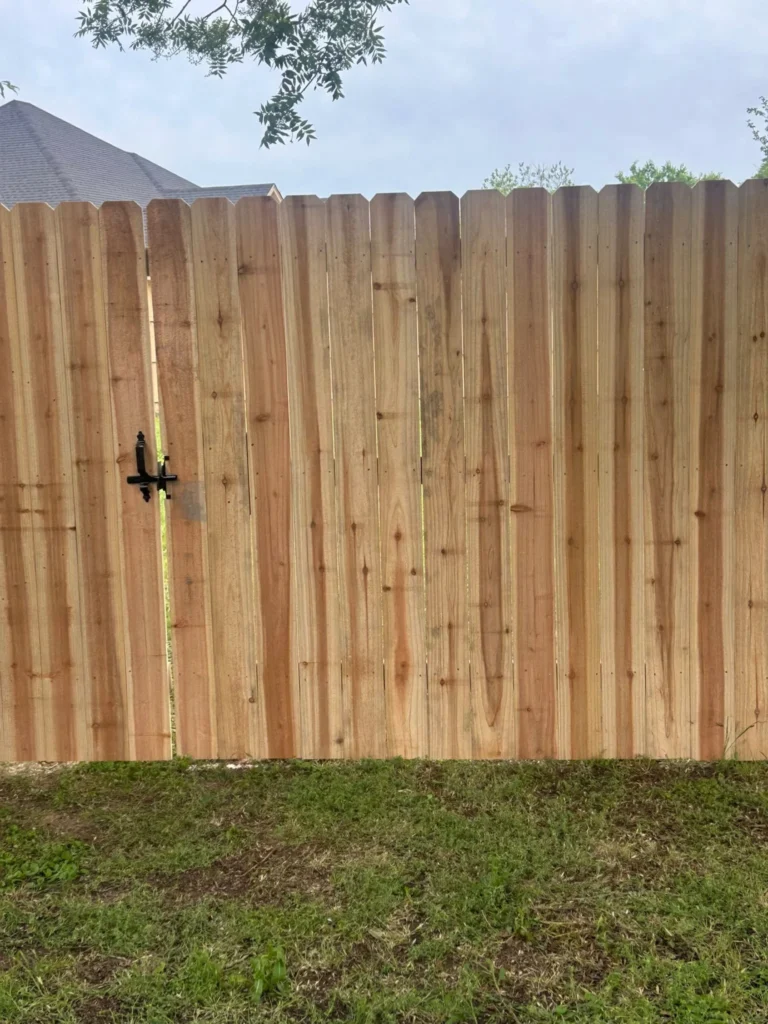
Clear away large rocks, low-hanging tree branches, and heavy brush along your marked fence line. This gives the installation crew room to work safely and quickly.
Talk to your neighbors about your plans before work starts. Let them know when workers will be in the yard, especially if you share a property line.
Keep your pets indoors during the entire building process. Open gates and heavy machinery can pose major safety hazards for curious dogs and cats.
Choosing the Best Path Forward
Planning your fence requires careful preparation, clear budgeting, and attention to local rules. By measuring your yard and selecting the right materials early, you ensure a long-lasting boundary. Evaluate your time, budget, and physical ability to decide whether to tackle this project yourself or hire professionals.
Need Professional Help with Your Next Fencing Project?
We are ready to build the perfect boundary for your property. Contact Monkey Fence today at (425) 517-2355 or email us at info@monkeyfence.com to schedule your consultation. We will provide a free quote and help you design a beautiful, lasting fence that meets all local standards.
Frequently Asked Questions
Do I need a permit to install a new fence?
Yes, most cities require a building permit for fences over six feet. Check with your local building department to verify your area’s specific rules.
How deep should my fence posts go?
Fence posts must go down at least one-third of their total height. In cold climates, posts must extend below the local frost line to prevent shifting.
How do I handle a sloped property?
You can use the stepping method for sloped yards. This creates step-like levels down the hill, or you can use racking to let the rails follow the ground contour.
What is the most durable fencing material?
Metal fencing is the most durable option. High-quality aluminum and steel can easily last up to 50 years with very little maintenance.
Who pays for a shared boundary fence?
Usually, neighbors split the cost of a shared boundary fence. It is best to discuss the project and agree on costs before buying any materials.