
Introduction
Building a deck is one of the most rewarding home improvement projects you can tackle. It creates an outdoor living space where you can entertain, relax, and enjoy your backyard. But before you even pick up a hammer, one of the biggest decisions you’ll face is choosing the right material. The material you select affects your deck’s durability, maintenance, appearance, and long-term cost.
In my years helping homeowners in Auburn and King County, WA, I’ve seen decks that last decades and others that fall apart in just a few years. The difference often comes down to choosing the right material for your climate, lifestyle, and budget. This guide will walk you through the most popular options, their pros and cons, and key factors to consider so you can make an informed decision.
By the end, you’ll understand the differences between wood, composite, and other materials, and you’ll have practical tips for picking the one that fits your needs. You’ll also get insights on cost considerations and maintenance requirements, so there are no surprises down the road.
Wood Decking Options
Wood has been the classic choice for decks for decades. It offers a natural look and feels warm underfoot. However, not all wood is created equal, and understanding the types can save you frustration.
This is the most common and budget-friendly wood Fence Installation. Pressure-treated boards are chemically treated to resist rot, decay, and insects. They work well in wet climates like the Pacific Northwest, but they can warp or crack over time. Staining or sealing every few years helps prolong their life.
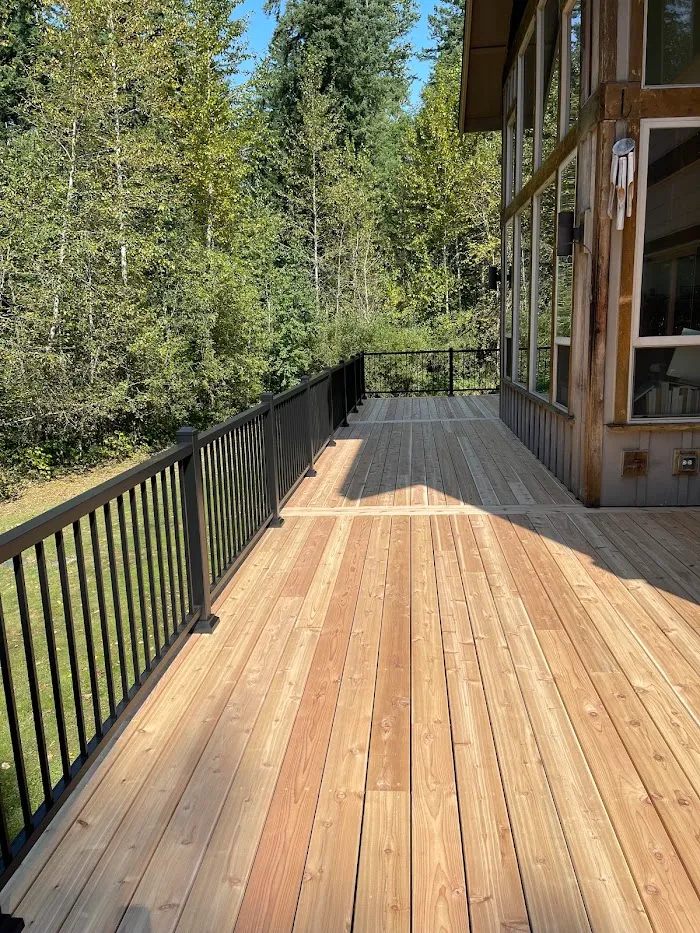
These species are naturally resistant to rot and insects, making them ideal for areas that see a lot of rain or humidity. Cedar and redwood age to a beautiful silver-gray if left untreated, giving a deck a classic look. They cost more than pressure-treated lumber but require less chemical treatment.
Ipe, teak, and mahogany are dense, long-lasting woods that can last 25-50 years with minimal maintenance. They resist scratches, mold, and rot, but are heavy and more challenging to work with. These woods are often the choice for homeowners who want a premium, high-end deck. For more detailed information about these woods, you can check on Wikipedia.
Pro Tip: When choosing wood, inspect boards for knots, cracks, and warping. Even high-quality wood can have weak spots that reduce its lifespan.
Composite and Synthetic Materials
Composite decking has surged in popularity over the last decade. It combines wood fibers with recycled plastic, giving you the look of wood without the intensive upkeep.
Composite boards resist rot, splintering, and insect damage. Unlike natural wood, they don’t need staining or sealing, and occasional washing keeps them looking fresh low-maintenance vinyl fencing. Some premium brands even offer fade-resistant finishes, which are perfect for decks exposed to lots of sun.
Composite decks come in various colors, textures, and finishes. Some boards mimic the grain of natural wood closely, making them almost indistinguishable from real timber. This versatility allows you to match your deck with your home’s style effortlessly.
Because many composites use recycled materials, they can be more environmentally friendly than traditional lumber. However, they aren’t biodegradable, so consider their long-term lifecycle.
Pro Tip: Choose a composite brand that offers a warranty covering fading and staining. In my experience, cheaper composites can discolor in just a few years.
Aluminum and PVC Decking
For homeowners looking for something truly low-maintenance, metal and PVC decks are worth considering.
Aluminum is lightweight, strong, and completely resistant to rot and insect damage. It’s often used in modern deck designs and can support longer spans without extra support posts. Aluminum decks can be more expensive initially, but often last a lifetime.
100% PVC boards are plastic and don’t contain wood fibers. They’re impervious to moisture, insects, and fading. They’re extremely low-maintenance, just occasional washing, and are available in a wide range of colors. However, they can feel hotter underfoot in summer compared with wood or composite choosing between different fencing and decking options.
Pro Tip: In rainy areas like Auburn, WA, PVC or aluminum decks can reduce the risk of mold and slippery surfaces during wet months.
Material Comparison Table
| Material | Lifespan | Maintenance | Cost Range | Appearance/Style | Pros | Cons |
|---|---|---|---|---|---|---|
| Pressure-Treated Wood | 10–20 years | Moderate | Low | Natural wood | Budget-friendly, widely available | Can warp, needs sealing |
| Cedar/Redwood | 15–25 years | Low–Moderate | Medium | Natural wood ages gracefully | Rot/insect-resistant, aesthetic | Higher upfront cost |
| Exotic Hardwoods | 25–50 years | Low | High | Rich, natural wood | Very durable, long lifespan | Expensive, heavy |
| Composite | 20–30 years | Low | Medium–High | Wood-like, many colors | Low maintenance, rot/insect-resistant | Can fade, pricier than wood |
| PVC | 25–40 years | Very low | High | Smooth, modern colors | No rot, low-maintenance | Can be hot underfoot, plastic feel |
| Aluminum | 50+ years | Very low | High | Sleek, modern | Extremely durable, lightweight | Limited natural wood look |
Pre-Decision Considerations for Your Deck
Before you pick a material, ask yourself a few key questions:
- How much time can you spend on maintenance? Wood may look great, but it requires regular sealing Monkey Fence and staining. Composite, PVC, or aluminum can reduce ongoing work.
- What’s your budget? Wood is cheaper upfront, while exotic hardwoods, composites, and metals carry a higher initial cost but often last longer.
- What climate challenges will your deck face? In wet, rainy areas like Auburn, rot-resistant materials are crucial. Sun-heavy spaces benefit from fade-resistant composites or PVC.
- How important is appearance? If you want a natural wood look, composites or high-end hardwoods may be your best bet. If you prefer a modern, sleek style, aluminum or PVC might work better.
Choosing the Right Deck Material for Long-Lasting Outdoor Living in Auburn & King County
Custom decks are an investment, and choosing the right material is crucial. Whether you lean toward the classic warmth of wood, the low maintenance of composites, or the durability of aluminum, understanding your options helps you build a deck that lasts and looks great. For homeowners in Auburn or King County, working with local experts like Monkey Fence (425-517-2355 | info@monkeyfence.com ensures your deck is built to handle the regional climate while meeting your lifestyle needs.
Key Questions Homeowners Ask
Which material lasts the longest for a custom deck?
Aluminum decks typically last a lifetime with minimal maintenance. Exotic hardwoods follow closely, often reaching 30–50 years. Composites and PVC last 20–40 years, depending on quality. Regular maintenance can extend the wood deck’s lifespan significantly.
What is the easiest deck material to maintain?
PVC and aluminum decks require almost no maintenance aside from occasional cleaning. Composite boards need a light wash and rarely need sealing. Wood decks are the most labor-intensive, requiring staining, sealing, and inspection for rot.
Can I mix materials in one deck?
Yes, it’s common to combine materials for functionality and aesthetics. For example, pressure-treated wood joists with composite decking boards reduce long-term maintenance while keeping costs manageable. Just make sure the materials are compatible in terms of expansion and contraction.
How does the climate in King County affect my choice?
Heavy rainfall and humidity favor rot-resistant materials like cedar, redwood, composites, PVC, or aluminum. Avoid untreated wood. For decks in sun-exposed areas, pick materials that resist fading and heat buildup.