
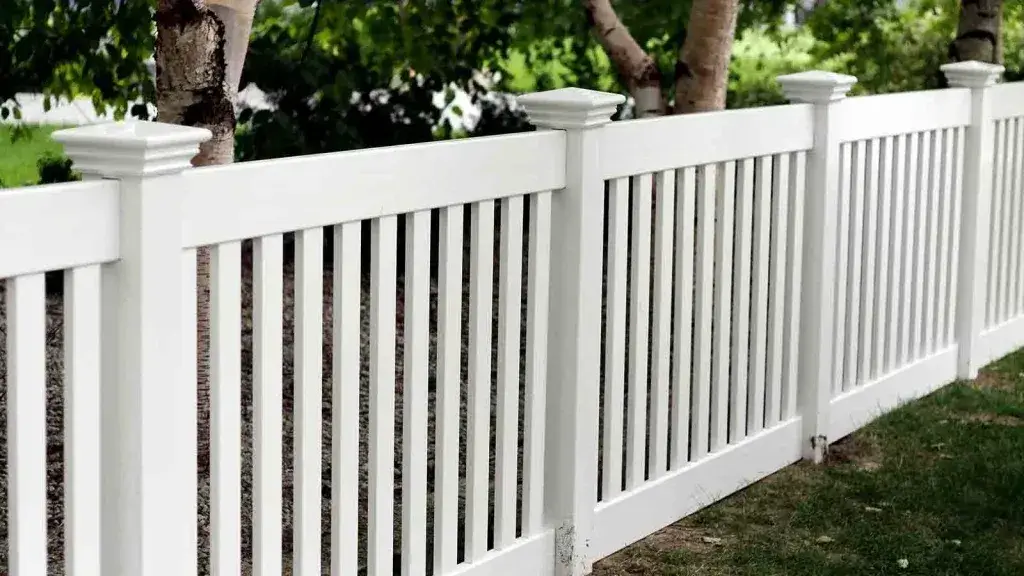
Vinyl fencing is the premier choice for low-maintenance property boundaries because it never requires staining, painting, or sanding. This material resists moisture, rot, and wood-boring insects, allowing it to maintain its structural integrity for decades without chemical treatments. While other materials degrade when exposed to the elements, vinyl retains its color and strength with minimal homeowner effort.
Monkey Fence has spent years installing and repairing various types of enclosures, and we consistently see vinyl outlast traditional alternatives. Our experience shows that homeowners who choose vinyl spend significantly less time and money on upkeep over the product’s lifespan. This article provides a detailed look at why this material is a superior option for those who value their time and want a lasting solution.
Resistance to environmental damage
The primary reason vinyl excels is its chemical composition. Unlike wood, which is organic and porous, vinyl is made from polyvinyl chloride (PVC). This synthetic nature means it does not absorb water. When wood gets wet, it expands, and when it dries, it contracts. This cycle leads to warping, cracking, and eventual decay.
Vinyl remains completely unaffected by rain, snow, or high humidity. Similarly, it will not rust like chain link or wrought iron when protective coatings wear thin. According to a market analysis by Grand View Research, demand for vinyl fencing is growing as consumers increasingly prioritize durability and weather resistance in building materials.
Sun exposure is another area where vinyl proves its worth. Modern vinyl contains titanium dioxide, which acts as a sunscreen for the fence. This additive prevents the material from becoming brittle or fading under intense UV rays. You will not have to worry about the color peeling or bubbling, which are common problems with painted wood or metal surfaces.
Comparison of common fencing materials
| Feature | Vinyl | Wood | Ornamental Iron |
|---|---|---|---|
| Annual Cleaning | Light Rinse | Power Wash | Light Wipe |
| Painting/Staining | Never | Every 2-3 Years | Every 5-7 Years |
| Rot Resistance | Total | Low | High |
| Pest Resistance | Total | Low | Total |
| Average Lifespan | 20-30+ Years | 10-15 Years | 20-25 Years |
Why is vinyl the superior choice for busy people?
Most residential and commercial owners want a yard they can enjoy rather than a list of chores to complete every weekend. Wood fences require a cycle of scraping, priming, and painting that repeats every few years. If you miss a cycle, the wood begins to gray and rot. Vinyl removes this entire workflow from your schedule.
The cleaning process for vinyl is incredibly simple. Usually, a quick spray with a garden hose is enough to remove dust or grass clippings. If a stubborn spot of dirt or mildew appears, a bucket of soapy water and a soft cloth will resolve the issue in minutes. You do not need specialized tools or expensive chemical cleaners to keep the surface looking new.
The Spruce notes that ease of cleaning is a major selling point for families and pet owners who frequently deal with mud and outdoor messes. Because the surface is non-porous, stains do not soak into the material, making permanent discoloration much less likely.
Long-term cost efficiency of synthetic materials
While the initial purchase price of vinyl can be higher than that of pressure-treated wood, the long-term math favors the synthetic option. When you buy a wood fence, you are also committing to the cost of stain, brushes, rollers, and potentially professional labor every couple of years. These recurring expenses add up quickly.
Data from Forbes Home on home improvements indicates that while vinyl has a higher upfront cost, the lack of maintenance makes it pay for itself within a few years. When you factor in the value of your own time, the savings are even more significant.
Bonus Tip: To maximize the lifespan of your installation, ensure the gate hardware is checked once a year. While the panels won’t sag, the metal hinges might need a drop of oil to keep them moving smoothly.
Physical strength and flexibility
Vinyl is surprisingly strong despite its lightweight appearance. It has a high level of flexibility, allowing it to bend slightly under pressure rather than snap. This is particularly useful in regions that experience high winds or heavy snow loads. The panels can give a little and then return to their original shape.
We have found that this flexibility makes vinyl a safer choice for properties with large dogs or active children. There are no splinters to worry about, and no rusted nails will eventually poke through the surface. The fasteners are typically hidden inside the posts or rails, creating a smooth finish that is safe for touch.
Bonus Tip: If you live in an area with extreme wind, we recommend using internal post stiffeners made of aluminum or galvanized steel. This adds extra rigidity to the primary structure without compromising the low-maintenance exterior.
Things to review before selecting your fencing
Before you commit to a specific style or material, there are several practical factors to weigh. Your local environment and property layout will dictate which vinyl product serves you best.
- Local HOA regulations. Some neighborhoods have strict rules about fence height, color, and material. Ensure vinyl is an approved option in your specific community.
- Soil conditions. Heavy clay or sandy soil might require different post-setting techniques. While the vinyl itself is low maintenance, a stable foundation is required to keep it level.
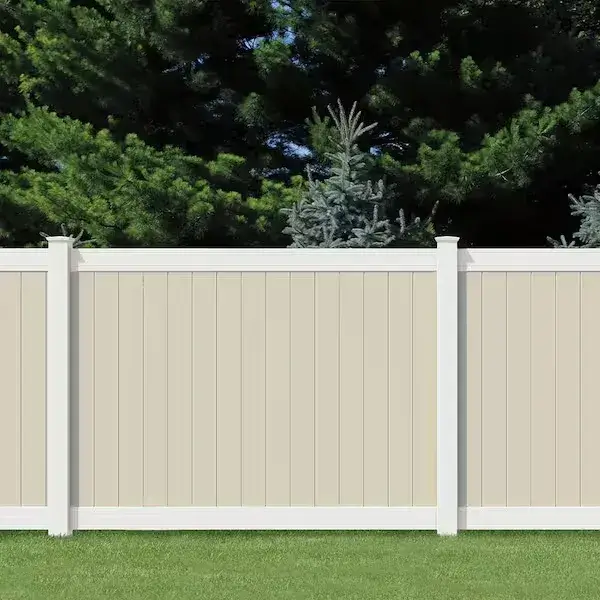
- Aesthetic goals. Vinyl comes in many textures, including options that mimic the look of natural wood grain. Decide if you want a traditional white picket look or a modern dark slate finish.
- Gate placement. Think about where you need access to lawn mowers or trash cans. Since vinyl gates are heavy, they need proper bracing to prevent sagging over time.
Simple steps for maintaining your vinyl installation
Even though vinyl is low-maintenance, a little attention goes a long way. We suggest a quick inspection once a year, preferably in the spring after the winter weather has passed. Check for any loose caps or debris that might have collected in the bottom rails.
If you notice green algae growth in shaded areas, do not panic. This is common in damp climates, but it does not harm the vinyl. A mixture of one part white vinegar to five parts water is an eco-friendly way to wipe it away. Avoid using abrasive scrubbing pads, as these can create tiny scratches that trap dirt later. By performing these simple checks, you ensure your fence remains an asset to your property’s value.
How does vinyl affect property value?
A well-maintained fence is a significant asset when it comes time to sell a home. Potential buyers often view a wood fence as a future project or an added expense. They see the peeling paint or the leaning posts and mentally subtract that from the home’s value.
In contrast, a vinyl fence looks the same during a showing as it did the day it was installed. It conveys that the property is easy to care for. This curb appeal can be a deciding factor for buyers who want a move-in-ready experience without a list of immediate repairs.
Get your project started today
If you want a fence that stays beautiful without the constant work, we are here to help. Our team can guide you through the different styles and colors available to find the perfect match for your home. We offer professional fence installation and can provide a free quote to help you plan your project. Contact us by calling (425) 517-2355 or emailing info@monkeyfence.com to discuss your needs.
Questions you might have
Does vinyl fencing become brittle in the cold?
Quality vinyl is designed to remain flexible even in freezing temperatures. While extreme cold can make any plastic slightly more rigid, modern fencing is engineered with impact modifiers that prevent it from cracking under normal winter conditions.
Can you paint a vinyl fence if you want to change the color?
It is generally not recommended to paint vinyl. The surface is designed to be non-stick, so paint often fails to adhere properly and will peel quickly. It is best to choose a color you like from the start, as the factory finish is meant to last a lifetime.
Is vinyl fencing environmentally friendly?
Vinyl is a recyclable material, and many manufacturers incorporate recycled content into the inner layers of fence posts. Because it lasts much longer than wood and doesn’t require chemical stains or paints, it reduces the total volume of materials sent to landfills over time.
How does vinyl handle weed whackers?
While vinyl is tough, a heavy-duty weed trimmer line can scuff or mark the bottom of the posts. We recommend using a bit of caution when trimming near the base or installing a small protective sleeve around the bottom of the posts to keep them pristine.
Will a vinyl fence turn yellow over time?
High-quality vinyl contains enough titanium dioxide to prevent yellowing caused by sun exposure. As long as you choose a reputable product, the fence will maintain its original white or tan hue for its entire lifespan.
Sources
- The Spruce – A home improvement resource explaining the practical maintenance and cleaning benefits of vinyl materials.
- Forbes Home – An analysis of the upfront and long-term costs of various fencing types for owners.