
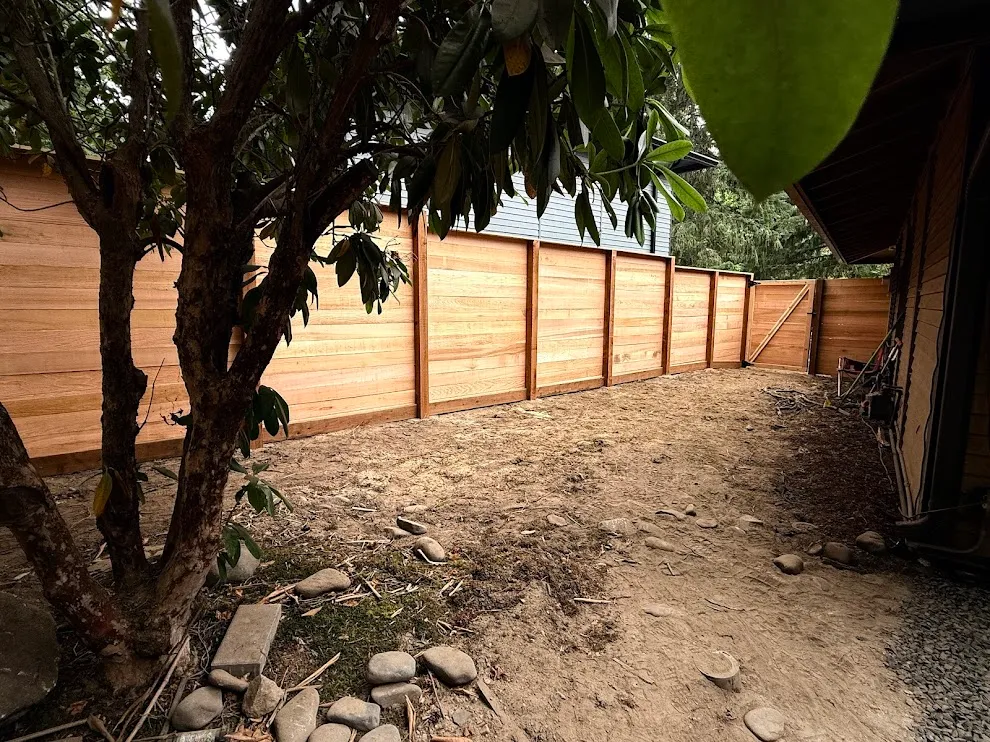
When it comes to choosing a fence for your home, the decision often comes down to two popular options: vinyl and wood. Each material has its own strengths, drawbacks, and costs, and the right choice depends on your priorities. As someone who’s worked with homeowners in Auburn and across King County, WA, I’ve seen how the wrong fence choice can lead to frustration, extra maintenance, or unexpected expenses. Understanding the differences between vinyl and wood will help you make an informed decision for your property, whether you want privacy, curb appeal, or long-term durability.
In this guide, we’ll break down the key differences between vinyl and wood fences. You’ll learn how each performs over time, what maintenance looks like, how they handle local weather, and the real-world costs you can expect. We’ll also cover practical tips for choosing the right style for your yard and answer common questions homeowners ask before investing in a new fence. By the end, you’ll feel confident knowing which material fits your needs, budget, and lifestyle.
Material and Durability Differences
One of the biggest differences between vinyl and wood fences is how they handle wear and tear. Wood fences, typically made from cedar, redwood, or pressure-treated pine, are strong and provide a classic, natural look. Over time, though, wood can warp, crack, or rot if it isn’t properly sealed and maintained. In areas like Auburn, WA, where moisture levels are high, untreated wood can absorb water and become susceptible to mold and mildew.
Vinyl, on the other hand, is made from PVC, a type of plastic that resists moisture, insects, and decay. It won’t warp or rot like wood, which makes it a low-maintenance choice. A well-made vinyl fence can last 20 years or more without needing painting or staining. However, vinyl can crack in extreme cold or become discolored if exposed to harsh UV rays over many years.
In terms of durability, wood can be repaired more easily. If a board is damaged, it can be replaced individually. Vinyl fences are harder to patch seamlessly; a broken panel usually needs to be replaced entirely. This is something to consider if your yard is exposed to frequent impact from children, pets, or lawn equipment.
Pro Tip: For a wood fence in a damp climate like King County, seal the wood annually and inspect posts for rot to extend its lifespan. For vinyl, look for thicker panels or reinforced posts to prevent sagging or cracking over time.
Appearance and Customization Options
Wood fences have a timeless, natural appeal that many homeowners love. You can stain or paint wood to match your home’s exterior, and the variety of styles, from picket to horizontal slats, offers a lot of flexibility. Wood also allows for creative designs like lattice tops or decorative post caps.
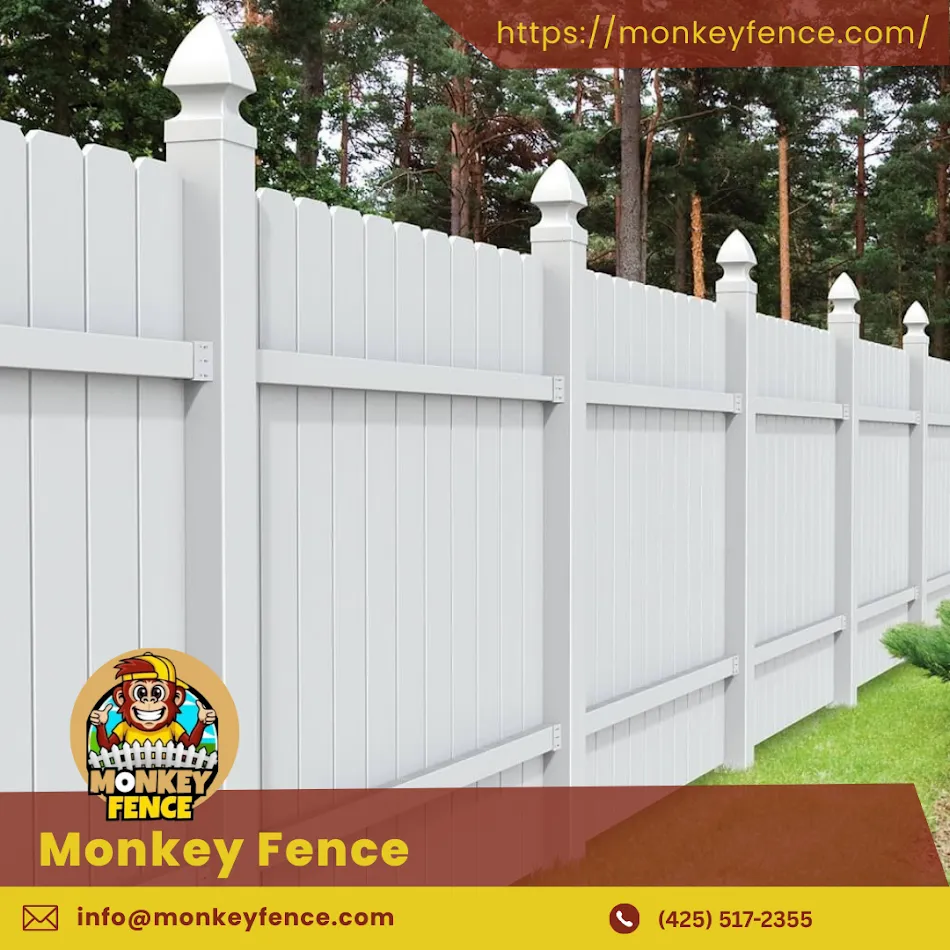
Vinyl fences come in fewer natural-looking options but still offer modern designs and a wide range of colors. While the color is built into the material and won’t fade easily, vinyl generally doesn’t give the warmth and texture of real wood. Some high-end vinyl brands mimic wood grain, but it’s easy to spot the difference up close.
A practical consideration is that wood can be updated over time. If you change your landscaping or want a new color scheme, you can repaint or stain the fence. Vinyl color is permanent, so you need to be sure about your choice before installation.
Pro Tip: If aesthetics are a priority, consider hybrid solutions. For example, use vinyl for durability on exposed sides and wood for decorative sections that face the street or patio.
Maintenance and Longevity
Maintenance is where vinyl really stands out. A simple rinse with a garden hose or occasional soap wash keeps it looking new. You never need to sand, paint, or stain, and you won’t have to worry about termite damage or mold growth. This makes vinyl an ideal choice for homeowners who want a hands-off solution.
Wood fences require more regular upkeep. To prevent rotting, cracking, and fading, you’ll need to stain or seal your fence every 2–3 years. Repairs are more frequent, especially if posts or boards are exposed to wet soil or heavy impact. Cedar and redwood are naturally resistant to rot, but pressure-treated pine will need extra attention.
Vinyl generally lasts longer without intervention. Even though the initial cost is higher, the savings in maintenance over 15–20 years can make it cost-effective. Wood may have a lower upfront cost, but ongoing upkeep adds both time and money over its lifespan.
Cost Factors and Regional Considerations
Upfront costs for wood fences vary widely based on the species, height, and style. Cedar and redwood are pricier, while pressure-treated pine is more budget-friendly. Installation costs are also influenced by terrain; uneven yards may require extra labor to ensure proper post alignment. For a detailed guide on understanding farm fence costs
, farmers and ranchers can see a complete breakdown of materials, labor, and long-term investment.
Vinyl fences usually cost more to install initially, but lower maintenance and longer lifespan offset the difference. In wet climates like Auburn and King County, wood may require more frequent sealing or repair, making vinyl a more predictable long-term investment.
Here’s a simplified comparison table to illustrate key differences:
| Feature | Wood Fence | Vinyl Fence |
|---|---|---|
| Initial Cost | Moderate to high | Higher than wood |
| Maintenance | Annual sealing/staining, repairs | Occasional washing |
| Lifespan | 10–20 years | 20+ years |
| Aesthetic Flexibility | High (stain/paint/custom designs) | Moderate (limited colors/styles) |
| Weather Resistance | Susceptible to rot, mold, warping | Resistant to moisture, UV, pests |
| Repair Ease | Easy to replace boards/posts | Harder to patch, panel replacement |
Pre-Decision Considerations for Your Home
Before deciding, think about your priorities: durability, maintenance, appearance, or cost. If your goal is a low-maintenance, long-lasting fence that resists moisture, vinyl is often the better choice. If you prefer a natural look, enjoy occasional maintenance, and want the flexibility to repaint or stain, wood is ideal.
Also, consider your neighborhood’s style and any HOA rules. Some areas require natural wood aesthetics, while others allow vinyl or composite fences. Finally, think about your yard’s exposure to weather and activity levels. A busy backyard with pets may benefit more from vinyl’s resilience, while a quiet garden space could showcase wood’s charm.
Pro Tip: Take photos of your yard and visualize both materials. Visiting local installations in Auburn can give you a realistic idea of color, texture, and how each material weathers over time.
Finding the Perfect Fence for Your Yard
Choosing the right fence depends on your lifestyle, budget, and aesthetic preferences. If you need professional guidance or installation in Auburn, WA, Monkey Fence can help you assess your yard, recommend the best material, and ensure a proper, long-lasting installation. Reach out at (425) 517-2355 or info@monkeyfence.com to explore options that suit your home and climate.
A fence is more than a boundary, it’s part of your home’s appearance and protection. Understanding the differences between vinyl and wood ensures you make a choice that will look good, last long, and fit your needs.
Common Questions Homeowners Ask
How long does a vinyl fence last compared to wood?
Vinyl fences typically last 20–30 years with minimal maintenance, while wood lasts 10–20 years depending on species and upkeep. Moist climates accelerate wood deterioration, so sealing and regular inspections are key.
Can I paint a vinyl fence if I want a different color?
Vinyl isn’t designed for painting. While it can be painted, adhesion is difficult, and it may peel over time. Choosing your vinyl color upfront is best.
Is wood more cost-effective than vinyl in the long run?
Wood has lower initial costs, but annual maintenance and repairs add up. Vinyl’s higher upfront cost often pays off over time through reduced upkeep, especially in wet climates.
Which fence type is better for privacy and security?
Both wood and vinyl can provide full privacy. Vinyl panels tend to be solid and uniform, reducing gaps over time, while wood may shrink or warp and require more frequent adjustment.