
Introduction
Choosing the right fence for your property often comes down to one key decision: chain link or wood. On the surface, the choice may seem simple. One looks practical and open, while the other offers privacy and a classic appearance. But for many homeowners, especially in King County, WA, the decision is more complex than looks alone.
The right fence depends on how you plan to use your yard, how much privacy you need, and how much maintenance you are willing to handle over time. Cost matters, but so do durability, local regulations, and how the fence fits your neighborhood. Making the wrong choice can lead to frustration, unexpected expenses, or a fence that does not truly meet your needs.
Having worked with homeowners facing this exact decision, I have seen how a little upfront guidance can prevent long-term regret. This article walks you through the most important factors to consider when choosing between chain link and wood fencing, so you can make a confident, informed decision for your home.
Purpose and Function of the Fence
The first thing to consider is why you need a fence in the first place. Different goals point to different materials.
If your main concern is marking property lines, containing pets, or creating a safe play area for children, chain link fencing often does the job efficiently. It provides security without blocking visibility.
Wood fencing is usually chosen when privacy is the top priority. It creates a visual barrier that blocks neighbors, traffic, and noise to some extent. For homeowners who want a quiet, enclosed outdoor space, wood is often the better fit.
Understanding your primary goal helps narrow the choice quickly.
Privacy and Visibility Differences
Privacy is where wood fencing clearly stands out. Solid panels prevent people from seeing into your yard, which is especially valuable in closely spaced neighborhoods common throughout King County.
Chain link fencing offers little to no privacy on its own. While slats or landscaping can improve coverage, they add cost and maintenance. Some homeowners are surprised to learn that by the time privacy upgrades are added, the cost gap narrows.
Pro Tip: If privacy is important now or may become important later, plan for it upfront. Retrofitting privacy features is usually more expensive than building it into the original design.
Choosing between chain link and wood fences involves more than aesthetics, you should also consider cost, durability, and long-term value. Investopedia provide expert insights on how home improvement choices affect your investment.
Cost Considerations Over Time
Chain link fencing generally has a lower upfront cost. Materials are affordable, and installation is straightforward, which keeps labor costs down.
Wood fencing usually costs more initially, especially if you choose higher-quality wood like cedar. However, the value it adds to your daily use of the yard and overall curb appeal can justify the investment for many homeowners.
Long-term costs matter too. Chain link requires very little maintenance. Wood fencing needs periodic staining, sealing, or repairs to protect it from moisture and weather.
Durability in the Pacific Northwest Climate
King County’s climate plays a major role in fence performance. Frequent rain and damp conditions can shorten the lifespan of untreated or poorly maintained wood.
Cedar and pressure-treated wood hold up better in this environment, but they still require care. Without maintenance, wood can warp, rot, or discolor over time.
Chain link fencing handles moisture well and does not rot. Galvanized or vinyl-coated options resist rust and perform reliably in wet climates.
Your willingness to maintain the fence should factor heavily into your decision.
Maintenance and Upkeep Expectations
Chain link fencing is one of the lowest-maintenance options available. Occasional cleaning and checking for loose hardware is usually enough.
Wood fencing demands more attention. Staining or sealing every few years helps preserve its appearance and structure. Individual boards may need replacement after storms or prolonged exposure to moisture.
Some homeowners enjoy maintaining wood fencing. Others prefer a “set it and forget it” solution.
Pro Tip: Be honest with yourself about maintenance. A fence that looks great on day one can become a burden if upkeep is neglected.
Appearance and Neighborhood Fit
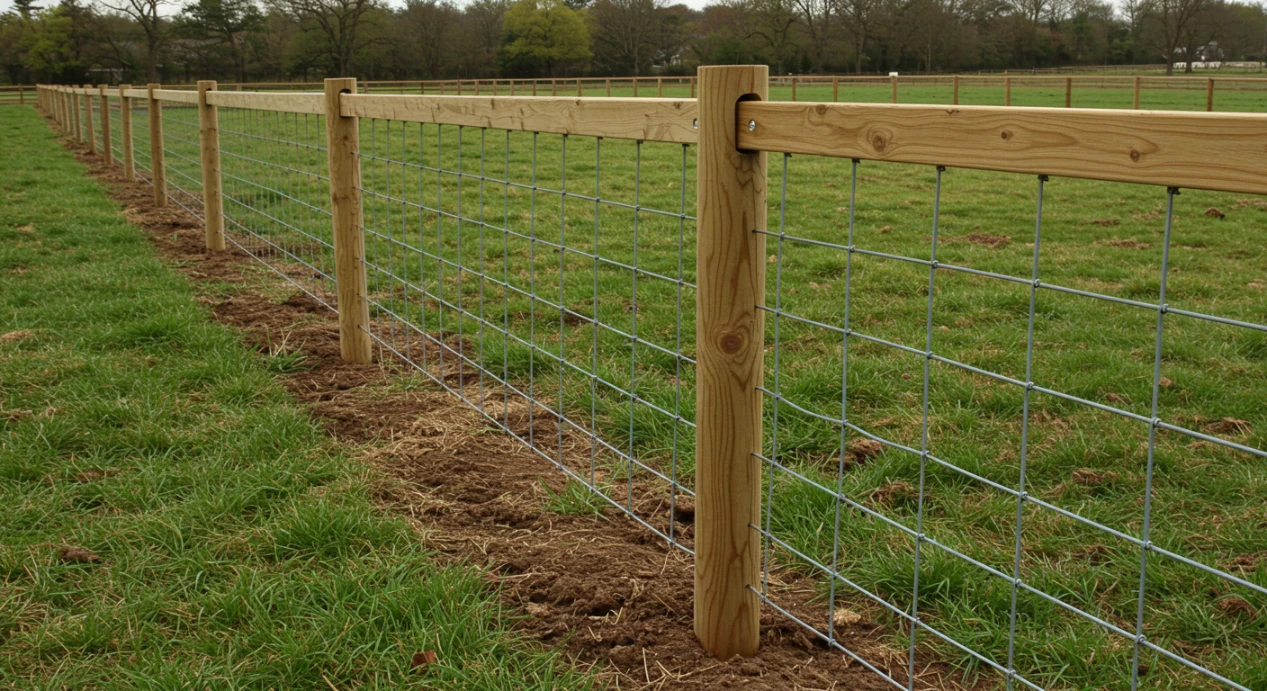
Appearance matters, especially if you plan to stay in your home long-term or care about resale value. Wood fencing offers a warm, natural look that complements many architectural styles.
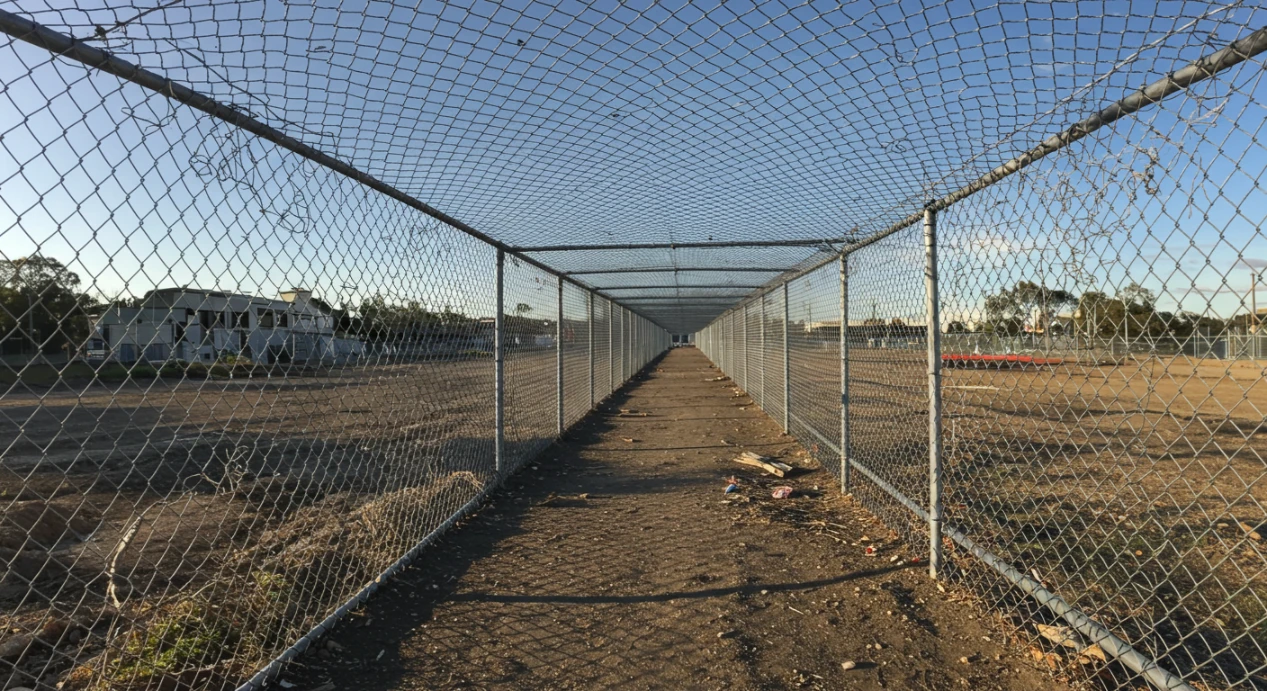
Chain link fencing looks more utilitarian. In some neighborhoods, it blends in just fine. In others, it may feel out of place or be restricted by homeowners associations.
Local expectations and neighborhood standards often influence which option feels appropriate.
Permits, Codes, and HOA Rules
Local regulations can affect your choice. Some cities and HOAs in King County restrict fence height, materials, or placement, particularly in front yards.
Chain link fencing may face more restrictions in visible areas. Wood fencing is often preferred or required for privacy fencing designs.
Checking local rules early prevents costly redesigns later.
Comparing Chain Link and Wood at a Glance
| Feature | Chain Link Fence | Wood Fence |
|---|---|---|
| Privacy | Minimal without upgrades | High |
| Upfront Cost | Lower | Higher |
| Maintenance | Very low | Moderate to high |
| Durability in Wet Climate | Excellent | Good with maintenance |
| Appearance | Functional | Warm and classic |
Common Mistakes Homeowners Make
One common mistake is choosing based solely on price. A cheaper fence that does not meet your needs often ends up being replaced sooner.
Another mistake is ignoring long-term maintenance. Wood fences neglected in wet climates deteriorate faster than expected.
Finally, some homeowners overlook local rules and have to modify or remove a fence after installation.
Thinking Through Your Fence Decision
Before choosing, think about how you use your yard now and how that might change. Pets, children, or future landscaping plans all affect which fence works best.
Also consider how long you plan to stay in the home. A long-term residence may justify investing in wood for comfort and privacy, while a short-term solution may favor chain link.
Conclusion
Choosing between chain link and wood fencing comes down to balancing privacy, maintenance, appearance, and long-term value. There is no one-size-fits-all answer, but understanding these factors helps you choose what truly fits your home and lifestyle.
If you are weighing options for your property in King County, WA, local experience matters. Monkey Fence works with homeowners to evaluate real-world conditions and guide them toward practical choices. For questions or personalized guidance, you can contact info@monkeyfence.com or call (425) 517-2355 for helpful, straightforward advice.
Key Questions Homeowners Ask
Is chain link fencing secure enough?
Yes, chain link fencing provides strong boundary security, especially for pets and children, but it does not provide privacy.
Does wood fencing increase property value?
In many cases, yes. Privacy fencing can improve curb appeal and make outdoor spaces more usable.
Can chain link fencing be made private later?
It can, but adding slats or panels later often costs more than planning for privacy upfront.
Which fence lasts longer?
Chain link typically lasts longer with minimal care. Wood can last many years if properly maintained.