
Introduction
If you are comparing aluminum and steel fencing, you are likely looking for something durable, attractive, and more secure than basic fencing options. At first glance, aluminum and steel can look very similar. Many homeowners assume they perform the same and simply choose the cheaper option. In reality, there are important differences that can affect cost, maintenance, and long-term satisfaction.
For homeowners in Auburn, WA, this decision matters even more. The local climate, neighborhood styles, and property layouts all influence how well a fence performs over time. Choosing the wrong material can mean unexpected maintenance, higher repair costs, or a fence that does not meet your expectations after a few years.
Having worked with homeowners across the area, I have seen how understanding these differences upfront helps people make better decisions. This guide explains what really separates aluminum from steel fencing, how each performs in real-world conditions, and what you should consider before committing to one or the other.
Understanding the Core Difference Between Aluminum and Steel
The most important difference between aluminum and steel fencing is strength versus weight. Steel is heavier and stronger. Aluminum is lighter and naturally resistant to corrosion.
Steel fencing is often chosen for security-focused applications. It can handle more impact and resists bending better than aluminum. Aluminum fencing, while still strong, prioritizes flexibility and rust resistance rather than raw strength.
Knowing what you need the fence to do helps clarify which material makes sense.
Security and Strength Considerations
If security is a top priority, steel fencing usually has the advantage. Its weight and rigidity make it harder to damage or force open. This is why steel is often used around commercial properties or homes needing extra protection.
Aluminum fencing still provides a clear boundary and visual security, but it is not intended to stop determined intruders. For most residential properties in Auburn, aluminum provides more than enough security without feeling overbuilt.
Pro Tip: If your goal is visual security and boundary definition rather than physical resistance, aluminum often meets the need at a lower long-term cost.
According to Forbes, aluminum fences are low-maintenance and corrosion-resistant, while steel fences offer unmatched strength and security.
Rust, Corrosion, and Weather Performance
Auburn’s wet climate plays a major role in fence performance. Moisture is one of the biggest threats to metal fencing.
Aluminum naturally resists rust. It does not corrode the way steel does, which makes it a strong option for long-term durability in rainy conditions, whether for chain link fences or other outdoor structures. Powder-coated aluminum performs especially well with minimal upkeep.
Steel fencing is usually treated or coated to resist rust. While these coatings are effective, they can wear down over time. Scratches or chips expose the metal underneath, which can lead to corrosion if not addressed.
For homeowners who want minimal maintenance, aluminum often has the advantage in this climate.
Maintenance and Long-Term Care
Maintenance expectations differ significantly between the two materials.
Aluminum fencing requires very little ongoing care. Occasional cleaning and visual inspections are usually enough to keep it looking good for years.
Steel fencing needs more attention over time. Regular inspections for chipped paint or rust spots are important. Small issues can be fixed easily if caught early, but ignoring them can shorten the fence’s lifespan.
Pro Tip: If you do not want to think about maintenance every year, aluminum is usually the better fit for residential properties.
Appearance and Design Options
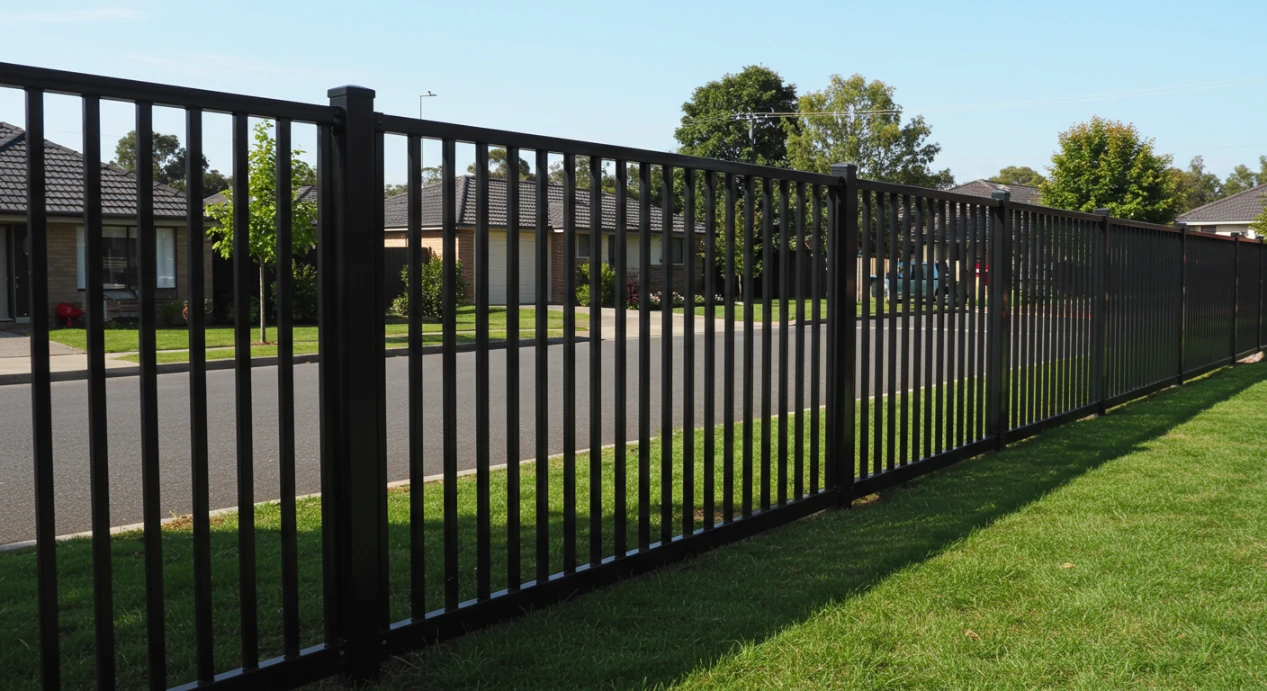
Both aluminum and steel fencing offer clean, modern designs that work well with many home styles. From a distance, they often look identical.
Aluminum fencing is available in a wide range of styles, heights, and colors. It works especially well for decorative fencing around front yards, pools, or landscaped areas.
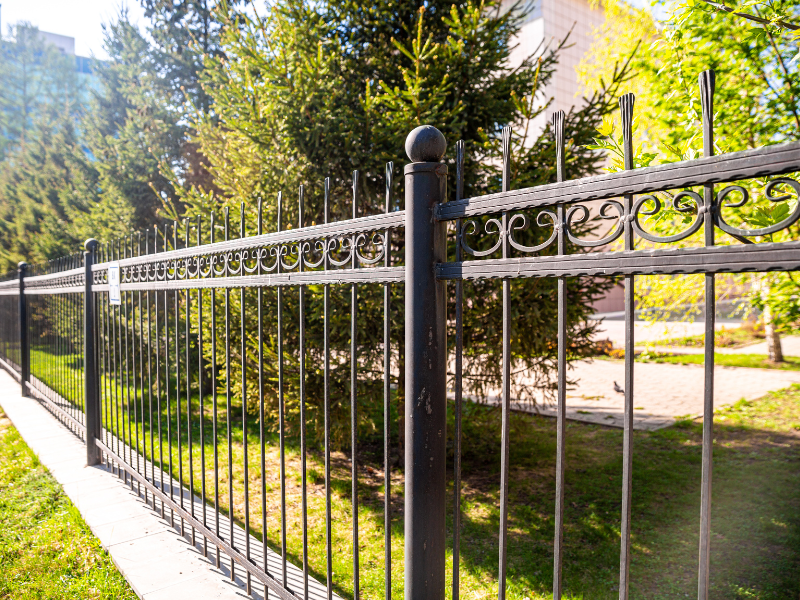
Steel fencing tends to look more substantial and industrial. Some homeowners prefer this solid feel, especially for perimeter fencing.
Your choice may come down to whether you want a lighter, more decorative look or a heavier, more imposing presence.
Cost Considerations Beyond the Initial Price
Upfront cost is only part of the equation. Steel fencing often costs less initially, especially for basic designs. Aluminum can have a higher starting price depending on style and coating.
Over time, maintenance costs change the picture. Aluminum’s resistance to rust usually results in lower long-term expenses. Steel may require repainting or rust repair, which adds to total ownership cost.
Thinking beyond installation helps avoid surprises later.
Installation and Property Conditions
Installation complexity can also affect your decision. Aluminum fencing is lighter, making it easier to install on uneven terrain. This can be helpful for sloped properties common in parts of Auburn.
Steel fencing’s weight requires more labor and sturdier posts. This adds strength but can increase installation time and cost.
Access to the fence line and soil conditions also play a role in material choice.
Aluminum vs. Steel at a Glance
| Factor | Aluminum Fencing | Steel Fencing |
|---|---|---|
| Strength | Moderate | High |
| Rust Resistance | Excellent | Good with coating |
| Maintenance | Very low | Moderate |
| Weight | Lightweight | Heavy |
| Best For | Residential, decorative | High-security needs |
Common Mistakes Homeowners Make
A common mistake is assuming steel is always better because it is stronger. In many residential settings, that extra strength is unnecessary and comes with added maintenance.
Another mistake is ignoring climate. Metal fencing that performs well in dry areas may struggle in wetter environments if not properly protected.
Finally, some homeowners choose based on looks alone, without considering long-term care.
Things to Consider Before Making Your Decision
Before choosing, think about how long you plan to stay in your home, how much maintenance you are willing to do, and what role the fence plays in your daily life. A fence around a pool or front yard often benefits from aluminum’s clean look and low upkeep. A fence meant to secure a large perimeter may benefit from steel’s strength.
Also consider neighborhood expectations and local guidelines, which can influence acceptable fence styles.
Conclusion
Choosing between aluminum and steel fencing comes down to balancing strength, maintenance, appearance, and climate performance. For many homeowners in Auburn, WA, aluminum offers an excellent mix of durability and low upkeep. Steel remains a solid option when maximum strength is the priority.
If you want help evaluating which option fits your property and goals, local expertise makes a difference. Monkey Fence works with homeowners to assess real-world conditions and recommend practical fencing solutions. For guidance or questions, you can contact info@monkeyfence.com or call (425) 517-2355 for straightforward, helpful advice.
Key Questions Homeowners Ask
Is aluminum fencing strong enough for residential use?
Yes. Aluminum fencing is more than strong enough for most homes and provides reliable boundary security.
Will steel fencing rust in Auburn’s climate?
It can if coatings are damaged or not maintained. Regular inspections help prevent long-term issues.
Does aluminum fencing look cheap?
No. Modern aluminum fencing is designed to mimic wrought iron and offers a high-end appearance.
Which option lasts longer?
Aluminum often lasts longer in wet climates due to its natural resistance to corrosion.