
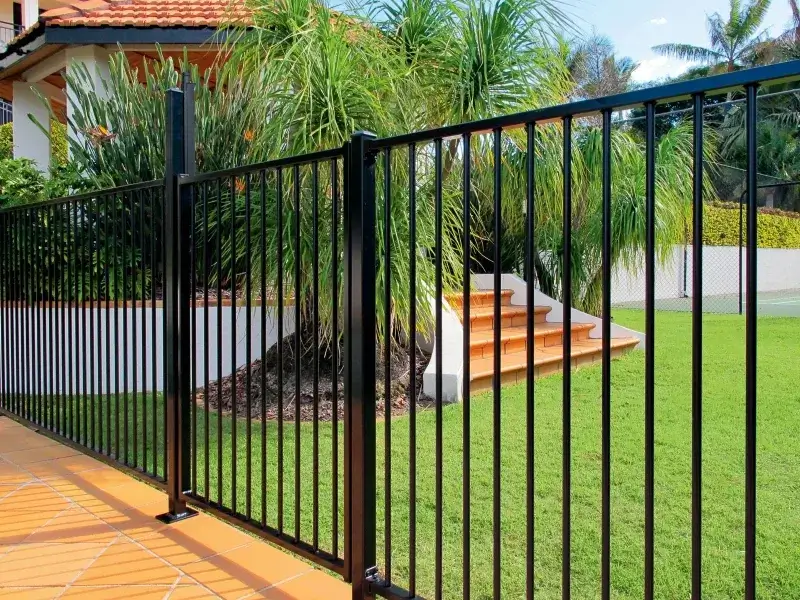
Aluminum fencing provides homeowners with a practical solution that combines minimal maintenance needs with reliable security. The material naturally resists rust, corrosion, and weather damage, eliminating the regular upkeep required by wood or traditional metal fences. Additionally, aluminum’s inherent strength creates a durable barrier that protects property without the visual bulk of other fencing options.
This comprehensive guide covers everything you need to know about aluminum fencing, from its material properties to cost considerations. Based on extensive experience with fencing installations across various climates and property types, the information presented here offers practical insights for making informed decisions about property protection and maintenance requirements.
The Material Advantages of Aluminum
Aluminum stands out in the fencing market due to its unique combination of strength and lightweight properties. Unlike iron, aluminum won’t rust when exposed to moisture, making it particularly suitable for regions with high humidity or frequent rainfall. The powder coating process used on most aluminum fencing adds another layer of protection against scratches and UV damage, helping maintain appearance over decades rather than years.
The aluminum fencing market has grown significantly as homeowners recognize these benefits. Industry reports indicate that the global aluminum fencing market is projected to reach approximately billions by 2027, driven largely by increasing demand for low-maintenance fencing solutions in residential construction American Fence Association.
Material Comparison
| Material | Maintenance Required | Lifespan | Weather Resistance |
|---|---|---|---|
| Aluminum | Minimal (cleaning 1-2x yearly) | 25-50 years | Excellent |
| Wood | High (staining/painting yearly) | 10-20 years | Poor to Fair |
| Vinyl | Low (occasional cleaning) | 20-30 years | Good |
| Wrought Iron | Medium (rust prevention 2-3x yearly) | 50+ years | Fair |
Bonus Tip: When selecting aluminum fencing, look for grade 6005-T5 or 6063-T6 aluminum alloys, as these offer superior strength for residential applications.
Low Maintenance Requirements
The primary appeal of aluminum fencing centers around its near-zero maintenance needs. Unlike wood fencing that requires annual staining or painting to prevent decay, aluminum simply needs occasional cleaning with mild soap and water to remove dirt and debris. This minimal upkeep routine saves homeowners both time and money over the fence’s lifespan.
Aluminum’s resistance to common fence problems like insect damage, rot, and warping further reduces maintenance headaches. Termites and carpenter ants cannot damage aluminum, and the material won’t warp or bow in extreme temperatures like vinyl fencing might. This stability means the fence maintains its appearance and structural integrity without intervention.
Cleaning Tip: A mixture of one cup of white vinegar to one gallon of warm water effectively removes most stains from aluminum fencing without damaging the protective powder coating. Rinse thoroughly with clean water afterward.
Strength and Security Features
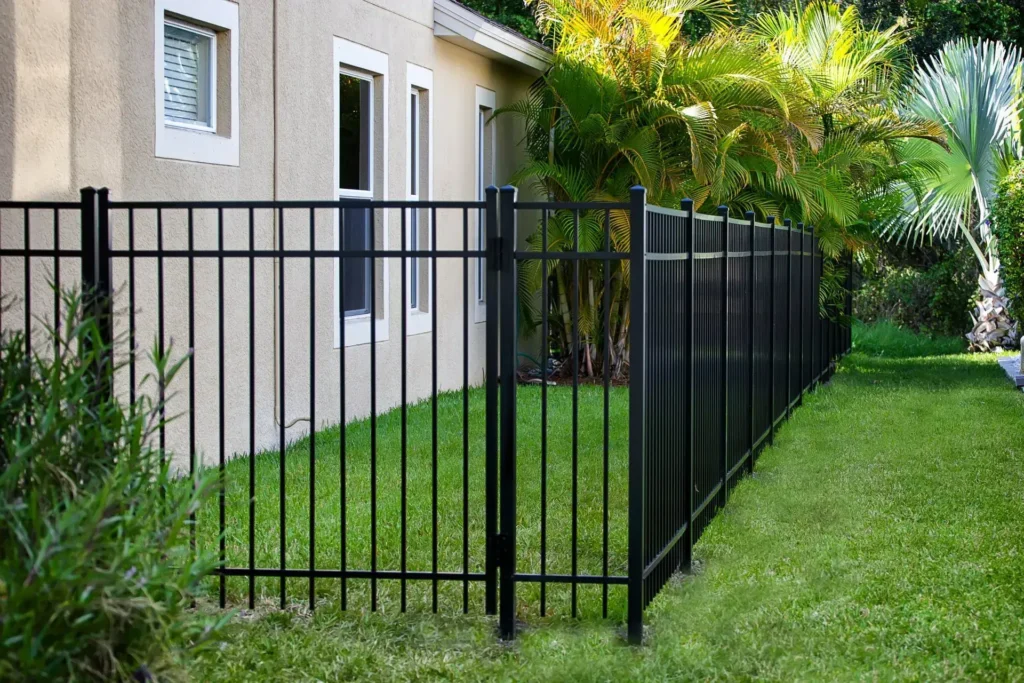
Despite its lighter weight compared to iron or steel, aluminum fencing provides substantial security for residential properties. The strength-to-weight ratio of aluminum makes it particularly effective for fencing applications. Modern aluminum fences are designed with horizontal rails and vertical pickets that create a formidable barrier while maintaining an open, attractive appearance.
The manufacturing process typically involves extruding aluminum through dies that create hollow profiles with internal reinforcement ribs. This design provides structural rigidity without excessive weight. When properly installed with concrete posts and appropriate hardware, aluminum fencing can withstand significant impact while maintaining its shape and protective function.
Climate-Specific Considerations
Coastal Regions: Aluminum performs exceptionally well in salt-air environments where other metals corrode rapidly. The powder coating provides additional protection against salt spray and beach conditions.
Northern Climates: In areas with freeze-thaw cycles, aluminum won’t crack or split like wood. The material’s flexibility allows it to withstand ground movement without damage.
Desert Regions: UV-resistant powder coatings prevent fading and degradation from intense sun exposure, maintaining appearance in harsh sunlight.
Cost Considerations Over Time
While aluminum fencing typically has a higher upfront cost than wood or vinyl options, its long-term value proposition becomes clear when considering total ownership costs. A study by the National Association of Realtors indicates that aluminum fencing can increase property values by up to 5%, particularly in regions where low-maintenance features are highly valued.
The lack of ongoing maintenance costs means aluminum fencing often proves more economical over a 20-year period compared to materials requiring regular upkeep. When factoring in the cost of paint, stain, sealants, and labor for other fence types, aluminum’s initial investment pays for itself within 7-10 years Fortune Business Insights.
Financial Tip: Some insurance companies offer premium discounts for properties with aluminum fencing due to its durability and security benefits. Check with your insurance provider about potential savings.
Things to Consider Before Making a Decision
Before selecting aluminum fencing, evaluate several practical factors that affect performance and satisfaction. Local building codes and homeowners association regulations may dictate fence height, style, or installation methods. Some historic districts restrict modern materials, making aluminum unsuitable for certain properties.
The property’s intended use also influences fence selection. Properties with swimming pools typically require fencing with specific spacing between pickets to meet safety codes. Rural properties might need taller fencing with security features to deter wildlife. Urban properties often prioritize aesthetic appeal and neighbor-friendly designs.
Consider the installation process as well. While aluminum fencing is lighter than iron, proper installation still requires significant labor and technical knowledge. DIY installation can reduce costs but may void warranties if not executed according to manufacturer’s specifications.
Final Considerations
Aluminum fencing presents a practical solution for property owners seeking security without maintenance burdens. The material’s inherent resistance to weather, insects, and decay creates a long-lasting barrier that maintains appearance and function for decades. When evaluating fencing options, consider the total cost of ownership rather than just initial price points.
The decision ultimately depends on your specific property needs, climate conditions, and aesthetic preferences. Evaluate local requirements, installation quality, and warranty coverage to ensure the selected aluminum fence system provides the desired protection and longevity for your particular situation.
Get Expert Guidance for Your Fencing Project
Monkey Fence offers professional consultations to help determine if aluminum fencing meets your property’s specific requirements. For personalized recommendations about materials, installation methods, and local regulations, contact us at info@monkeyfence.com or call (425) 517-2355 to discuss your fencing needs and explore available options.
Sources
- Fortune Business Insights – Market research data showing projected growth of the aluminum fencing industry through 2027, with specific revenue figures and growth drivers.
- National Association of Realtors – Industry analysis of fencing materials and their impact on property values, including aluminum fencing ROI and buyer preferences.
- American Fence Association – Technical specifications and installation guidelines for aluminum fencing systems, including material grades and maintenance requirements.
Frequently Asked Questions
Can aluminum fencing survive extreme weather conditions?
Aluminum fencing withstands extreme weather conditions better than most materials. In hurricane-prone areas, aluminum’s flexibility allows it to bend rather than break under high winds. The material also tolerates temperature extremes from -30°F to 120°F without losing structural integrity.
How difficult is aluminum fence installation?
Professional installation is recommended for optimal performance. The process requires precise post placement, concrete footings, and proper alignment of fence panels. DIY installation is possible but requires specific tools and knowledge to ensure stability and warranty compliance.
What color options are available for aluminum fencing?
Most manufacturers offer standard colors, including black, white, bronze, and green. Custom colors are available through some suppliers but may require longer lead times. The powder coating process provides durable color that typically fades less than 1% per decade.
How does aluminum fencing compare to steel for security?
While steel offers slightly higher ultimate strength, modern aluminum fencing provides adequate residential security. Aluminum’s advantage lies in its corrosion resistance and lower maintenance requirements. For high-security applications, aluminum fences with thicker pickets and additional hardware can be specified.
Are there environmental benefits to choosing aluminum fencing?
Aluminum is highly recyclable, with most aluminum fencing containing 50-70% recycled content. At the end of its functional life, aluminum fencing can be completely recycled rather than sent to landfills, unlike treated wood or vinyl options.