
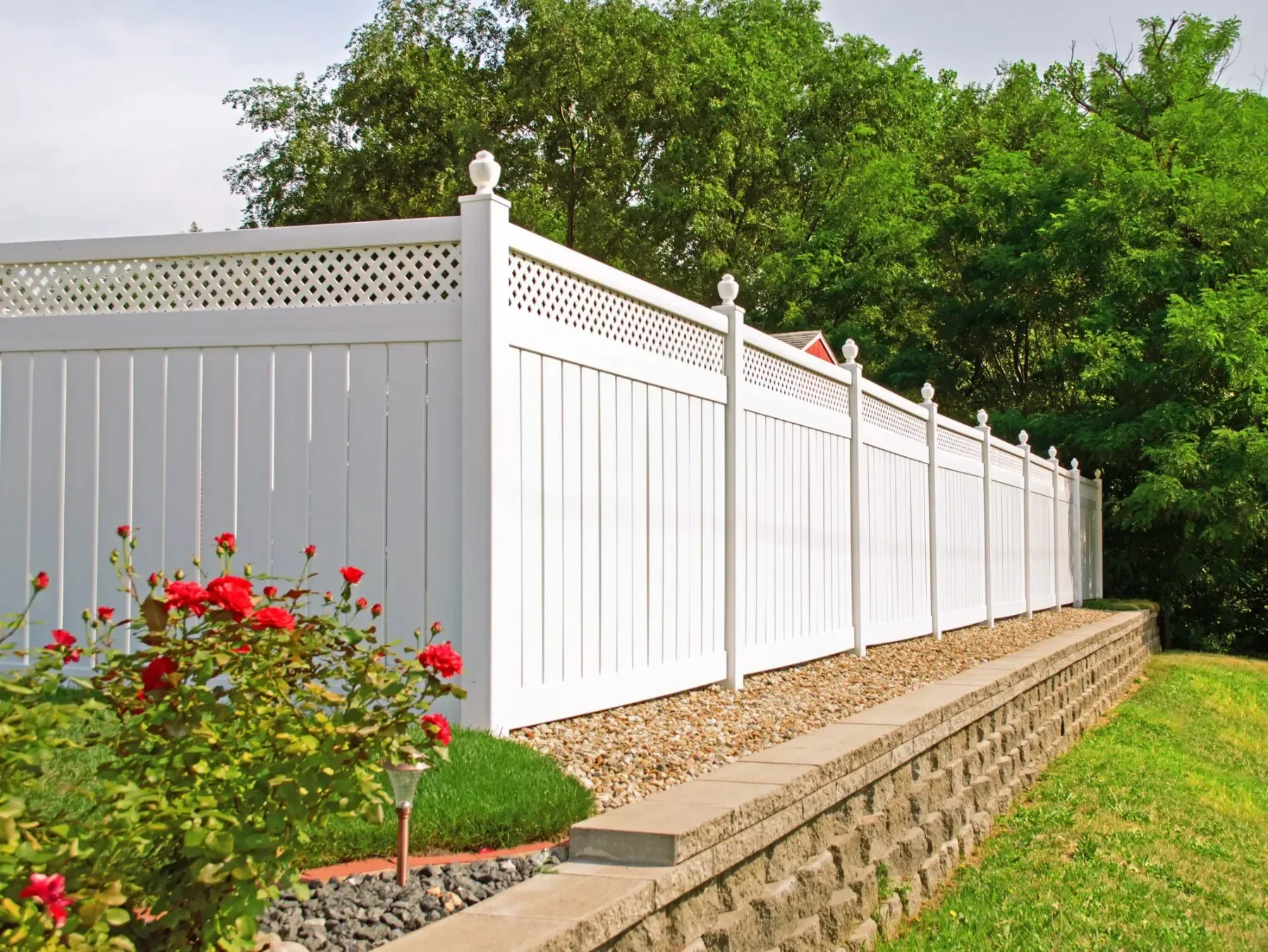
Determining the ideal level of isolation for your property depends on balancing local regulations, aesthetic preferences, and the specific activities you host in your outdoor space. Most homeowners find that a residential privacy fence standing six feet tall provides the necessary barrier to block sightlines from neighbors while maintaining a sense of openness.
We understand that choosing the right boundary involves more than just picking a material. It requires an analysis of your landscape and how you intend to use your yard. This guide provides an objective look at the factors that dictate your fencing needs based on years of field experience in property boundary solutions.
Monkey Fence provides this overview to help you evaluate your options with clarity and technical accuracy. We focus on delivering practical knowledge so you can make an informed decision for your home.
Determining Your Specific Privacy Goals
Before choosing a right fence for your property, identify what you are trying to hide or protect. If the goal is to keep a large dog contained, height and durability are the main concerns. If you want to block the view of a busy street, a solid surface is required.
Many people realize that complete isolation is not always the best choice. A fully closed-off yard can sometimes feel small or dark. Evaluating your specific needs helps you avoid over-investing in a structure that might negatively impact your property’s feel.
A study by the National Association of Realtors indicates that well-planned exterior improvements can significantly impact property appeal. Choosing the right balance ensures your home remains inviting while providing a personal retreat.
1. Assessing The Right Privacy Fence Height
Height is the most significant factor in achieving seclusion. Standard residential heights usually range from four to eight feet. However, most municipalities have strict codes regarding how high you can build.
A four-foot fence serves as a clear boundary but does little to block views. It is often used in front yards where visibility is required for traffic safety. A six-foot structure is the industry standard for backyards because it sits above the eye level of most adults.
Check your local zoning laws or Homeowners Association (HOA) rules before starting. According to the International Residential Code (IRC), fences over a certain height may require specific engineering or permits to ensure wind resistance and structural integrity.
| Fence Height | Typical Use Case | Level of Privacy |
|---|---|---|
| 3–4 Feet | Front yards, garden borders | Low (Visual marker only) |
| 5 Feet | Defining spaces, small pets | Medium (Partial visual block) |
| 6 Feet | Standard backyards | High (Blocks most sightlines) |
| 8 Feet | Commercial borders, steep slopes | Maximum (Requires special permits) |
Bonus Tip: If your property sits on a slope, measure the height from the highest point of the ground. You may need a “stepped” design to maintain consistent privacy without creating gaps at the bottom.
2 Selecting Materials For Visual Density
The material you choose dictates how much light and air pass through your barrier. Wood and vinyl are the most common choices for fence installation because they offer solid panels.
Wood fencing allows for a traditional look and can be customized with overlapping pickets to ensure no gaps appear as the wood dries. Vinyl fencing provides a uniform appearance and requires very little maintenance over its lifespan.
For those who want a softer look, lattice top panels offer a compromise. They provide a solid wall for the bottom five feet but allow light to filter through the top foot. This prevents the “boxed-in” feeling while still protecting your space from prying eyes.
Why Do Property Lines Matter For Privacy?
You must know exactly where your land ends before installing any permanent structure. Building a fence even a few inches onto a neighbor’s property can lead to legal disputes or the forced removal of the fence.
Consulting a professional land survey is the only way to be certain of your boundaries. This ensures that your investment remains secure and that your relationship with your neighbors stays positive.
According to data found at HomeAdvisor, the cost of fence removal and re-installation is often double the original price. Getting the location right the first time is essential for long-term satisfaction.
3 Managing Sound and Wind Factors
A residential privacy fence does more than block views; it acts as a buffer against environmental elements. A thick, solid fence can help reduce the volume of ambient noise from nearby traffic or neighbors.
While a fence cannot completely soundproof a yard, it can break the path of sound waves. Similarly, a solid wall acts as a windbreak, protecting your patio furniture and landscaping from strong gusts.
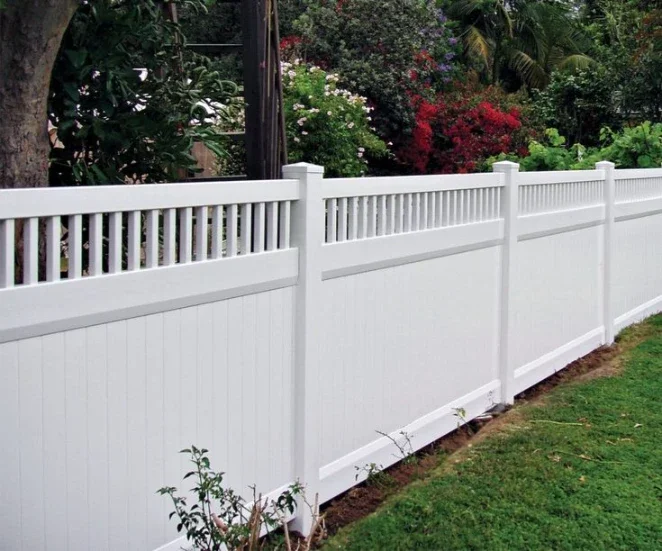
If you live in a high-wind area, consider a shadowbox fence design. This style uses alternating pickets on both sides of the rail. It provides privacy from an angle but allows air to flow through, reducing the pressure on the fence posts during storms.
4 Things To Consider Before Making A Decision
Before you commit to a specific design, evaluate these practical factors to ensure the structure meets your daily needs.
- Sunlight Patterns: A tall, solid fence will cast long shadows. Consider how this might affect your flower beds or garden.
- Neighbor Relations: It is common courtesy to discuss your plans with neighbors. They may be willing to split the cost if the fence benefits both parties.
- Maintenance Level: Pressure-treated lumber requires staining, while aluminum fencing or vinyl usually only needs an occasional wash.
- Future Utility: Think about whether you will need a wide gate for a riding mower or a boat in the future.
Bonus Tip: Use metal post inserts for wooden fences. This prevents the wood from rotting in the ground and extends the life of your backyard privacy fencing by several years.
5 Enhancing Privacy Without Increasing Height
If local laws limit your fence height to six feet but you still feel exposed, use supplemental screening. This involves adding elements that work with your fence to create a more private environment.
Arborvitae trees or tall shrubbery planted along the fence line can add several feet of “green” privacy. Pergolas placed strategically near a deck can also block views from second-story windows of neighboring houses.
Using outdoor curtains or privacy screens on your porch can provide temporary seclusion during gatherings. These additions allow you to customize your level of privacy based on the occasion without violating city height codes.
How Do You Maintain Privacy Over Time?
A fence is an investment that requires attention to remain effective. Over time, natural weathering can cause wood to warp, creating gaps that compromise your privacy.
Inspect your fence annually for loose fasteners or rotting boards. Replacing a few pickets is much cheaper than replacing an entire section. For vinyl, check for cracking caused by extreme temperature changes or impact from lawn equipment.
Properly maintained backyard privacy fencing can last twenty years or more. Consistent care ensures that the barrier you built to protect your home continues to serve its purpose without becoming an eyesore.
Summary of Private Fencing Essentials
Choosing the right amount of privacy involves identifying your goals and understanding the limitations of your property. A standard six-foot barrier is usually sufficient for most residential needs, but material choice and landscape layout play equal roles in the final result. By considering wind flow, local codes, and long-term maintenance, you can create a functional and attractive boundary. Always verify your property lines and consult with neighbors to ensure a smooth privacy fence installation process.
Expert Support From Monkey Fence
We provide professional guidance to help you navigate the complexities of residential boundaries. If you need assistance determining the best height or material for your property, our team at Monkey Fence is ready to help with a free quote. We focus on durable solutions that enhance your outdoor living experience. You can reach us at (425) 517-2355 or via email at info@monkeyfence.com to discuss your project. Our goal is to ensure your investment provides the security and seclusion you deserve.
Common Privacy Fence Questions
What is the best height for a backyard fence?
For most homes, six feet is ideal. It sits above head height for privacy while usually fitting within local zoning laws without requiring special construction permits or engineering.
Can I build a fence directly on the property line?
This depends on local regulations. Many areas allow it, but some require a “setback.” Always check your local codes and consult a professional survey to avoid legal issues.
Which fence material provides the most privacy?
Vinyl and solid wood panels provide the highest level of visual blockage. They eliminate gaps between pickets, ensuring that sightlines are completely obstructed from the outside.
How do I stop neighbors from seeing over my fence?
If your fence is at the legal height limit, use “vertical landscaping.” Planting tall evergreens or installing a pergola can block views from higher elevations like second-story windows.
Does a privacy fence reduce noise?
Solid fences act as a sound buffer by reflecting sound waves. While they won’t eliminate all noise, heavy materials like thick wood or masonry significantly dampen ambient neighborhood sounds.
Sources
- National Association of Realtors – Provides research on how home improvements like fencing affect property values and marketability.
- International Residential Code (IRC) – The definitive source for building safety and height regulations for residential structures.