
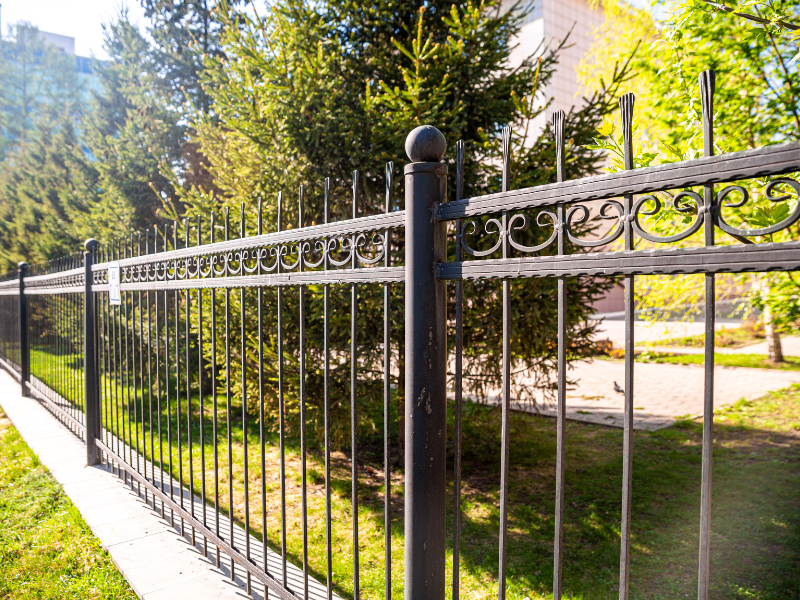
Aluminum fencing prevents rust primarily through a natural chemical process called oxidation and an industrial finish known as powder coating. Unlike steel or iron, aluminum does not corrode when exposed to moisture, meaning it will not rust, flake, or weaken over time. This material eliminates the need for regular scraping, priming, and painting. Monkey Fence has observed that this resistance to oxidation allows aluminum fencing to maintain its structural integrity and appearance for decades with minimal intervention.
The Science of Aluminum Protection
Aluminum possesses a unique ability to resist corrosion through self-healing. When the metal is exposed to air, it instantly forms a microscopic layer of aluminum oxide. This layer is extremely hard and bonds chemically to the surface. If the fence gets scratched or nicked, the exposed aluminum reacts with oxygen to form a new protective layer instantly. This prevents the kind of deep, spreading rust that plagues iron and steel fences. Learn more about aluminum fencing durability for lasting protection.
In addition to this natural defense, manufacturers apply a heavy-duty powder coating. This involves using electrostatic charges to bond dry polyester powder to the metal, which is then cured under high heat. This process creates a finish that is significantly thicker and more durable than standard liquid paint. According to the American Fence Association, this powder coating acts as a second skin that resists chipping, scratching, and fading, further isolating the metal from moisture and oxygen.
Bonus Tip
Always inspect the fence coating for UV inhibitors. High-quality powder coats include these additives to prevent the sun from breaking down the color over long periods.
Market and Material Comparisons
Understanding the financial and practical implications of material choices helps in making a sound long-term decision. The global aluminum market continues to grow because of these maintenance advantages, particularly in construction applications where durability is paramount. A report by Grand View Research indicates that the aluminum market is expanding steadily, driven by demand for lightweight, corrosion-resistant materials in residential and commercial sectors.
To visualize the differences, consider how aluminum stacks up against traditional fencing materials regarding maintenance and longevity.
| Material | Rust Resistance | Maintenance Required | Lifespan | Cost Over Time |
|---|---|---|---|---|
| Aluminum | None (Highly Resistant) | Low (Occasional washing) | 30-50+ Years | Low (No painting/staining) |
| Wrought Iron | Low (Prone to rust) | High (Sanding and painting) | 20+ Years (with care) | High (Labor and materials) |
| Steel | Moderate (Galvanized helps) | Moderate to High | 15-25 Years | Moderate |
| Chain Link | Moderate (Galvanized) | Low to Moderate | 10-15 Years | Low |
Climate and Regional Factors
The value of aluminum fencing becomes most apparent in harsh environments. In coastal regions, salt spray accelerates corrosion in ferrous metals like steel. Salt acts as an electrolyte, speeding up the oxidation process and causing iron to rust rapidly. Aluminum remains unaffected by salt spray, making it the superior choice for beachfront properties.
Similarly, in areas that experience heavy snowfall, road salts and de-icing chemicals pose a major threat to fences. Plowed snow often sits against the bottom of a fence, creating a corrosive slurry that can eat through galvanized steel coatings. Aluminum withstands these conditions without degrading. Data published by NACE International, now known as the Association for Materials Protection and Performance, highlights that corrosion costs the global economy trillions of dollars annually, much of which is due to infrastructure degradation in harsh environments. Selecting aluminum effectively neutralizes this specific risk.
Bonus Tip
In regions with high pollen or industrial pollution, rinsing the fence with a garden hose once or twice a year prevents surface buildup that could dull the finish over time.
Things to Consider Before Making a Decision
While aluminum offers exceptional rust prevention, it is not suitable for every scenario. Evaluate these factors before purchasing.
- Strength and Impact Resistance: Aluminum is strong but lighter than steel. It provides excellent security for perimeter marking and pool safety, but it may bend upon heavy impact from vehicles or falling trees compared to heavier iron grades.
- Grades of Aluminum: Fencing typically comes in residential, commercial, and industrial grades. Residential grade uses thinner aluminum and smaller pickets. For high-traffic areas or where added security is needed, commercial-grade aluminum offers thicker rails and pickets for increased rigidity.
- Coating Warranty: Review the warranty details closely. Manufacturers often distinguish between the structural warranty (the metal won’t fail) and the finish warranty (the paint won’t peel). A top-tier product should offer a substantial warranty on the finish against chipping, peeling, and cracking.
- Style Limitations: While aluminum mimics the look of wrought iron effectively, it does not offer the same ability to create custom, ornate scrollwork on-site. Custom designs usually require specialized casting and manufacturing, which can increase lead times.
Bonus Tip
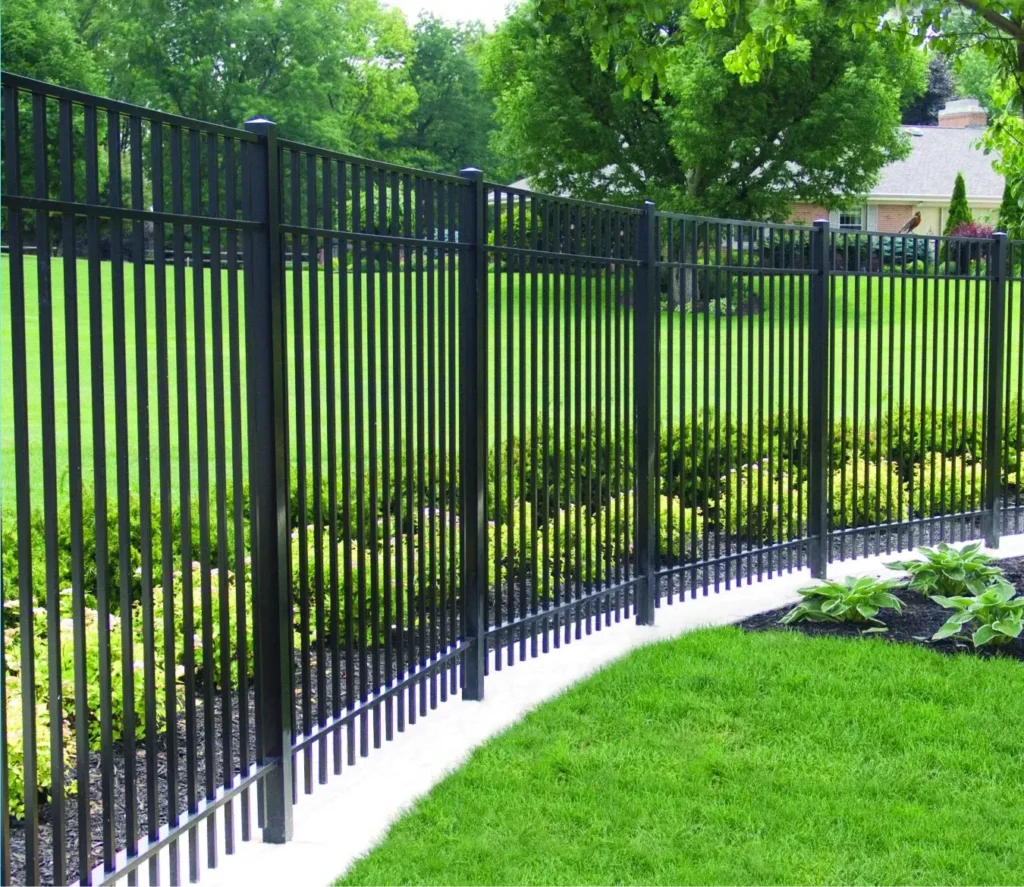
When checking the spacing, ensure the vertical pickets are spaced less than 4 inches apart to meet most local building codes for pool safety and to prevent small pets from squeezing through.
Conclusion
Aluminum fencing solves the problem of rust through the formation of a protective oxide layer and a bonded powder coat finish. This combination eliminates the cycle of scraping and painting that defines traditional iron and steel fencing ownership. While the upfront cost may be higher than chain link or wood, the long-term savings on maintenance and replacement are substantial. When evaluating options, consider the specific climate challenges of the property, the required strength of the fence, and the warranty offered by the manufacturer. Selecting the right grade and finish ensures a secure, attractive perimeter that lasts a lifetime.
Ready to Upgrade Your Fence
Monkey Fence provides professional guidance on selecting the right materials for your property’s specific needs. For expert advice or to discuss installation options, contact Monkey Fence at info@monkeyfence.com or call (425) 517-2355 today. Our team can help assess your site and recommend a solution that stands up to the elements.
Sources
- American Fence Association – Industry resource providing standards and best practices for various fencing materials, including aluminum coatings.
- AMPP (The Association for Materials Protection and Performance) – A global authority on corrosion prevention and control, providing data on the economic impact of corrosion.
Frequently Asked Questions
Can paint be applied to aluminum fencing if I want a new color?
While it is possible to paint aluminum fencing, it requires specific preparation. The existing powder coating must be scuffed thoroughly, and a primer suitable for non-ferrous metals must be used. Spray painting provides the smoothest finish, but it will not be as durable as the original factory-applied powder coating.
Does aluminum fencing conduct electricity?
Aluminum is a conductive metal. If the fence is installed near power lines or in areas prone to lightning, grounding the fence may be a necessary safety precaution. Consult with a local electrician regarding specific grounding requirements in your area.
How does aluminum perform in extreme heat?
Aluminum handles heat well. It has a high thermal conductivity, meaning it will get hot to the touch in direct sunlight, but the structural properties remain stable. The metal does not warp or melt under normal environmental temperature extremes.
Are there recycling options for old aluminum fencing?
Aluminum is 100 percent recyclable without losing its properties. If an old aluminum fence ever needs removal, the metal can be sold to scrap recyclers. This recyclability adds to the long-term environmental value of the material compared to vinyl or treated wood options.