
Effective farm fencing serves as the primary defense mechanism for agricultural operations, securing livestock against predation and preventing accidental injury while clearly defining property limits. Monkey Fence recognizes that a well-installed barrier does more than simply mark a perimeter. It acts as a risk management tool that protects physical assets and ensures the safety of the animals within. This guide explains the mechanics of agricultural containment, the materials best suited for specific environments, and the strategic factors that influence long-term boundary security.
Producers lose significant revenue annually due to inadequate containment systems. According to the United States Department of Agriculture, predator attacks and fencing failures account for millions of dollars in losses for the livestock sector. A sturdy fence structure mitigates these financial risks by providing a reliable physical and psychological barrier.
The Mechanics of Livestock Containment
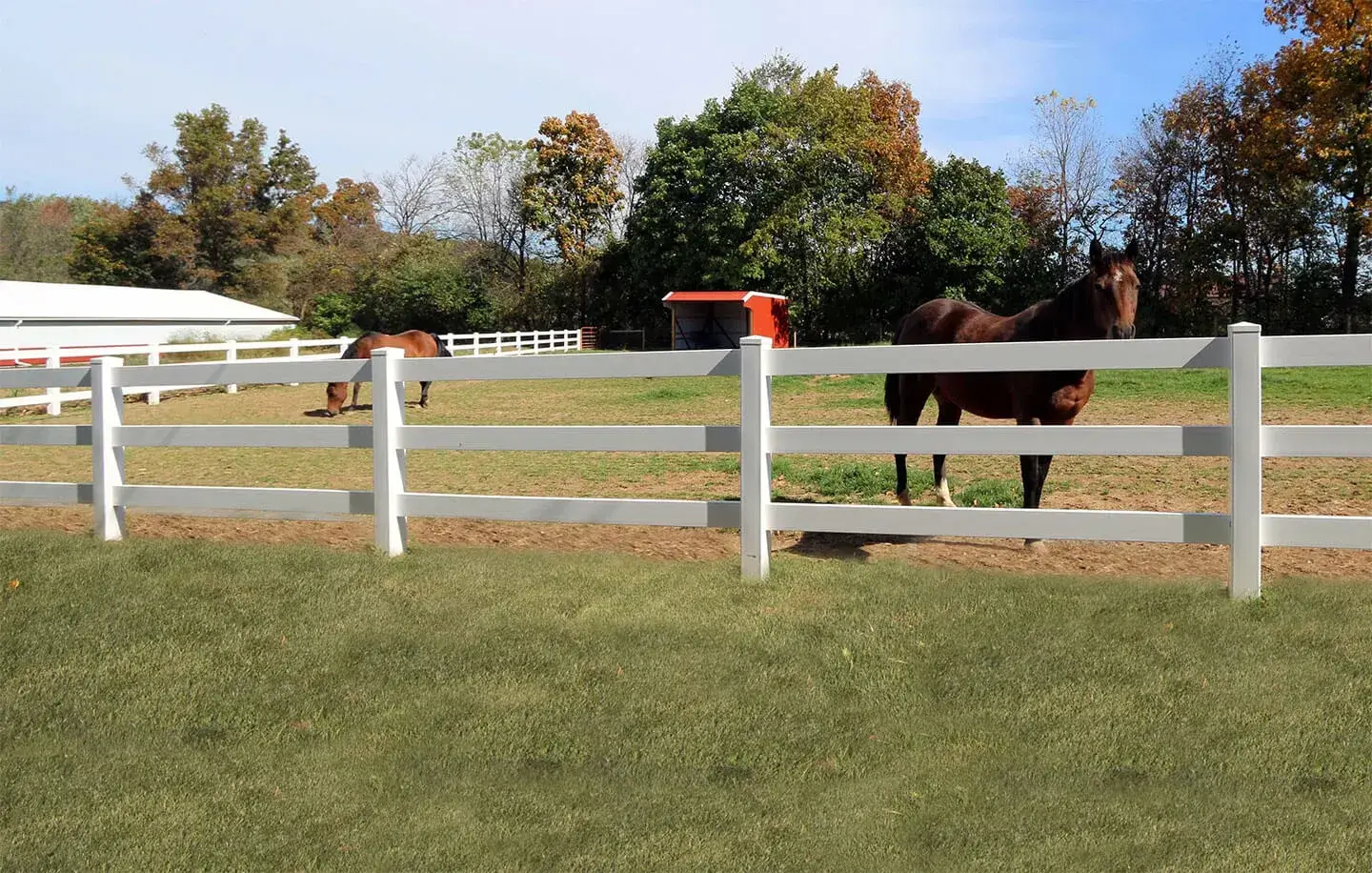
Containment works by addressing two specific behavioral factors: the physical ability of an animal to breach a barrier and its psychological motivation to do so. Different species require different approaches. Cattle, for example, are often contained by simple physical barriers like barbed wire because they lack the agility to jump high or the inclination to push through sharp points without provocation. Horses present a different challenge. They are flight animals that panic easily, meaning fences must be highly visible to prevent accidental collision and injury. Smooth wire or wooden rail fencing is often preferred here over barbed wire to avoid severe lacerations if a horse runs into the perimeter.
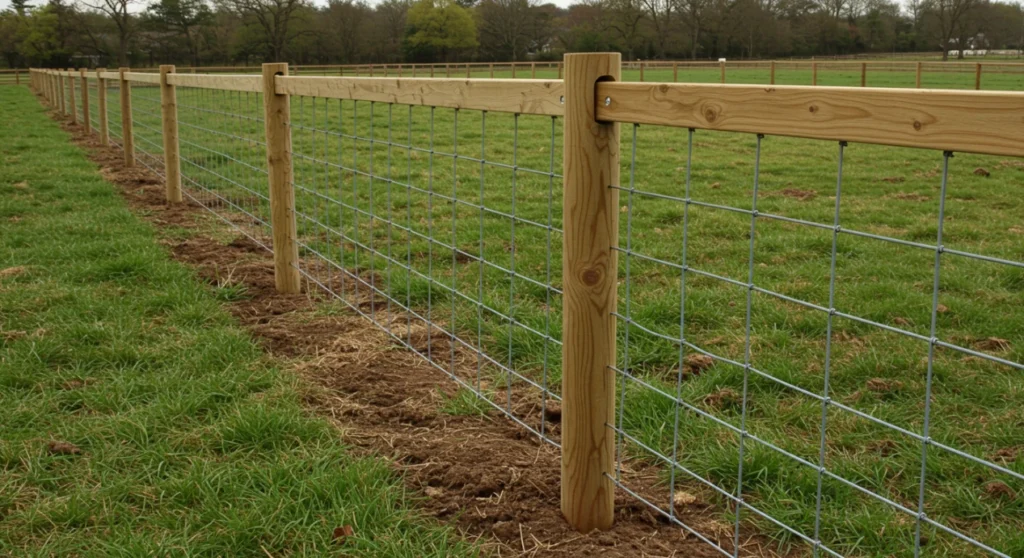
Goats and pigs are notorious escape artists. They can crawl, climb, or root their way under fences that would easily hold a cow. For these animals, woven wire fencing with smaller openings at the bottom is necessary to prevent squeezing through. Adding an electric offset wire at the bottom or top creates a psychological boundary that trains animals to avoid the fence entirely.
Bonus Tip
Train Animals Early: Introducing livestock to a new electric fence with a lower voltage pulse allows them to learn the boundary without a traumatic shock. This reduces the likelihood of a panicked breach attempt later.
Securing Property Boundaries and Legal Interests
Beyond animal safety, fencing protects the landowner’s legal interests. Property disputes often arise when boundary lines are unclear. A permanent, well-maintained fence serves as a visual marker that demarcates ownership, reducing the likelihood of encroachment by neighbors or unauthorized use of the land.
In many jurisdictions, fence laws dictate the responsibility for maintenance and shared costs between adjoining landowners. A robust installation ensures that Monkey Fence clients meet these legal obligations, preventing costly litigation. Furthermore, a secure perimeter deters trespassing and theft, which are persistent issues in rural areas.
Material Selection and Durability
Choosing the right material is a decision that balances upfront costs with long-term maintenance. The environment plays a massive role in this choice. Wooden fences offer a traditional look and high strength but require regular maintenance to prevent rot and insect damage, especially in humid climates. Metal T-posts combined with wire offer high durability and lower initial costs, but may lack the aesthetic appeal of wood.
Vinyl fencing has gained popularity due to its longevity and low maintenance requirements. It does not rot, peel, or require painting. However, vinyl can become brittle in extreme cold and may not withstand the impact of heavy livestock as well as wood or pipe University of Tennessee Extension.
Comparison of Fencing Materials
The following table outlines the characteristics of common farm fencing materials to help decision-makers evaluate options based on their specific needs.
| Material | Average Lifespan | Maintenance Level | Best Suited For | Cost |
|---|---|---|---|---|
| Wooden Rail/Post | 15-25 years | High (painting/staining) | Horses, decorative boundaries | High |
| Vinyl (PVC) | 20-30 years | Low (occasional cleaning) | Horses, perimeter marking | High |
| Woven Wire | 10-15 years | Medium (tension checks) | Goats, sheep, cattle | Medium |
| Barbed Wire | 15-20 years | Low (repair breaks) | Cattle, large acreage | Low |
| High Tensile Smooth | 25+ years | Low (tension checks) | All livestock (with electrification) | Medium |
Climate and Regional Considerations
Regional specificities must dictate installation methods. In areas with heavy clay soil that freezes and thaws, fence posts can heave upward if not set deep enough. In such regions, setting posts below the frost line is critical to maintain structural integrity. Conversely, in sandy or loose soils, concrete braces may be required at corner posts to prevent the wire tension from pulling the posts out of the ground.
According to the American Fence Association, proper post depth is often the most overlooked factor in fence longevity. They recommend that one-third of the total post length be buried underground to ensure stability against wind and animal pressure.
Market Trends in Agricultural Fencing
The agricultural sector is increasingly moving toward high-tensile electric fencing. This modern approach uses smooth wire that can be tensioned much more tightly than traditional soft wire. It remains safe for animals because it is designed to flex upon impact rather than break or cause injury. Market analysis shows that this segment is growing because these systems offer superior security with lower material costs compared to traditional woven wire.
Things to Consider Before Making a Decision
Investing in a farm perimeter requires careful planning. Monkey Fence suggests evaluating these pre-decision factors before purchasing materials.
- Animal Type and Pressure: Different animals exert different pressures on a fence. A bull in breeding season requires a much stronger barrier than a flock of sheep. Assess the size, temperament, and population density of the livestock.
- Terrain Topography: Hilly or uneven ground affects privacy fence installation costs. Steep slopes may require stepped fencing to keep wires level, which increases labor and material usage compared to flat land.
- Future Plans: Consider the future use of the land. Installing gates that are wide enough for tractor access or dividing large fields into smaller paddocks for rotational grazing can save high costs down the road.
- Budget vs. Lifecycle Cost: A cheap fence often requires more repairs and replacement. Calculate the cost per year of use rather than just the initial price tag. A fence lasting 30 years might be a better investment than one lasting 5 years, even if it costs twice as much upfront.
Bonus Tip
Plan for Gates First: Determine gate locations before setting posts. Ensure gates are placed at high-traffic areas and wide enough for machinery. Avoid placing gates in low-lying areas where water runoff can make access difficult during rain.
Conclusion
Farm fencing is a complex infrastructure project that safeguards both livestock and property value. It requires matching the correct materials to the specific animals and environmental conditions of the site. By understanding the mechanics of containment and the long-term maintenance implications of different materials, landowners can make informed decisions that provide security for decades. Assess the specific needs of the property, terrain, and animals before committing to a specific style to ensure the investment yields the highest return in safety and durability.
Get in Touch
Monkey Fence is ready to assist with planning and installation needs. For expert advice or to request a quote, reach out via email at info@monkeyfence.com or call (425) 517-2355.
Sources
- United States Department of Agriculture – Primary source for data on livestock losses due to predators and fencing failures in the United States.
- American Fence Association – Industry authority providing best practices, installation guidelines, and material longevity standards for fencing.
- University of Tennessee Extension – Academic resource offering research-based recommendations on agricultural fencing systems and livestock management.
Frequently Asked Questions
What is the most cost-effective fencing for large acreage?
High-tensile electric fencing usually provides the lowest cost per foot for large areas. It requires fewer posts and less wire than woven wire systems while offering excellent containment when properly maintained.
How often should fence posts be inspected?
Posts should be inspected at least twice a year. Look for signs of rot at the base of wooden posts, loose fasteners, or areas where wires have become loose due to weathering or animal impact.
Is a permit required to build a farm fence?
This depends on local zoning laws and the location of the property. While agricultural fences are often exempt from strict permit requirements, boundary fences near roads or in residential subdivisions may require permits. Always check local regulations.
How long does it take to install a farm fence?
Installation time varies based on length, terrain, and material. A professional crew can typically install several hundred feet of wire fencing per day. Wooden or vinyl rail fencing takes longer due to the complexity of cutting and fitting rails.