
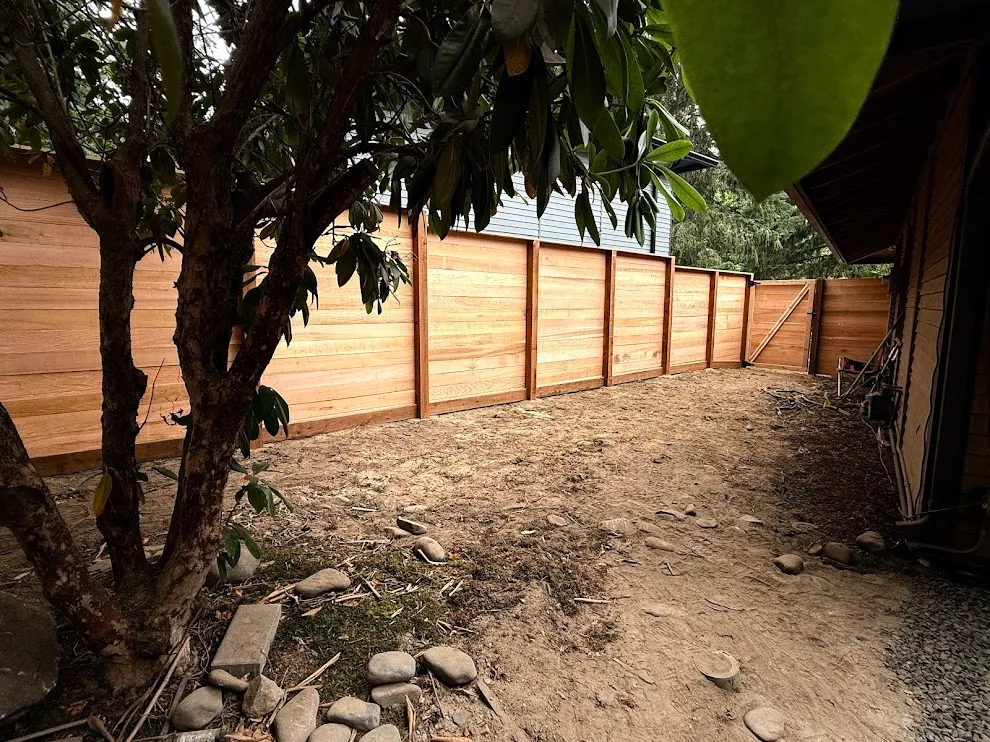
Choosing between wood fence vs vinyl fence in Puyallup usually comes down to a trade-off between the initial investment and long-term maintenance. Wood offers a classic look and natural beauty but requires regular upkeep to withstand the damp Pacific Northwest climate. Vinyl provides exceptional durability with almost zero maintenance, making it a time-saver over the decades. Monkey Fence has installed and repaired countless fencing systems throughout the South Hill and valley areas, observing exactly how these materials hold up against local moss, heavy rain, and seasonal temperature shifts.
This guide breaks down the performance and suitability of both materials to help property owners make an informed decision.
How Puyallup Climate Affects Fencing
The local weather in the Puyallup area presents specific challenges for any outdoor structure. The region receives significant annual rainfall, creating an environment where moisture-related deterioration is a primary concern for homeowners.
Wood is naturally porous and absorbs this moisture. Without proper staining or sealing, wood boards will eventually warp, rot, or become a breeding ground for moss and algae. The freeze-thaw cycles during winter can further exacerbate these issues, causing cracks in the material. Learn more about regional climate impacts on outdoor structures via The Spruce.
Vinyl is impervious to water. It does not rot, warp, or attract mold when installed correctly. The smooth surface makes it difficult for moss to take hold, allowing the rain to simply wash dirt away. This resistance to moisture makes vinyl a strong contender for properties in low-lying areas of Puyallup, where drainage might be slow.
Wood Fences
Wood remains the most traditional choice for fencing. Cedar and pressure-treated pine are the most common species found in local yards because of their availability and natural resistance to decay.
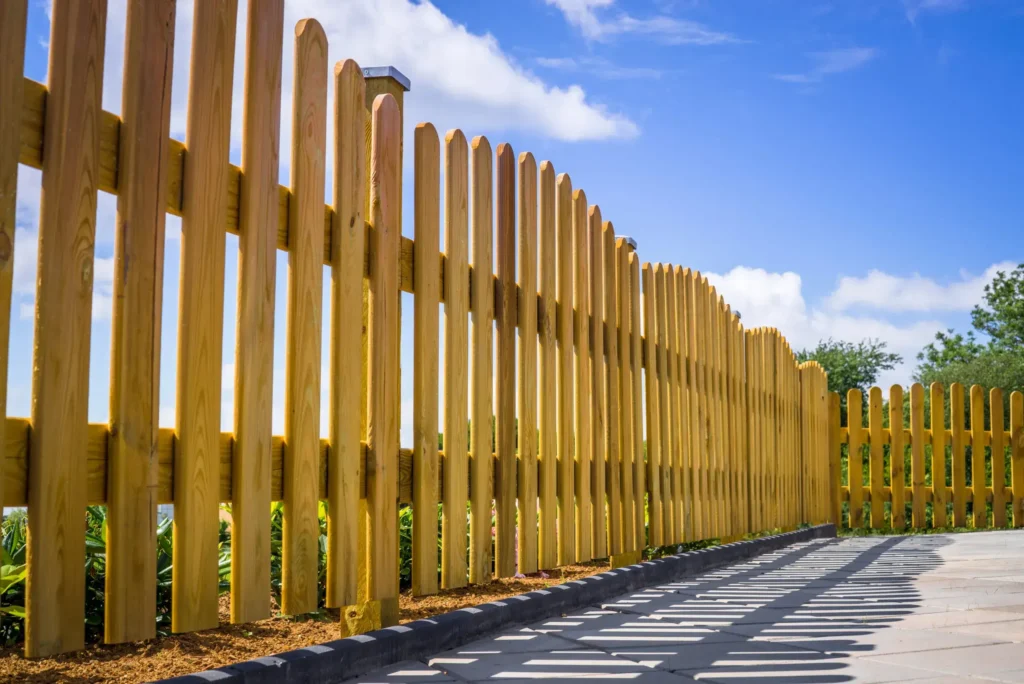
The aesthetic appeal of wood is its strongest selling point. Many homeowners prefer the organic look and texture that blends seamlessly with Puyallup’s lush greenery. Wood also offers versatility in design. It can be easily cut to custom heights or modified with unique post caps and lattice work that are difficult to replicate with vinyl.
However, the maintenance requirements are significant. Wood fences typically need to be cleaned and re-stained or painted every two to three years to maintain their appearance and structural integrity. If left untreated, the lifespan of a wood fence drops considerably.
Bonus Tip: For wood fences in this region, apply a clear waterproof sealant with a mildewcide component immediately after installation. This creates a barrier that prevents the wood from absorbing ground moisture during the wet season.
Vinyl Fences
Vinyl fencing has grown in popularity due to its “set it and forget it” nature. It is constructed from polyvinyl chloride (PVC) and often includes titanium dioxide additives that prevent yellowing from sun exposure.
The durability of vinyl is superior to that of wood in terms of weather resistance. It will not chip, peel, or blister. High-quality vinyl is engineered to withstand impacts, making it capable of tolerating high winds that occasionally sweep through the Puyallup Valley. For more details on material durability, visit HomeAdvisor.
The main drawback for many is the appearance. While manufacturers have improved textures to mimic wood grain, many people still feel it looks artificial. Additionally, color options are generally limited to white, tan, and gray, which may not suit every home’s exterior.
Bonus Tip: When cleaning vinyl fences, avoid using harsh chemicals or abrasive scrubbers. A simple solution of mild dish soap and water applied with a soft cloth or soft-bristle brush will remove most dirt and pollen without scratching the surface.
Material Comparison
The following table outlines the core differences between the two materials across key performance categories.
| Feature | Wood Fence | Vinyl Fence |
|---|---|---|
| Lifespan | 10-15 years (with maintenance) | 20-30+ years |
| Maintenance | High (staining, painting, repairs) | Low (occasional washing) |
| Weather Resistance | Susceptible to rot, warping, insects | Highly resistant to water and rot |
| Repairability | Individual boards easily replaced | Sections often require full replacement |
| Eco-Friendliness | Biodegradable, renewable resource | Plastic, less recyclable locally |
Things to Consider Before Making a Decision
Before selecting a material, several specific factors related to the property and neighborhood should be evaluated.
- Homeowner Association (HOA) Rules: Many neighborhoods in Puyallup have strict architectural guidelines. Always check the CC&Rs (Covenants, Conditions, and Restrictions) before spending money on materials.
- Property Lines and Setbacks: Understanding the exact property boundary is essential. A survey may be required to ensure the fence installation in Puyallup, WA does not encroach on a neighbor’s land or violate city setback requirements.
- Long-Term Plans: If the home is a “forever” residence, vinyl eliminates the hassle and cost of maintenance for decades. If you plan to sell soon, research how your local market views fencing value via Realtor.com.
Conclusion
Wood and vinyl fences both offer distinct advantages for Puyallup homeowners. Wood fits smaller budgets and provides a natural, classic look that complements the landscape. Vinyl offers a long-term solution that withstands rain and requires very little effort to keep looking new. The right choice depends on the specific desired appearance and willingness to perform maintenance over the years.
Get Professional Help
Deciding on materials is just the first step. Proper fence installation ensures the fence withstands local weather and lasts for years. For expert advice or a quote tailored to a specific property in Puyallup, contact Monkey Fence. Reach out via email at info@monkeyfence.com or call us at (425) 517-2355 to discuss options.
Sources
- The Spruce – A comprehensive resource for home improvement, landscaping, and exterior maintenance advice.
- Realtor.com – A source for real estate insights and tips on how different home improvements, such as fencing, impact property value.