
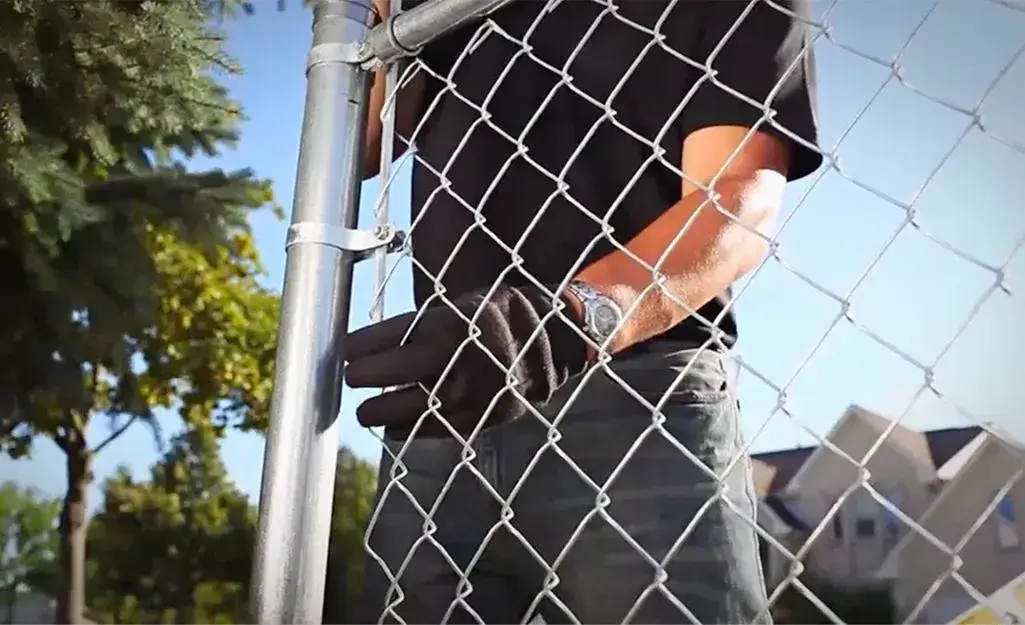
Fence height regulations vary by location and typically range from 4 to 6 feet for residential fences. Homeowners must check local zoning codes, HOA rules, and property lines before fence installation. Most cities require permits for fences over 6 feet, and front yard fences often have stricter height limits than backyards. Ignoring these rules can result in fines, forced removal, or costly modifications.
This guide explains the key regulations homeowners need to understand, from standard height limits to privacy fence permit requirements, and provides practical advice for navigating local rules. With extensive experience installing fences across different jurisdictions, this content offers practical insights based on real-world applications of local building codes.
Common Fence Height Standards
Most municipalities follow similar patterns for residential fence height restrictions, though specific numbers vary. Backyard fences generally allow taller structures than front yard fences. The typical maximum height for backyard privacy fences falls between 6 and 8 feet, while front yard fences usually cap at 3 to 4 feet. These limits exist to maintain visibility for traffic safety and neighborhood aesthetics.
Side yards present unique challenges. They often follow front yard restrictions along the street-facing portion and transition to backyard limits deeper into the property. The point where this change occurs depends on local building codes and property lines.
Bonus Tip: Always measure the proposed fence height from the finished grade level, not the existing ground level. Adding fill or landscaping after installation can push a compliant fence over the legal limit.
Typical Height Limits by Zone
| Fence Location | Common Height Limit | Typical Purpose |
|---|---|---|
| Front Yard | 3-4 feet | Decorative, boundary definition |
| Side Yard (street side) | 3-4 feet | Privacy near neighbor properties |
| Side Yard (rear side) | 6 feet | Privacy, security |
| Backyard | 6-8 feet | Privacy, security, pet containment |
| Swimming Pool Enclosure | 6 feet | Safety compliance |
Permit Requirements and When They Apply
Permit requirements depend heavily on fence height and location. Most municipalities do not require permits for fences under a certain height, typically 6 feet. However, exceeding this threshold almost always triggers the permit process. According to the International Association of Certified Home Inspectors, permits ensure structures comply with local zoning ordinances and safety standards InterNACHI.
The permit process usually involves submitting a site plan showing fence location, height, materials, and property lines. Some jurisdictions require neighbor notification or approval, especially for shared property lines. Planning departments review applications for compliance with setback requirements, which dictate how far fences must sit from property lines and sidewalks.
Regional Variation: In areas with high snowfall, such as the northern states, some local codes account for snow drift when calculating effective fence height. A 6-foot fence might be considered non-compliant if snow accumulation regularly adds another foot to the visible height above grade.
When Permits Are Typically Required
- Fences exceeding 6 feet in height
- Fences within designated historic districts
- Fences involving retaining walls or changes in grade
- Fences near street intersections are affecting visibility
- Fences enclosing swimming pools (additional safety requirements apply)
HOA and Deed Restrictions
Homeowners associations often impose stricter rules than local municipalities. HOA covenants may dictate specific materials, colors, styles, and heights that go beyond municipal minimums. These restrictions can limit fence heights to as low as 4 feet, even where local codes allow 6 feet.
Deed restrictions attached to property titles create another layer of regulation. These rules run with the land and bind all future owners. Checking both the HOA bylaws and title documents before starting any project prevents wasted effort and expense. Data from the Community Associations Institute shows over 74 million Americans live in communities with HOA rules, making this a common consideration for fence installations Community Associations Institute.
Bonus Tip: Request written approval from the HOA architectural review board before purchasing materials or scheduling installation. Verbal approvals hold little weight if disputes arise later.
Navigating HOA Approvals
- Review the association’s architectural guidelines before planning
- Submit detailed plans, including height, materials, colors, and placement
- Attend board meetings if clarification is needed
- Keep all written approvals and correspondence for records
- Consider neighboring properties and how the fence affects their views
Property Line and Setback Considerations
Fences built directly on property lines create potential disputes. Many jurisdictions require fences to be set back 1-2 feet from the actual property line, though shared boundary fences between cooperative neighbors are common options. Installing a fence on the wrong side of a line can force removal at the homeowner’s expense.
Professional surveys provide the most accurate property line information. Existing markers, fences, or landscaping do not always indicate true boundaries. Discrepancies between surveys and physical features occur frequently, especially in older neighborhoods where previous owners may have made errors.
Market data from the American Housing Survey indicates that fence disputes rank among the top five neighbor conflicts nationwide, highlighting the importance of accurate boundary verification by the U.S. Census Bureau.
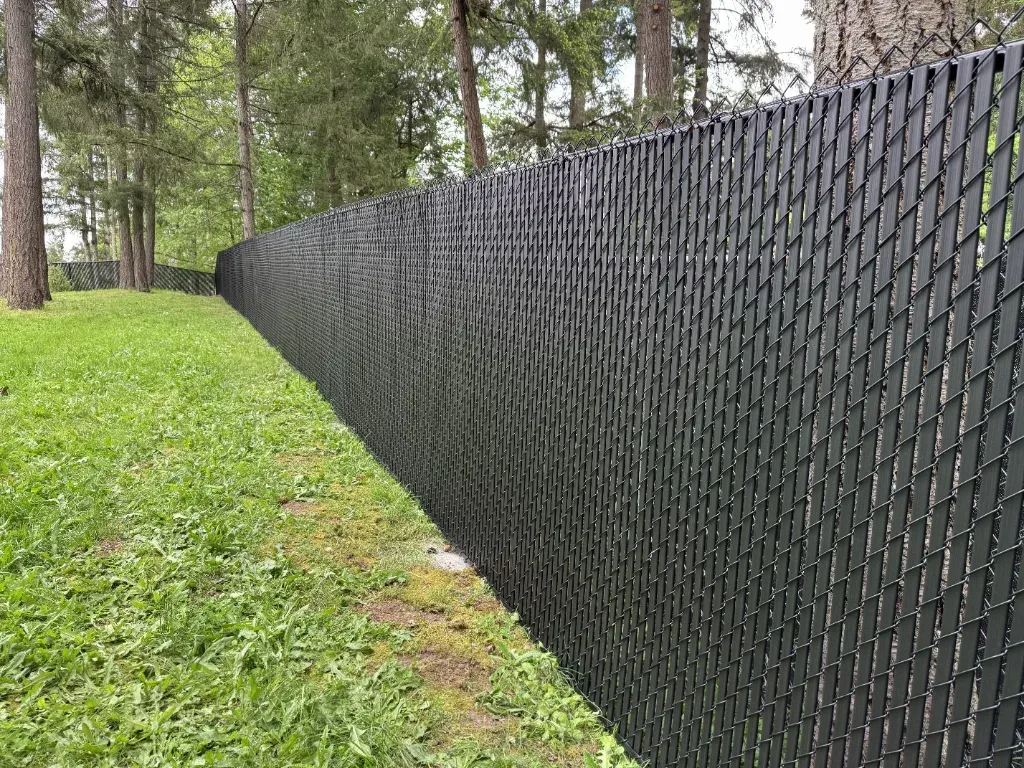
Setback Requirements by Property Type
| Property Type | Front Setback | Side Setback | Rear Setback |
|---|---|---|---|
| Residential Corner Lot | 20-30 feet | 5-10 feet | 0-5 feet |
| Residential Interior Lot | 15-25 feet | 0-5 feet | 0-5 feet |
| Multi-Family | 25-40 feet | 10-20 feet | 5-10 feet |
Things to Consider Before Making a Decision
Before investing in a new fence, several factors warrant careful consideration. Climate affects material durability and maintenance requirements. Wooden fences in humid coastal regions need regular sealing and staining to prevent rot, while aluminum or vinyl options perform better in these environments. Freeze-thaw cycles in northern climates can crack concrete footings if not installed below the frost line.
Future plans for the property should influence fence decisions. Installing a pool later might trigger different fencing requirements. Large trees near fence lines can damage structures as roots grow and branches sway. Underground utilities require marked clearance before digging begins, regardless of fence height.
Bonus Tip: Call 811 or the local utility marking service at least 48 hours before digging. This free service marks underground gas, electric, water, and communication lines, preventing dangerous accidents and service interruptions.
Conclusion
Understanding fence height regulations prevents costly mistakes and neighbor disputes. Most homeowners face limitations between 4 and 8 feet, depending on yard location, with front yards having the strictest controls. Checking local zoning codes, HOA rules, and property lines before starting any project remains essential. Permits become necessary when heights exceed standard limits, and professional surveys provide the most accurate boundary information.
Evaluate specific needs against local requirements rather than assuming all areas follow the same rules. Climate, neighborhood character, and future property plans all influence the best approach. Taking time to research regulations upfront saves time, money, and frustration in the long run.
Need Professional Help With Your Fence Project?
For homeowners needing assistance navigating local fence regulations or professional installation services, Monkey Fence provides expert guidance tailored to specific property requirements. Contact our team at info@monkeyfence.com or call (425) 517-2355 to discuss fencing needs and ensure compliance with all applicable codes and restrictions. Our experienced professionals can help avoid common pitfalls and ensure a smooth installation process from start to finish.
Sources
- InterNACHI – International Association of Certified Home Inspectors, providing comprehensive fence standards and inspection guidelines
- Community Associations Institute – National organization providing statistics and resources about homeowners associations and community governance
- U.S. Census Bureau – American Housing Survey provides authoritative data about housing characteristics and homeowner experiences nationwide
Frequently Asked Questions
Are temporary construction fences subject to height regulations?
Temporary fences for construction projects follow different rules from permanent installations. Most cities allow construction fencing up to 8 feet regardless of standard residential limits, but these structures require removal within a specified timeframe, typically 30-180 days after project completion.
Do corner lots have different rules?
Corner lots face additional restrictions to maintain visibility at intersections. Most jurisdictions prohibit fences taller than 3-4 feet within a “sight triangle” measured from the corner. These visibility triangles ensure drivers can see cross traffic when pulling out.
Can I increase the fence height for privacy from a second-story window?
Some jurisdictions allow taller fences near two-story homes to maintain privacy from upper-level windows. These variances require additional approval processes and may involve specific design requirements like lattice or openwork above a certain height. Approvals depend on neighborhood compatibility and impact on adjacent properties.
What are the rules for swimming pool fences?
Pool fencing requires specific safety measures beyond standard height requirements. Most codes mandate 4-foot minimum heights with self-closing, self-latching gates. Horizontal bars must prevent climbing, and gaps between pickets usually cannot exceed 4 inches. These safety-focused rules often supersede general residential fence requirements.
Do agricultural properties have different restrictions?
Properties zoned agricultural often follow different fence standards than residential zones. Agricultural fences for livestock containment typically have fewer height and style restrictions. However, properties transitioning from agricultural to residential use must comply with current zoning requirements, not historical exceptions.