
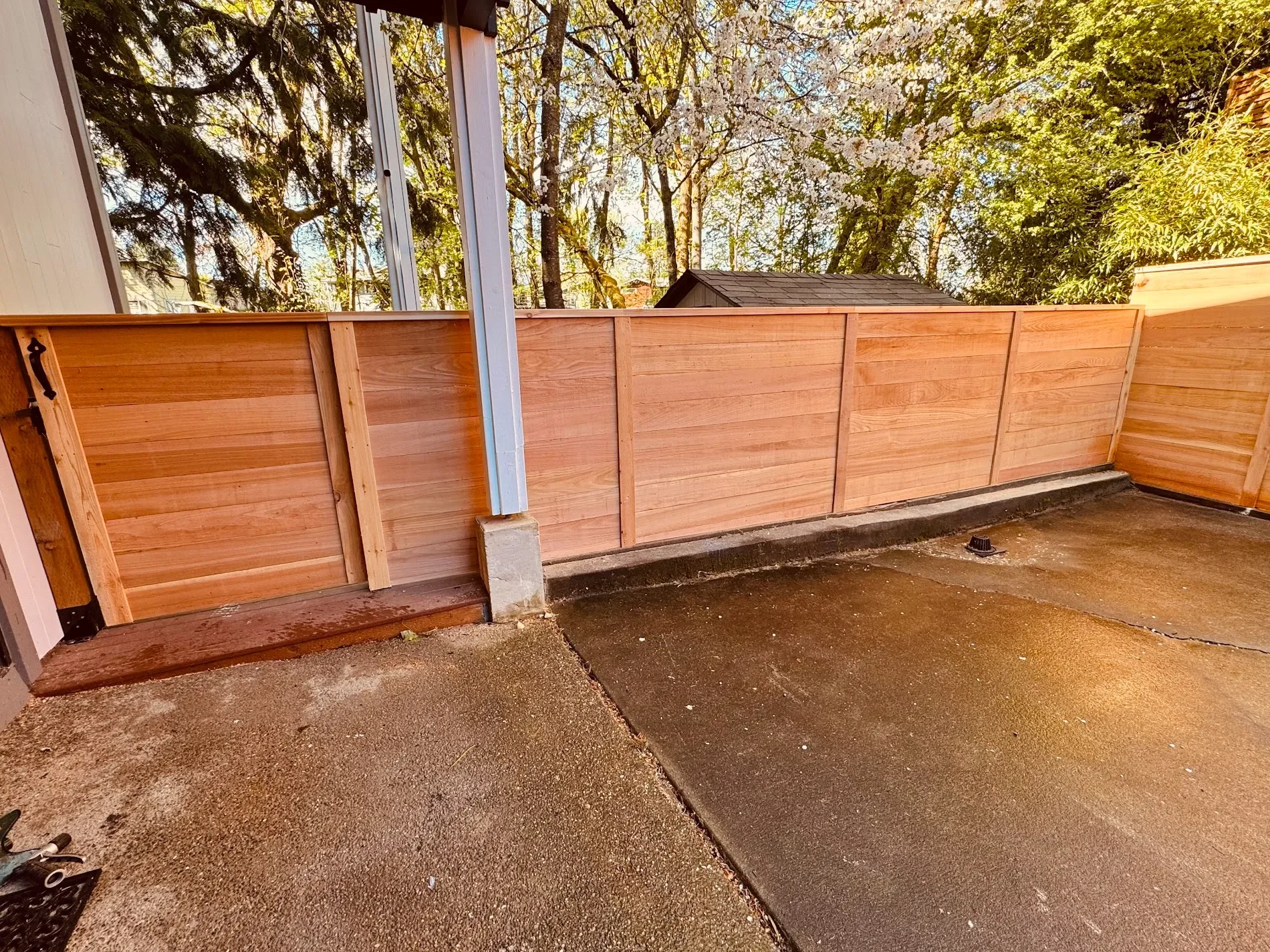
Exterior fence color and finish determine whether a boundary wall blends into the backdrop or stands out as a focal point. In Yelm, Washington, wood surfaces face heavy winter rain, cloudy skies, and dry summer heat. Choosing the right surface shade and protective sealant preserves structural wood fibers, highlights building architecture, and gives the perimeter a clean look.
Property owners who work with seasoned fencing installers in Yelm, WA understand that outdoor boundary elements define the initial impression of a home. Monkey Fence brings hands-on field experience building and treating perimeters throughout the Nisqually Valley. Selecting the right product shields your boundary from premature decay while giving your grounds balanced visual appeal.
Visual Harmony and Surrounding Environment
The natural environment around Yelm includes dark green evergreen canopies, golden prairie brush, and open sky views. A boundary line should match both the natural backdrop and your home’s exterior trim. If you install an unfinished wood structure, Pacific Northwest precipitation soon turns cedar or fir into a splotchy, dark gray surface within twelve to eighteen months.
Applying deliberate finishes and colors creates balanced residential fence aesthetics across your yard. Darker stains like deep slate or espresso produce an illusion of greater yard depth by receding into forested property lines. Golden tones and warm honey stains draw attention directly to your perimeter boundaries by catching soft Pacific Northwest sunlight. Our fence selection guide can help you compare styles and find an option suited to your property.
A 2023 outdoor project survey published by the National Association of REALTORS® noted that 92 percent of real estate professionals recommend upgrading curb appeal before selling a property. The same report revealed that 97 percent of surveyed agents believe attractive outdoor presentation directly attracts buyers. A fresh, deliberate perimeter appearance gives potential buyers confidence that the rest of the property has received thorough preventative upkeep.
- Bonus Tip 1: Paint or stain fence test patches on an out-of-sight section before coating the full perimeter. Colors look noticeably darker under wet, overcast winter skies than under direct summer sun.
Popular Palette Selections for Local Homes
Property layout and neighborhood architecture dictate which shades work best. Modern farmhouses around Yelm look striking with crisp white posts, dark charcoal infill boards, or solid black accents. Traditional craftsman structures and rural acreage lots look best with warm amber finishes that highlight natural grain patterns in Western Red Cedar.
Evaluating diverse fence color options helps you align fence lines with existing window trim, siding, and roofing colors. Light tan stains make small suburban backyards appear wider and brighter on overcast days. Forest greens and subtle olive washes soften stark boundary lines against open pastures.
| Tone Category | Recommended Exterior Pairings | Light Reflectance | Maintenance Interval |
|---|---|---|---|
| Natural Honey Cedar | Red cedar siding, stone accents, rustic timber | Medium-High | 2 to 3 years |
| Dark Espresso Brown | Modern farmhouse, cream siding, evergreen borders | Low | 3 to 4 years |
| Matte Charcoal Black | Modern designs, metal roofs, bright foliage | Very Low | 4 to 5 years |
| Warm Walnut Wash | Neutral earth-tone houses, brick facades, open lots | Medium | 3 to 4 years |
| Solid White Enamel | Classic cottage styles, formal picket perimeters | High | 2 to 3 years |
- Bonus Tip 2: Semi-transparent stains containing iron oxide pigments offer superior ultraviolet shielding compared to clear sealants while still displaying natural wood texture.
How Does Finish Selection Change Property Value
The finish you place on timber dictates both its service life and its visual cleanliness. Research conducted by the US Forest Service Forest Products Laboratory showed that penetrating semi-transparent oil stains resist moisture penetration and prevent wood checking far longer than clear water-repellent sealants. Clear coats lack pigments, which leaves underlying wood lignin exposed to solar breakdown and fast graying.
Selecting suitable fence finish types requires evaluating three primary choices:
- Clear Sealers: Water-repellent sealers repel liquid moisture but leave wood exposed to solar ultraviolet radiation. These require recoating every year to prevent rapid graying.
- Semi-Transparent Stains: Penetrating formulas soak directly into wood pores. They offer colored pigments that block solar rays while highlighting distinct wood growth rings. These will not peel or blister.
- Solid Acrylic Stains and Paints: Solid coatings form an opaque shield across wood surfaces. They hide grain variations, deliver uniform coverage, and protect older lumber from weather stress.
When moisture becomes trapped underneath film-forming paints, moisture blisters form, leading to peeling sheets during spring thaw cycles. Penetrating stains eliminate this issue by allowing damp wood fibers to breathe. Monkey Fence technicians select premium penetrating formulas designed to handle intense Pacific Northwest precipitation cycles.
Things to Review Before Updating Your Enclosure
Before buying supplies or choosing an exterior paint swatch, analyze several structural and environmental factors:
- Lumber Age and Moisture Content: Fresh wood fencing requires time to dry out. Applying sealers to wet lumber locks moisture into the core, triggering internal rot. Use a hand-held moisture meter to confirm wood moisture registers below 18 percent.
- Neighboring Boundary Lines: In residential developments, double-sided fences border neighbor lawns. Ensure chosen colors do not violate homeowner association codes or clash with neighbor properties.
- Sun Exposure: South-facing fence runs receive intense sun during summer months. These runs require finishes with strong ultraviolet inhibitors to prevent rapid fading.
- Proximity to Sprinklers: Lawn irrigation hitting painted wood leaves chalky white mineral spots. Position spray heads away from your perimeter boards.
- Bonus Tip 3: Clear heavy organic brush and leaf debris away from the base of fence pickets. Ground contact retains moisture, which causes uneven discoloration along lower boards.
Long Term Value of Proper Fence Care
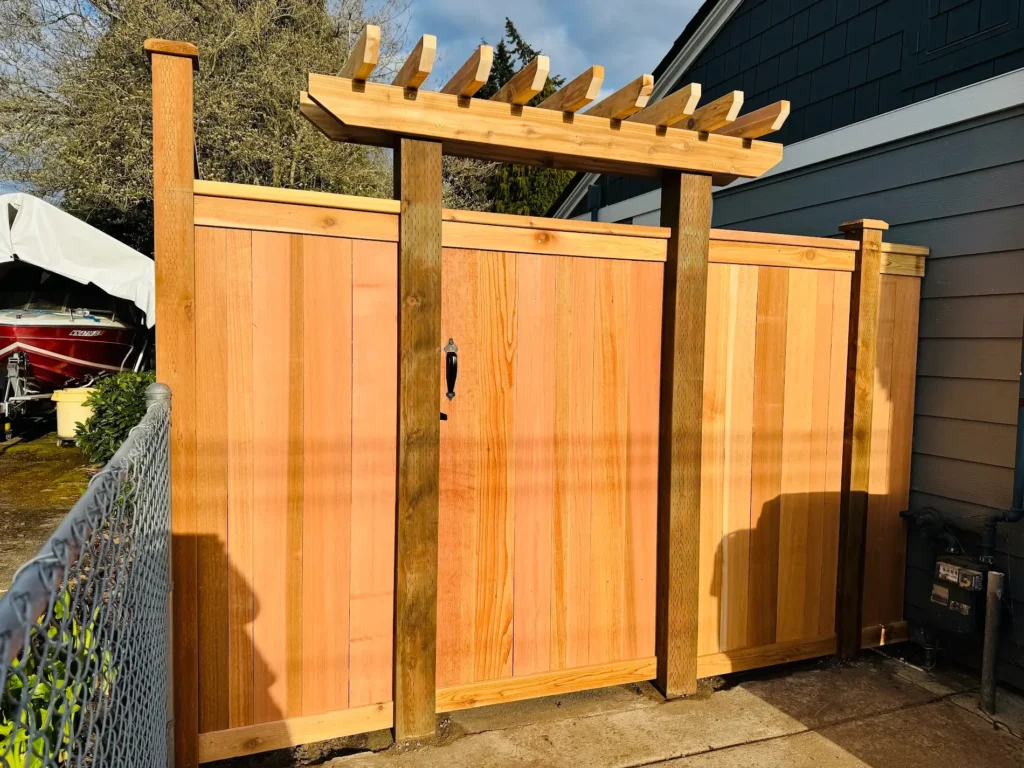
Choosing an appropriate tone and finish protects your property investment while elevating overall visual presentation. Darker stains emphasize yard edges, while warm cedar hues provide classic Pacific Northwest charm. Periodic cleaning and timely reapplication keep boards looking clean for decades.
Consulting experienced fence builders in Yelm WA ensures your perimeter boards receive the right surface treatment for local weather conditions. Take time to assess your architecture, review sun exposure, and select a finish that protects your wood investment for years to come.
Request an Estimate for Your Property
Planning a new perimeter project or refreshing an older boundary fence? Monkey Fence delivers expert installation and custom boundary solutions tailored to the Yelm climate. We help you choose proper styles, lumber grades, and protective finishes for your home. Contact us today by phone at (425) 517-2355 or send an email to info@monkeyfence.com to discuss your project and receive a free quote from our team.
Common Inquiries Regarding Fence Staining and Painting
How Soon Should New Cedar Fences Be Stained
Allow new cedar pickets two to six weeks to dry completely. Staining wet wood traps internal dampness, which creates peeling stains, mold expansion, and premature structural fiber decay across perimeter boards.
Does Dark Fence Stain Make Backyards Look Smaller
Dark stain colors blend into background vegetation, making property perimeters recede from view. This visual effect can actually make outdoor spaces appear more expansive than fences painted in bright, reflective colors.
How Often Must Fences Be Restrained In Washington
Plan to reapply penetrating stain finishes every two to four years. Annual rainfall in western Washington washes away surface protection faster than in dry climates, necessitating consistent reapplication schedules for wood.
Is Staining Better Than Painting For Exterior Wood
Penetrating stains breathe naturally and will never peel, bubble, or blister under heavy rainfall. Paint forms a surface film that cracks easily when wood boards naturally swell and shrink with weather.
Will Bleach Water Remove Black Mildew From Fencing
Wash mildew-stained pickets with a mild solution of oxygen bleach and warm water. Avoid high-pressure washing because aggressive water jets gouge softwood fibers and create rough, uneven surface splinters.
Sources
- US Forest Service Forest Products Laboratory – Research paper detailing the weathering performance and durability of exterior wood finishes in Pacific Northwest climates.
- National Association of REALTORS® – Research report evaluating the curb appeal value and return on investment for outdoor residential remodeling projects.