
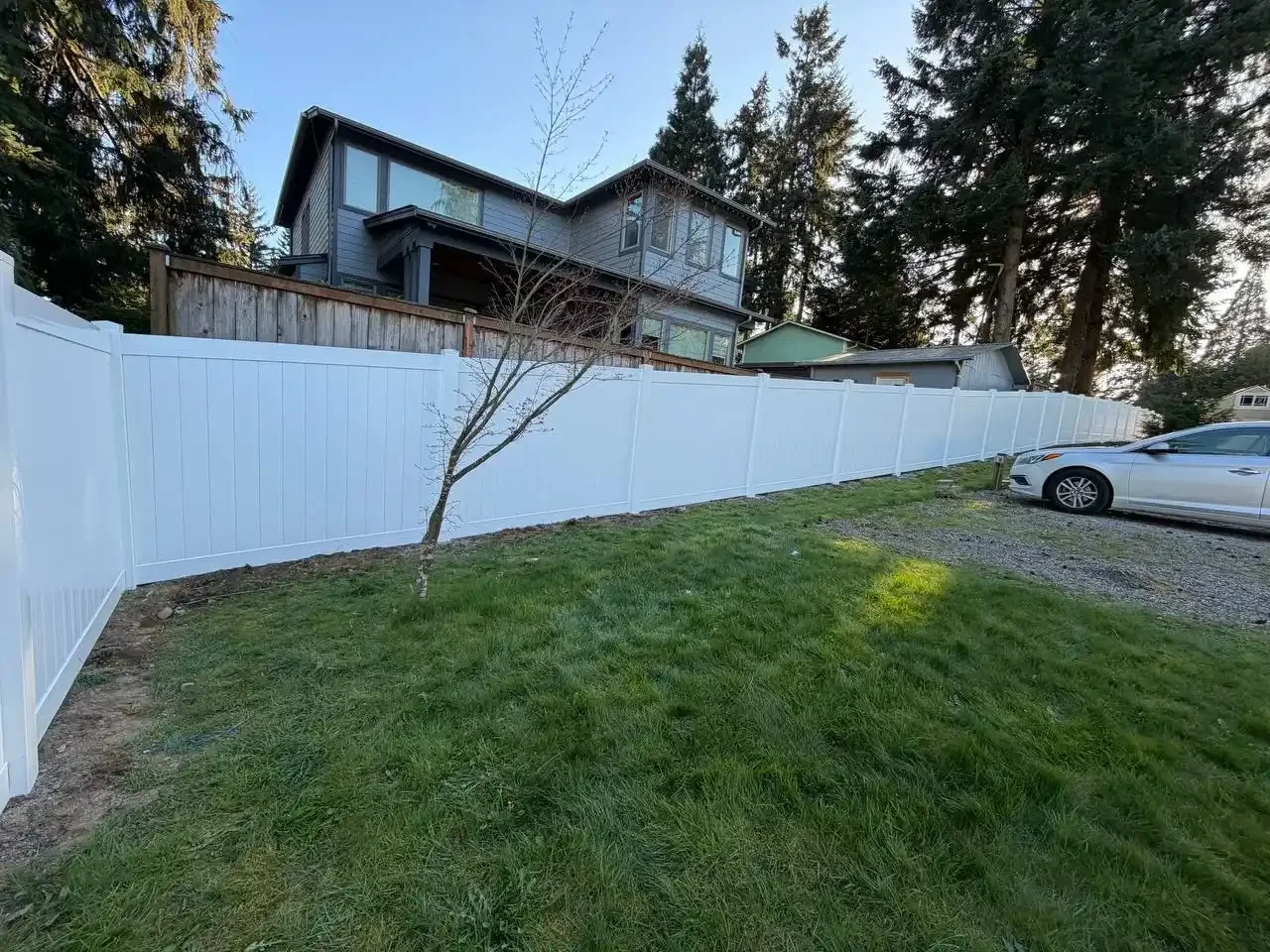
A privacy fence installation defines your outdoor space, blocks unwanted views, and adds a layer of safety to your property. Choosing the right style and material creates a lasting barrier that balances your need for quiet enjoyment with the specific requirements of your local environment.
- Selection of durable materials directly affects the lifespan, maintenance needs, and visual appeal of your new backyard barrier project.
- Proper planning, including property line verification and local permit checks, ensures you avoid costly legal issues before construction begins.
- Investing in high-quality installation techniques guarantees your structure withstands wind, weather, and physical pressure for many years of use.
- Strategic placement maximizes your yard’s usable area while creating a comfortable, secluded retreat away from neighbors or busy street traffic.
Understanding Your Needs
Before selecting wood, metal, or vinyl fence, think about why you want a fence. Is your primary goal sound reduction, blocking a neighbor’s line of sight, or keeping pets contained? Defining your goals early prevents overspending on features you do not need.
The Role of Property Lines
Always start with a professional survey. Many homeowners assume they know where their property ends, but even a few inches of encroachment can lead to legal demands to move or dismantle a finished fence.
- Check Local Regulations: Many municipalities have height restrictions for front versus back yards.
- HOA Guidelines: If you live in a managed community, check your bylaws for approved colors, materials, and styles.
Choosing the Right Privacy Fence Height
Fence height should match the level of privacy and security you need. A shorter fence may define the yard without making the space feel enclosed, while a taller fence can block views from nearby homes or busy roads.
Check local height restrictions before choosing your panels. You should also consider nearby trees, decks, windows, and other structures that may affect how much privacy the fence actually provides. Planning these details in advance helps you choose a height that provides useful coverage without creating unnecessary installation or compliance issues.
Selecting the Right Materials
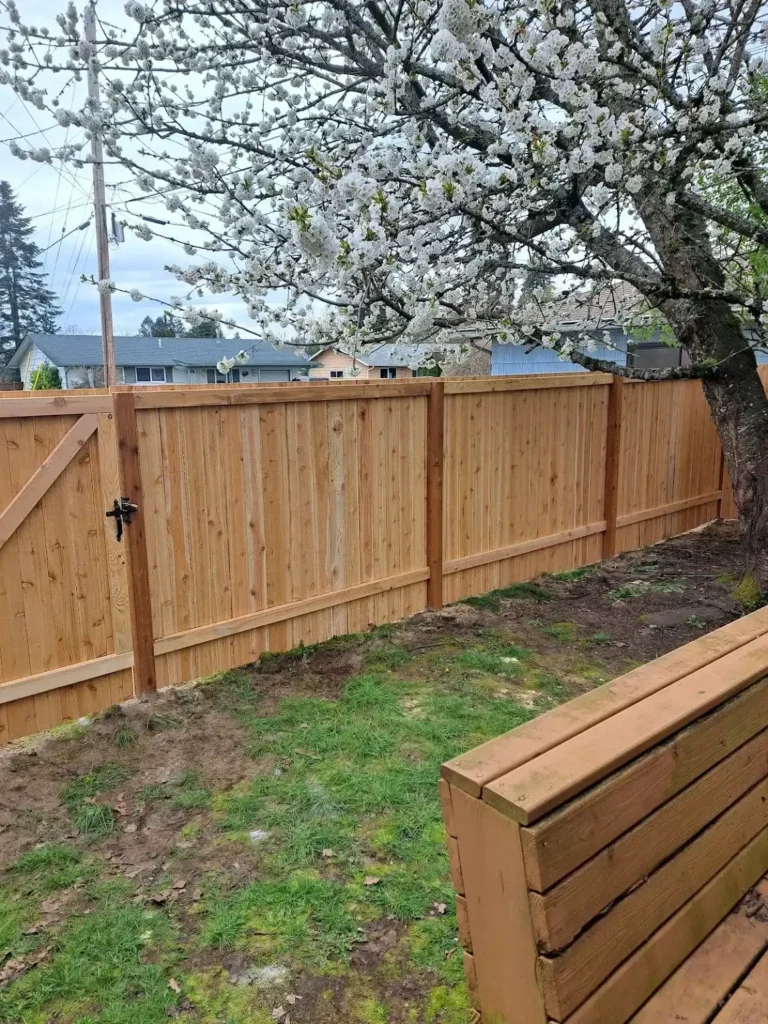
Material choice determines how much time you will spend on upkeep. Wood offers a classic look but requires staining or sealing. Vinyl provides a clean appearance with minimal maintenance. Metal offers strength and traditional aesthetics.
| Material | Maintenance | Lifespan | Typical Cost |
|---|---|---|---|
| Cedar/Wood | Moderate | 10-15 Years | Low to Medium |
| Vinyl | Low | 20+ Years | Medium to High |
| Aluminum | Very Low | 30+ Years | High |
| Chain Link | Low | 15-20 Years | Low |
Wood
Cedar and redwood are popular because they naturally resist rot and insects. While pressure-treated pine is budget-friendly, it may warp if not maintained.
Vinyl
Vinyl is a synthetic choice that will not splinter, rot, or fade significantly over time. It is an excellent option for those who want a “set it and forget it” solution.
Aluminum
Aluminum provides the look of wrought iron without the rust concerns. It is often chosen for security where maintaining a clear view is still desired.
Key Takeaways: Material Selection: Choose based on your long-term commitment to maintenance. If you dislike staining, avoid wood. If you live in a high-wind area, consult with privacy fence installation experts to ensure your material can handle the load.
The Installation Process
Successful privacy & security fencing relies on structural integrity. If posts are not set correctly, the fence will lean or collapse over time.
Step 1: Layout and Digging
Use stakes and string lines to mark exactly where the fence will sit. Once marked, check for underground utilities. Dial 811 to have lines marked for free. Dig holes deep enough to reach below the frost line in your area to prevent the posts from heaving during winter.
Step 2: Setting Posts
Concrete is the standard for securing posts. Ensure each post is plumb, which means perfectly vertical. Even a slight lean will be amplified as you attach panels.
Step 3: Attaching Panels
Once the concrete cures, which usually takes 24 to 48 hours, attach rails and pickets or panels. Using exterior-grade screws or galvanized nails prevents rust spots from bleeding onto your fence.
- Expert Tip: Use gravel at the bottom of the post hole before adding concrete. This allows water to drain away from the post base, which significantly slows rot in wood posts.
Planning Gates and Access
A privacy fence should include convenient access points that fit the way you use your property. Consider whether you need a pedestrian gate, a wider opening for vehicles, or both.
Gate placement should account for driveways, walkways, landscaping, and outdoor structures. Gates also need strong support because repeated movement puts additional pressure on the posts and hardware. Choose hinges and latches that match the gate’s size and weight, and make sure the finished gate opens and closes without dragging against the ground.
Market Trends and Benefits
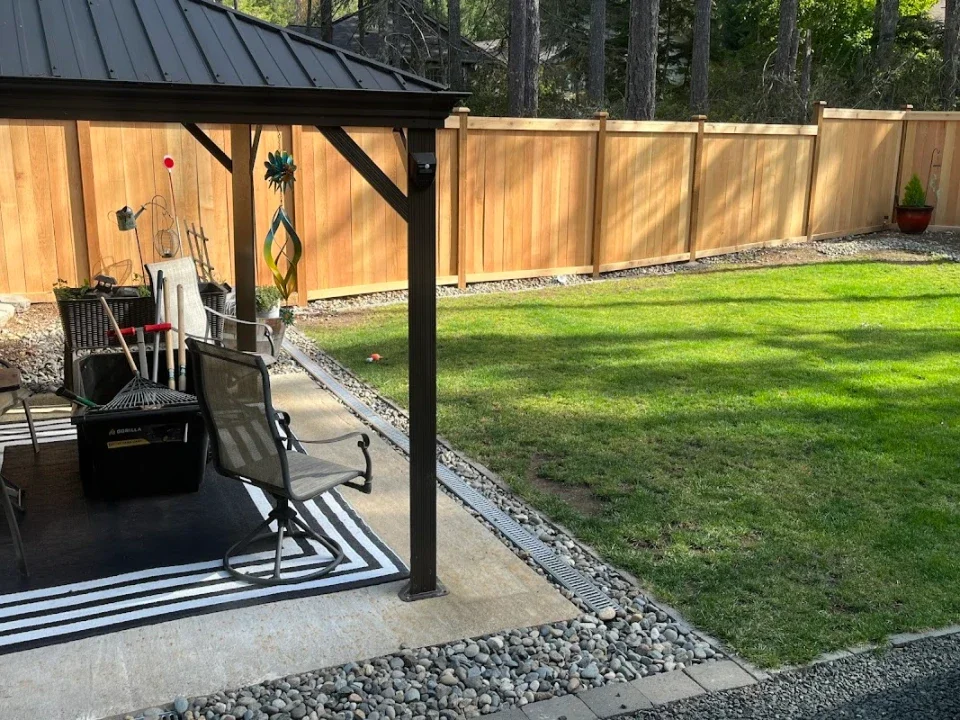
Data from the American Fence Association suggests that adding a well-designed fence can improve property utility and perceived value. Many homeowners report that investing in professional-grade barriers creates a sense of safety, which is a major driver in the residential construction market.
Recent market studies show that the demand for high-quality outdoor living spaces has grown consistently, with fence installation often seeing an ROI between 50% and 70% in curb appeal and functionality of HomeAdvisor.
Common Challenges and Solutions
Working with sloped land is a frequent issue. You must decide whether to “step” the fence, following the terrain in increments, or “rack” it, following the slope smoothly.
- Wind Loads: In open areas, wind can push over solid privacy fences. Consider a shadowbox privacy fence design or adding wind gaps if you live in an exposed area.
- Rot and Decay: Ground contact is the enemy of wood. Ensure the wood used for posts is rated for direct soil contact.
Key Takeaways: Installation Success Use the right depth for your climate, maintain plumb posts, and account for your local wind conditions. If you are unsure about terrain, consult privacy fence installers to prevent structural failure.
Putting Your Privacy Fence Strategy into Action
A privacy fence is a long-term investment that shapes how you experience your home. By choosing durable materials, verifying your boundaries, and following proper installation techniques, you ensure the structure remains a functional asset for years. Use this guide to manage each phase of the project, from your initial layout to the final post setting. With the right preparation, your project will provide the security and peace you need.
Need Expert Guidance?
If you want to ensure your project is completed with precision, reaching out to professionals can save time and prevent errors. Monkey Fence provides expertise for those looking to secure their property with high-quality, long-lasting solutions. For a free consultation or to discuss your specific site conditions, call (425) 517-2355 or send an email to info@monkeyfence.com to start planning your build.
Frequently Asked Questions About Privacy Fence Installation
Do I need a permit for my new fence?
Most cities require a permit if the fence exceeds a certain height, often 6 feet. Contact your local planning department to verify before you buy materials.
How deep should my fence posts go?
Generally, one-third of the post length should be below ground. In colder climates, you must dig below the frost line to prevent the ground from pushing the posts upward.
Can I install a fence on the property line?
You can, but it is often better to place the fence a few inches inside your line. This allows you to maintain both sides of the fence without needing to step onto your neighbor’s property.
How do I handle a neighbor who opposes the fence?
Open communication is best. Share your plans and, if necessary, show them the survey markers. Sometimes sharing the cost of a fence that sits exactly on the property line is an option if both parties agree.
What is the most durable privacy fence material?
Vinyl and aluminum generally offer the longest lifespan with the least amount of maintenance compared to natural wood products.
How often should I stain my wood fence?
If you use a high-quality stain, you should expect to reapply every 2 to 3 years to keep the wood protected from moisture and UV damage.
Sources
- American Fence Association – A leading industry resource providing professional standards and information for the fencing industry.
- HomeAdvisor – A platform offering home improvement data, including cost estimates and ROI trends for various home projects.