
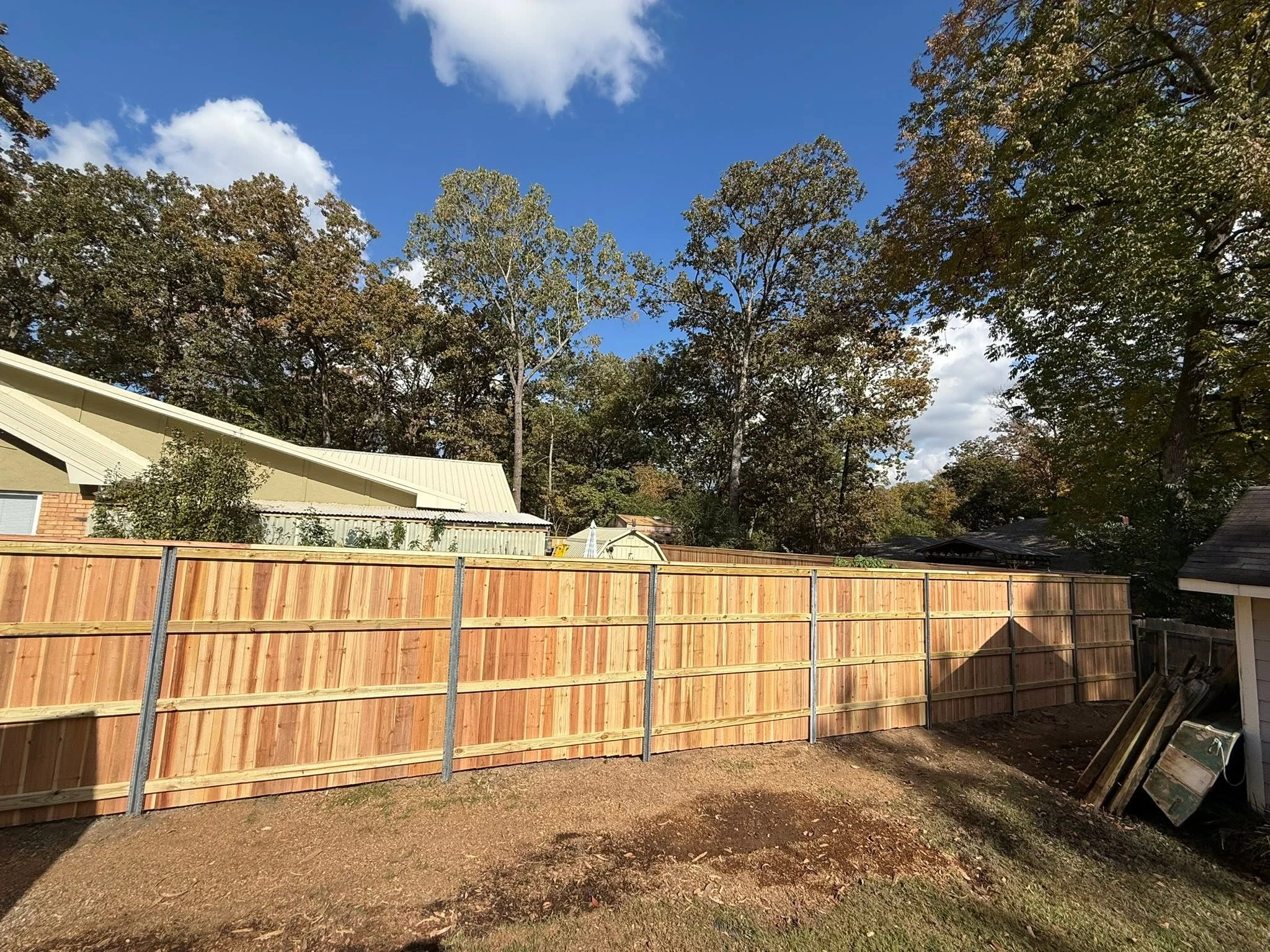
The best residential fence ideas match the existing lines, colors, and materials of your home while meeting your needs for privacy, safety, and clear boundaries. Modern homes benefit from clean, horizontal lines, while historic properties look best with classic vertical pickets or ornamental steel designs. Choosing the right design depends on architectural lines, matching materials, and choosing heights that blend with your property.
We will cover how different designs fit various home styles, analyze different materials, and help you select the ideal option for your yard. Monkey Fence has years of hands-on installation experience, and we have prepared this guide to help you make an informed decision for your property.
Modern Fencing Trends for Contemporary Homes
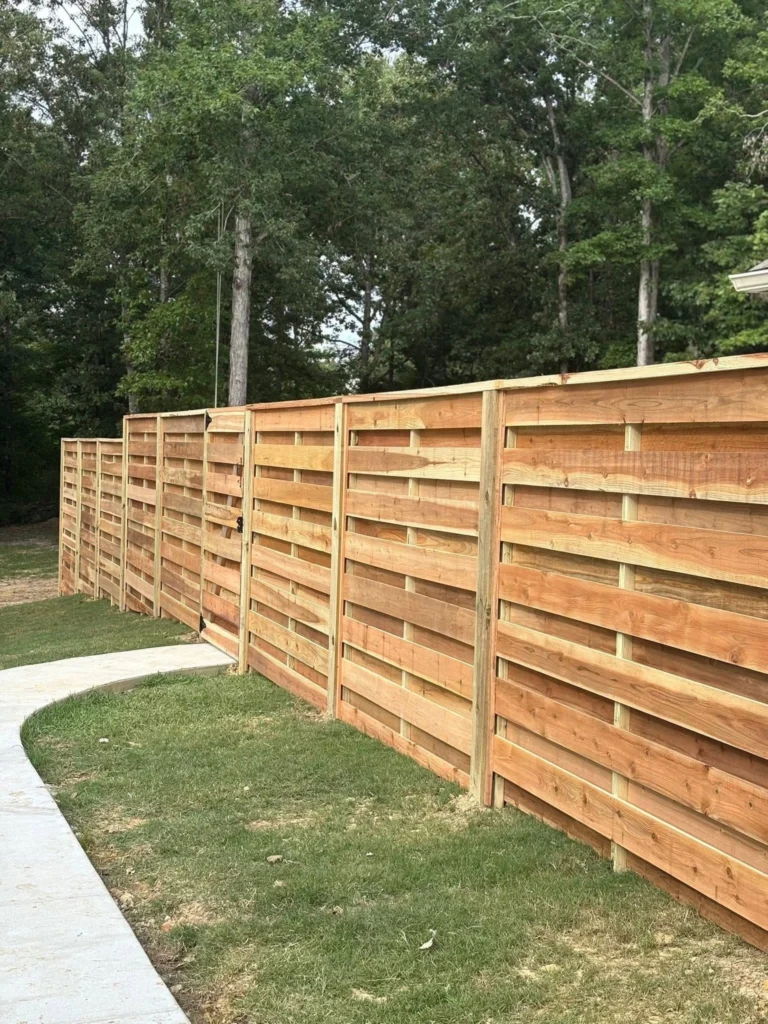
Modern architecture focuses on flat roofs, large windows, and sharp geometric shapes. Horizontal fences match these structures beautifully, drawing the eye along the perimeter and making smaller yards feel wider. Using dark stains, black metal posts, or composite panels creates a striking border around your lawn.
A report from FenceTrac shows that modern mixed-material fences are highly valued as permanent upgrades, raising property appraisals compared to basic pressure-treated wood. Homeowners frequently pair cedar boards with steel frames to achieve a sleek, industrial appearance that stands out.
Bonus Tip: When installing horizontal boards, leave a space of at least one-quarter inch between each panel to allow airflow, which reduces wind resistance and keeps your posts stable during heavy windstorms.
Classic Designs That Fit Traditional Properties
Craftsman, Colonial, and Victorian homes require traditional privacy fencing designs to maintain their classic appeal. Vertical picket fences, whether painted white or left in natural wood tones, provide a friendly, classic look for front yards. These styles define boundaries without blocking views.
For larger traditional homes, ornamental metal fencing adds historic elegance and strong security without blocking your view. These designs work well for estate-style properties, framing your gardens and trees while keeping your pets and children safe inside.
Bonus Tip: Apply a high-quality water-repellent sealant to the end grains at the bottom of your wood pickets, because these bottom ends absorb moisture from grass and soil faster than the rest of the board.
Which Materials Offer the Best Performance and Style?
Selecting the right material is just as important as choosing the design, because your choice determines how much work you will do to maintain the structure over time. Wood offers a natural look but requires regular staining, while vinyl and aluminum offer long-lasting durability with minimal effort.
According to a pricing guide from HomeGuide, adding a quality fence installation typically provides a 50 percent to 70 percent return on investment, making it an excellent way to build property value. Choosing a material that matches both your home’s design and your personal schedule ensures your perimeter remains attractive and functional for decades.
The table below outlines how popular materials compare in terms of upkeep, durability, and style suitability:
| Material | Upkeep Level | Average Lifespan | Architectural Compatibility |
|---|---|---|---|
| Cedar Wood | High | 15 to 20 years | Craftsman, Rustic, Traditional |
| Vinyl PVC | Low | 20 to 30 years | Suburban, Colonial, Modern |
| Aluminum | Low | 30 to 50 years | Traditional, Victorian, Estate |
| Composite | Low | 25 to 30 years | Contemporary, Minimalist, Modern |
Standard industry guidelines from the American Fence Association suggest that choosing high-durability materials like vinyl or aluminum fence installation can reduce long-term maintenance costs. Our specialists at Monkey Fence can help you select a material that balances these maintenance requirements with your aesthetic preferences.
Key Factors to Evaluate Before Selecting a Style
Before choosing a design, check your local homeowner association rules and municipal codes, as many neighborhoods limit fence heights and material choices. Some areas allow only specific materials or require you to face the finished side of your fence outward toward your neighbors.
You also need to evaluate your property terrain and soil conditions. Sloped yards require a stepped design or a racked installation, which affects the overall look and cost of your project.
Finally, balance your privacy needs with your desire for curb appeal. Tall, solid privacy structures work best for backyards, while open picket or metal fences keep your front yard open and welcoming.
Achieving the Ideal Balance of Beauty and Security
Selecting the perfect residential design requires balancing your daily functional needs with your home’s unique architectural style. The right choice will boost your curb appeal, protect your loved ones, and provide a strong return on your investment.
We recommend evaluating your backyard layout, checking your local zoning regulations, and identifying your main goals before starting your build. Taking these steps ensures that your finished project is beautiful, durable, and fully compliant with local rules.
Request Your Free Quote Today
We can help you choose and install the perfect fence for your property. Our team provides high-quality craftsmanship, reliable materials, and competitive pricing for your residential projects. Contact us at (425) 517-2355 or email info@monkeyfence.com to discuss your design plans with our experts. Get in touch with Monkey Fence today for your free quote and let us build a durable perimeter that fits your budget.
Common Questions About Residential Fence Selection
How high can a residential fence be on a property line?
Most municipalities limit backyard fences to six feet in height and front yard fences to four feet, but you must check your local building codes and HOA rules for specific restrictions.
Which fencing material lasts the longest with the least upkeep?
Aluminum and high-grade vinyl are the longest-lasting options, requiring only occasional rinsing with water and soap to maintain their appearance without warping, rusting, or rotting.
Does a new fence add resale value to a home?
Yes, a professionally installed fence can boost your home value by up to five percent, providing a strong return on investment while making your property more attractive to future buyers.
Can I install a fence on a sloped yard?
Yes, you can use either a stepped method, where each section is level but drops down like stairs, or a racked method, where the rails follow the ground slope.
What is the best way to prevent wood fence posts from rotting?
Set your wood posts in concrete with a gravel base for drainage, and slope the concrete dome at the surface to direct water away from the wood.
Sources
- FenceTrac – Manufacturer of modern, hybrid fencing systems utilizing mixed materials for long-term durability.
- HomeGuide – A leading home improvement resource providing detailed pricing guides, cost estimates, and ROI data for residential projects.
- American Fence Association – The largest professional association representing the fence, deck, and railing industry, offering standards and maintenance guides.