
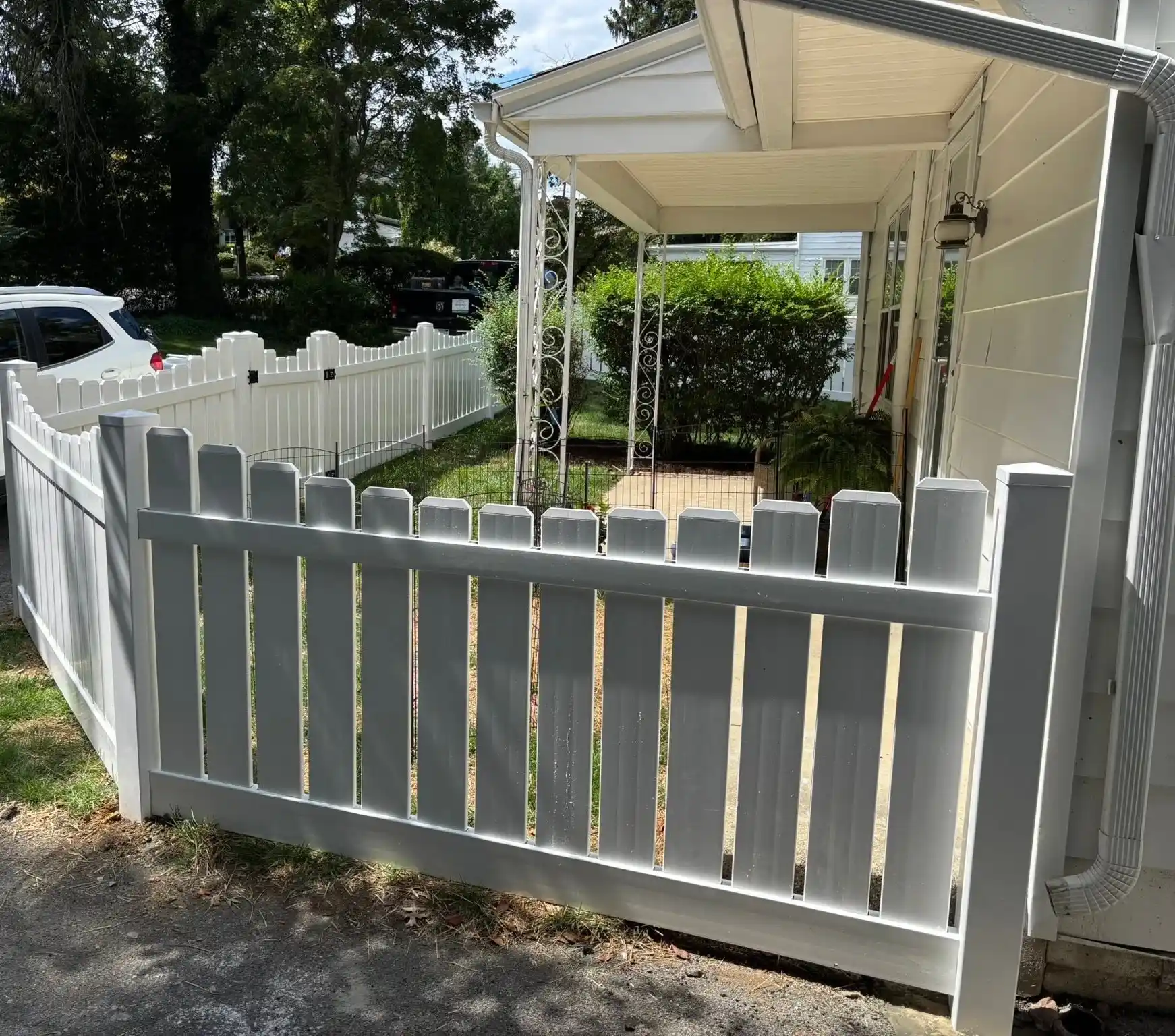
To successfully install a fence in Medina, Washington, you must follow strict municipal building codes, specific permit exemptions based on height and project cost, and highly protective local environmental laws. When analyzing how local building conditions in Medina, WA, Influence Fence Installation, property owners will find that native wet soils, strict shoreline rules, and aggressive tree-preservation codes directly dictate the construction process. This guide outlines the key structural and regulatory elements you need to address to build a legal, durable perimeter.
Monkey Fence brings decades of hands-on building knowledge to every local project. We know how to coordinate with municipal offices and navigate the Eastside’s unique clay soils to ensure your fence stands strong for years.
Permit Requirements and Local Height Limits
Building codes in Medina are strictly enforced to preserve the neighborhood scale and residential privacy. Unlike many cities where any structure under six feet is exempt, this municipality has very specific rules regarding when you need to obtain a permit before starting work. According to the City of Medina, you do not need a building permit for a fence if it is four feet or less in height.
For fences between four and six feet high, you are only exempt from a permit if the total fair market value of the project is under $3,000. Additionally, this cost-based exemption does not apply to any structure built for sound reduction. If your planned barrier exceeds six feet in height, or if the estimated cost of a five-foot fence exceeds $3,000, you must submit a formal application through the municipal online permit center.
| Fence Height | Project Cost | Permit Required? | Sound Barrier Rules |
|---|---|---|---|
| Under 4 Feet | Any Amount | No | Exempt if not for sound |
| 4 to 6 Feet | Under $3,000 | No | Exempt if not for sound |
| 4 to 6 Feet | Over $3,000 | Yes | Always required |
| Over 6 Feet | Any Amount | Yes | Always required |
Tree Preservation Laws and Root Protection Zones
Medina is famous for its dense, mature canopy and highly restrictive tree rules. The municipal tree management code, specifically MMC Chapter 16.52, places strict limits on any activities that could damage significant trees on private properties. A report by the Washington State Department of Natural Resources emphasizes that tree root systems are highly sensitive to soil compaction and trenching.
When our team digs post holes, we must carefully map out the drip lines of nearby Douglas firs, Western red cedars, and maples. Excavating within these root protection zones without a proper plan can violate city codes and lead to heavy fines or tree damage.
Bonus Tip: If your property line runs close to a protected tree, use a pneumatic spade or dig the post holes by hand. This minimizes damage to large structural roots and helps you comply with municipal tree protection rules.
Wet Pacific Northwest Soil and Climate Challenges
The weather in Western Washington puts intense stress on outdoor wooden structures. With an average of over 40 inches of annual rainfall, Medina soils remain saturated for many months of the year. This persistent moisture speeds up wood rot and can cause fence posts to lean if the footings are poorly constructed.
Our soil is often a mix of dense glacial till, heavy clay, and sandy loam near the waterfront. Saturated clay swells in the winter and shrinks in the dry summer, which puts constant physical pressure on concrete footings.
To prevent your posts from shifting, Monkey Fence digs deeper holes, often reaching 30 inches or more. This allows us to anchor the posts below the seasonal moisture shift zone. We also use gravel bases under the concrete to allow water to drain away from the bottom of the wood.
Material Performance and Durability in Medina Soil
Selecting the right material is a major decision when dealing with the local climate. While Western red cedar is a traditional choice due to its natural resistance to decay, other options may offer longer lifespans with less maintenance.
The table below outlines how different fencing materials perform when exposed to Medina’s specific soil conditions and heavy moisture.
| Material Type | Resistance to Wet Soil | Maintenance Needs | Average Lifespan in WA | Best Use Case |
|---|---|---|---|---|
| Treated Wood | Moderate to High | High (Staining required) | 15 to 20 Years | Traditional privacy barriers |
| Premium Vinyl | High | Very Low | 25 to 30 Years | Low-maintenance yards |
| Marine-Grade Aluminum | Excellent | Low | 30+ Years | Waterfront properties |
| Composite Wood | High | Low | 20 to 25 Years | Modern architectural yards |
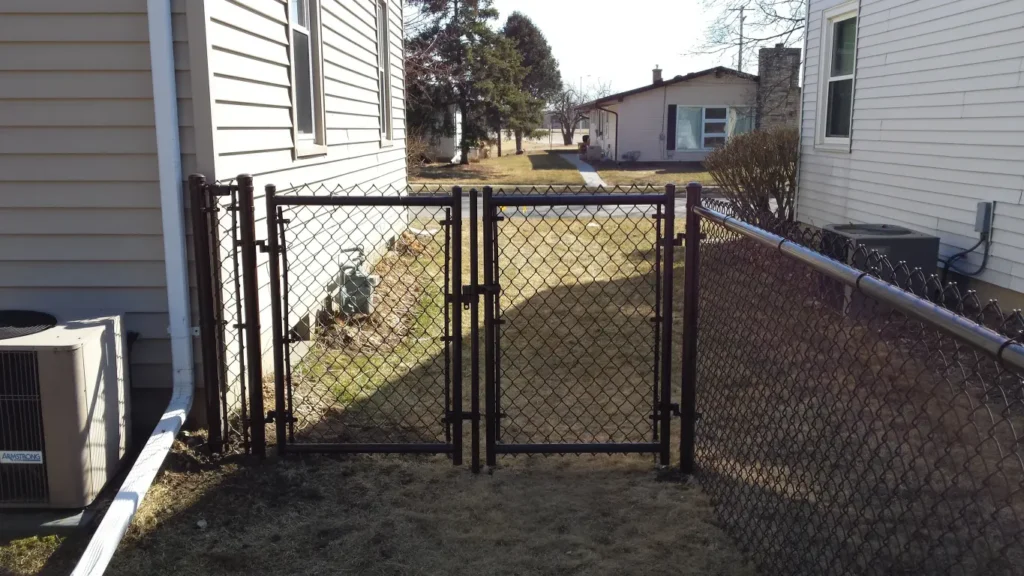
What Should You Consider Before Designing Your Medina Fence?
Before you purchase materials or hire a crew, you must address several local pre-construction factors. These items will save you from costly legal disputes and municipal code violations down the road.
First, identify your exact property boundaries. Many lots in this area have mature hedges and historic stone walls that do not align perfectly with property lines. A professional survey is the only way to avoid encroaching on your neighbor’s land.
Second, check for shoreline setbacks if your property faces Lake Washington. The Washington State Department of Ecology enforces specific rules for waterfront development. Fences built within shoreline zones must comply with the local Shoreline Master Program, which often limits height and material types to protect views and natural habitats.
Bonus Tip: Always talk to your neighbors before building. Even if a permit is not required, sharing your plans helps maintain good relationships and ensures that both parties are satisfied with the chosen style and boundary placement.
How Sloped Terrain Affects Construction
Medina features many rolling hills and slopes that lead down to Lake Washington. Installing a fence on a slope requires specialized construction techniques, such as stepping or racking.
Stepped fences keep each panel perfectly level, creating a stair-step appearance along the slope. Racked fences follow the angle of the ground, keeping the bottom of the fence close to the soil to prevent pets or pests from crawling underneath. Our technicians choose the best method based on your specific yard layout, soil stability, and privacy goals.
Bonus Tip: For steep slopes, always use longer posts. A standard six-foot fence on a steep grade may require nine-foot or ten-foot posts to ensure that enough of the post is buried in stable, undisturbed soil.
Summary of Key Installation Factors
Building a durable fence in Medina requires a clear understanding of municipal height limits, tree protection zones, and soil drainage. By matching your materials to the wet climate and obtaining the proper permits, you can build a secure boundary that improves your property value and respects the local environment. Working with professionals who understand these localized issues ensures that your installation complies with all laws and withstands the elements.
Need Help with Your Medina Fencing Project?
Planning a new fence in our community can be challenging due to strict local rules. Monkey Fence is ready to help you design a beautiful, fully compliant system. Contact us at (425) 517-2355 or email info@monkeyfence.com to schedule your on-site consultation. We will evaluate your yard, check the local zoning codes, and provide a free quote for your project.
Frequently Asked Questions
When is a fence permit required in Medina?
You must obtain a permit for any fence over six feet tall, any fence between four and six feet tall costing over $3,000, or any structure built specifically for sound reduction.
Are there special rules for fences near Lake Washington?
Yes, properties within the shoreline zone must comply with the local Shoreline Master Program, which regulates fence height, materials, and setbacks to protect views and habitats.
Can I build a sound-reducing fence without a permit?
No, the municipal permit exemption for small fences does not apply to sound attenuation structures, so you must apply for a permit regardless of height.
How does the Medina tree code affect post-digging?
You must avoid damaging the root systems of protected significant trees, which may require manual digging or adjusting post placements to comply with city laws.
What is the maximum fence height allowed in Medina?
Residential rear yard fences are generally limited to six feet, while front yard fences are restricted to four feet, unless you obtain a specific municipal variance.
Sources
- Washington State Department of Natural Resources – State authority providing information on tree protection, root health, and soil management practices.
- Washington State Department of Ecology – Official state resource for environmental guidelines, shoreline management, and waterfront development regulations.