
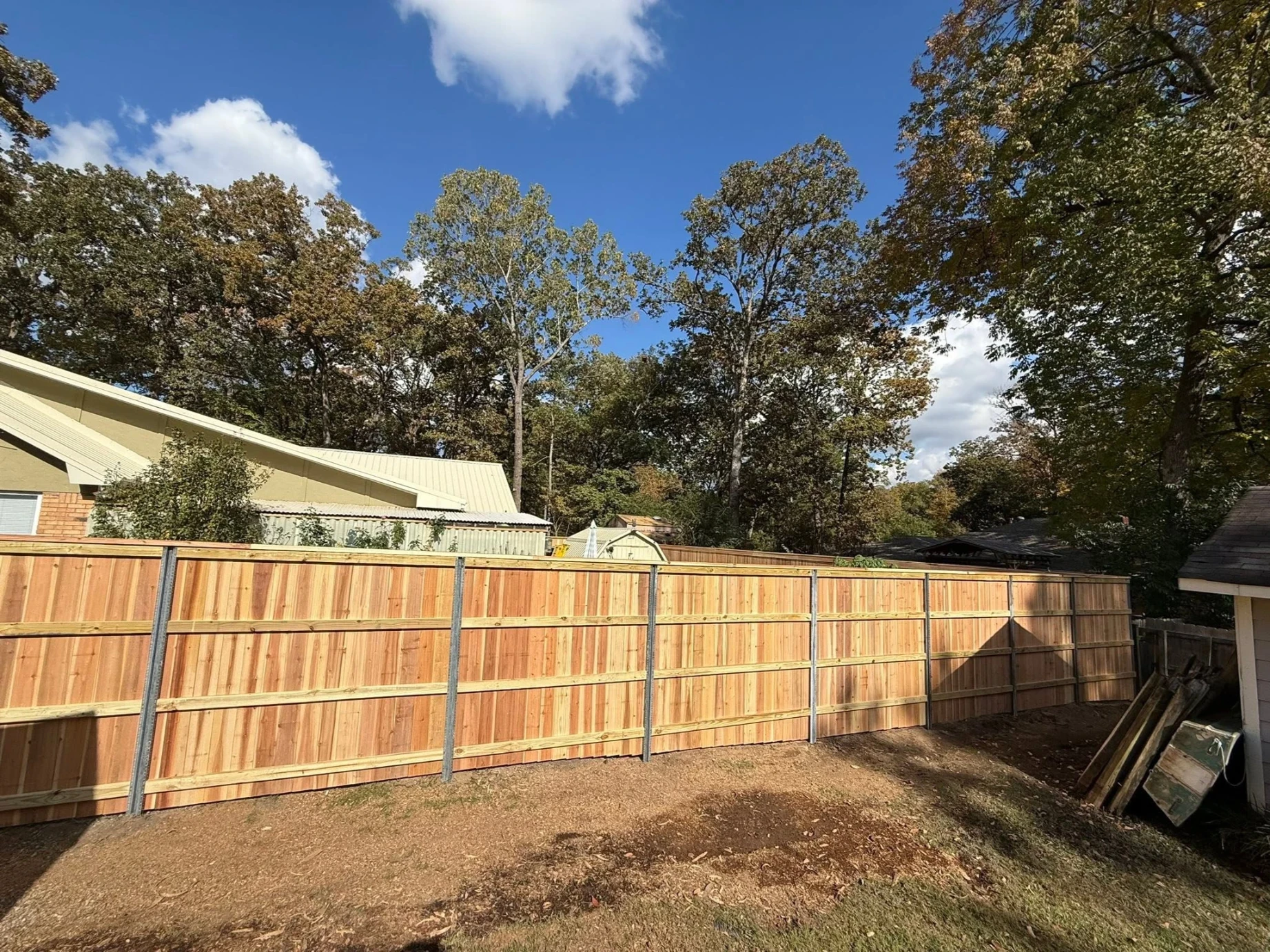
The most effective commercial fencing solutions for manufacturing facilities in Carnation focus on high security, durability against Pacific Northwest weather, and compliance with safety regulations. For most industrial sites, chain link with security additions, ornamental steel, and high-density polyethylene (HDPE) panels offer the best balance of protection and longevity. These systems prevent unauthorized access while clearly defining property boundaries in rural and industrial zones.
This guide provides an objective look at regional fencing standards, material specifications, and the practical factors that influence industrial perimeter decisions. We at Monkey Fence draw on years of local installation experience to help facility managers understand which materials withstand the specific moisture and soil conditions of the Snoqualmie Valley.
Chain Link Systems for Industrial Security
Chain link remains the standard for manufacturing sites because of its cost-effectiveness and transparency. It allows security personnel to maintain clear lines of sight outside the perimeter, which is essential for early threat detection. In Carnation, we often recommend galvanized or vinyl-coated steel to prevent rust caused by the area’s high humidity and frequent rainfall.
The strength of a chain link fence depends on the wire gauge and the schedule of the pipe used for the frame. A technical guide from Master Halco indicates that 9-gauge wire is the industry standard for commercial properties, providing enough resistance to prevent easy cutting or bending. Adding privacy slats or windscreen fabric can also help manage dust and debris common in manufacturing environments.
Ornamental Steel for Perimeter Strength
For facilities that require a more professional appearance without sacrificing security, ornamental steel is a top choice. These fences are constructed from heavy-duty steel pickets that are welded together, making them much harder to breach than standard residential aluminum. They offer a formidable physical barrier that is difficult to climb or cut.
Many modern steel fences use a powder-coated finish to resist corrosion. According to product specifications from Ameristar Perimeter Security, high-quality coatings can protect steel from oxidation for decades, even in damp climates. This makes steel an excellent long-term investment for permanent manufacturing hubs in Washington.
High Density Polyethylene for Specialized Protection
Certain manufacturing processes require specialized fencing that can withstand chemical exposure or provide acoustic dampening. High-density polyethylene (HDPE) panels are becoming more popular for facilities located near residential areas in Carnation. These solid panels help block noise from heavy machinery and loading docks.
HDPE is naturally resistant to water, salt, and most industrial chemicals. It does not rot or require painting, which reduces long-term maintenance costs. Because the material is solid, it also provides total visual privacy, shielding sensitive equipment or proprietary processes from public view.
Bonus Tip: When installing fences in the Snoqualmie Valley, always account for the high water table. Using extra-deep concrete footings or specialized gravel drainage around post bases prevents the fence from leaning during the wet winter months.
Comparative Technical Specifications for Facility Fencing
| Feature | Chain Link | Ornamental Steel | HDPE Panels |
|---|---|---|---|
| Primary Benefit | Visibility & Cost | Strength & Aesthetics | Privacy & Noise Reduction |
| Typical Height | 6 to 12 feet | 6 to 8 feet | 6 to 8 feet |
| Maintenance | Very Low | Moderate (Check for chips) | Very Low |
| Security Level | High (with wire tops) | Maximum | Moderate to High |
| Weather Resistance | Good (if galvanized) | Excellent (if coated) | Superior |
How Does Local Topography Affect Fence Installation?
The land around Carnation is often characterized by uneven terrain and proximity to floodplains. When a manufacturing facility sits on a slope, the fencing must be either “stepped” or “racked.” Stepping creates a staircase effect with level panels, while racking allows the fence to follow the natural contour of the ground without leaving gaps at the bottom.
Gaps at the bottom of a fence are a major security risk. A security assessment overview from the Whole Building Design Guide suggests that perimeter breaches often occur at the weakest point where the fence meets the ground. Ensuring the fence remains flush with the terrain is a requirement for any facility handling high-value goods or hazardous materials.
Automated Gates and Access Control
A fence is only as secure as its entry points. For manufacturing centers, automated slide gates or cantilever gates are the most efficient options. Cantilever gates are particularly useful in Carnation because they do not require a track in the ground. This prevents issues with mud, ice, or debris interfering with the gate’s operation.
Integrating access control systems like keypads, card readers, or vehicle sensors allows for better tracking of who enters and exits the site. Data published by Security Magazine suggests that automated access points reduce the risk of human error in gate management by over 40 percent.
Safety Enhancements for Perimeter Barriers
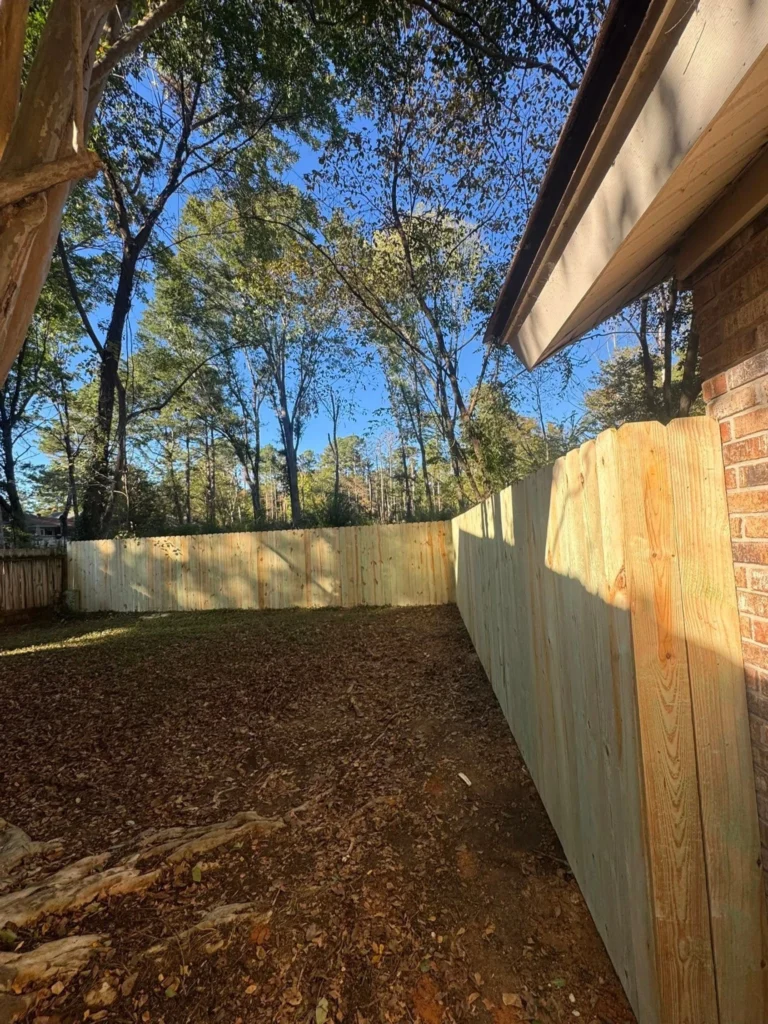
Security can be increased by adding anti-climb features to the top of the fence. Barbed wire, razor ribbon, or curved “outriggers” act as a strong psychological and physical deterrent. For facilities that must balance security with a less aggressive look, “spike top” ornamental pickets provide similar protection with a more traditional appearance.
Bonus Tip: Check local Carnation zoning codes before adding barbed wire or razor ribbon. Some areas have height restrictions or specific setback requirements for “aggressive” security measures to ensure they don’t pose a risk to pedestrians.
Factors to Evaluate Before Selecting Your Fence
Before committing to a specific material or design, it is important to analyze the specific operational needs of your site.
- Security Requirements: Does the facility store high-value electronics or bulk raw materials? High-value items typically require taller fences with anti-climb features.
- Environmental Exposure: Is the fence near a river or in an area prone to standing water? Materials like vinyl-coated chain link or HDPE are better suited for wet environments.
- Maintenance Capacity: Do you have a dedicated grounds crew? If not, choosing a maintenance-free material like HDPE or galvanized steel is a smarter move.
- Future Expansion: If the facility plans to expand, consider a modular fencing system like chain link that can be easily moved or extended.
- Local Compliance: Ensure the fence design meets the City of Carnation’s development standards for industrial zones.
Why Proper Installation Matters for Longevity
The longevity of a commercial fence installation in Carnation, WA depends heavily on how the posts are set. The soil in the Snoqualmie Valley can be soft and silty. Without proper post-hole depth and high-strength concrete, the weight of a heavy steel or HDPE fence can cause the structure to sag over time.
Professional commercial fence installation ensures that every post is plumb and every gate is perfectly aligned. This reduces wear and tear on hinges and motors, extending the life of the entire system. Properly installed fences also maintain their tension better, which is vital for the security of chain link systems.
Key Considerations for Commercial Fencing
Selecting a fence for a manufacturing facility is a balance between security, budget, and local environmental factors. Chain link provides a versatile and affordable option, while ornamental steel offers maximum strength. For those needing privacy or noise control, HDPE panels are the modern solution. By focusing on high-quality materials and professional installation, facility managers can ensure their perimeter remains secure for decades. We recommend evaluating your specific security risks and soil conditions before making a final decision.
Reach Out for a Professional Assessment
Navigating industrial security requirements can be complicated, but we are here to help you find the right fit for your property. Monkey Fence understands the unique challenges of the Carnation, WA landscape and provides expert guidance on material selection and installation techniques. If you need a reliable perimeter for your manufacturing site, contact us at (425) 517-2355 or via email at info@monkeyfence.com. We are happy to provide a free quote and discuss how our services can protect your facility.
How Can We Help With Your Facility Security?
Which fence material lasts longest in Carnation?
Galvanized steel and HDPE panels generally last the longest. These materials resist the moisture and humidity typical of the Snoqualmie Valley, preventing rust and rot for 20 years or more.
Do industrial fences require a permit in Carnation?
Yes, most commercial fences require a permit from the city. Regulations often dictate the maximum height and the types of security toppers allowed, especially for properties near public roads.
How high should a security fence be?
For manufacturing facilities, a height of 7 to 8 feet is standard. This height is generally sufficient to deter casual intruders while still complying with most local zoning ordinances.
Can I install a fence in a floodplain?
Fencing in floodplains is possible but requires specific designs. Using open-weave chain link allows water to pass through, reducing the risk of the fence being knocked over by pressure.
What is a cantilever gate?
A cantilever gate is a trackless gate system that slides open without touching the ground. It is ideal for gravel or uneven driveways because it avoids problems with debris and mud.
Sources
- Master Halco – A leading distributor of fencing materials providing technical specifications for industrial chain link and wire gauges.
- Ameristar Perimeter Security – A manufacturer specializing in high-security ornamental steel fencing systems and architectural coatings.
- Whole Building Design Guide – A program of the National Institute of Building Sciences offering comprehensive guidance on physical security and site planning.
- Security Magazine – An industry-leading publication that covers enterprise security news, including perimeter protection and access control technologies.