
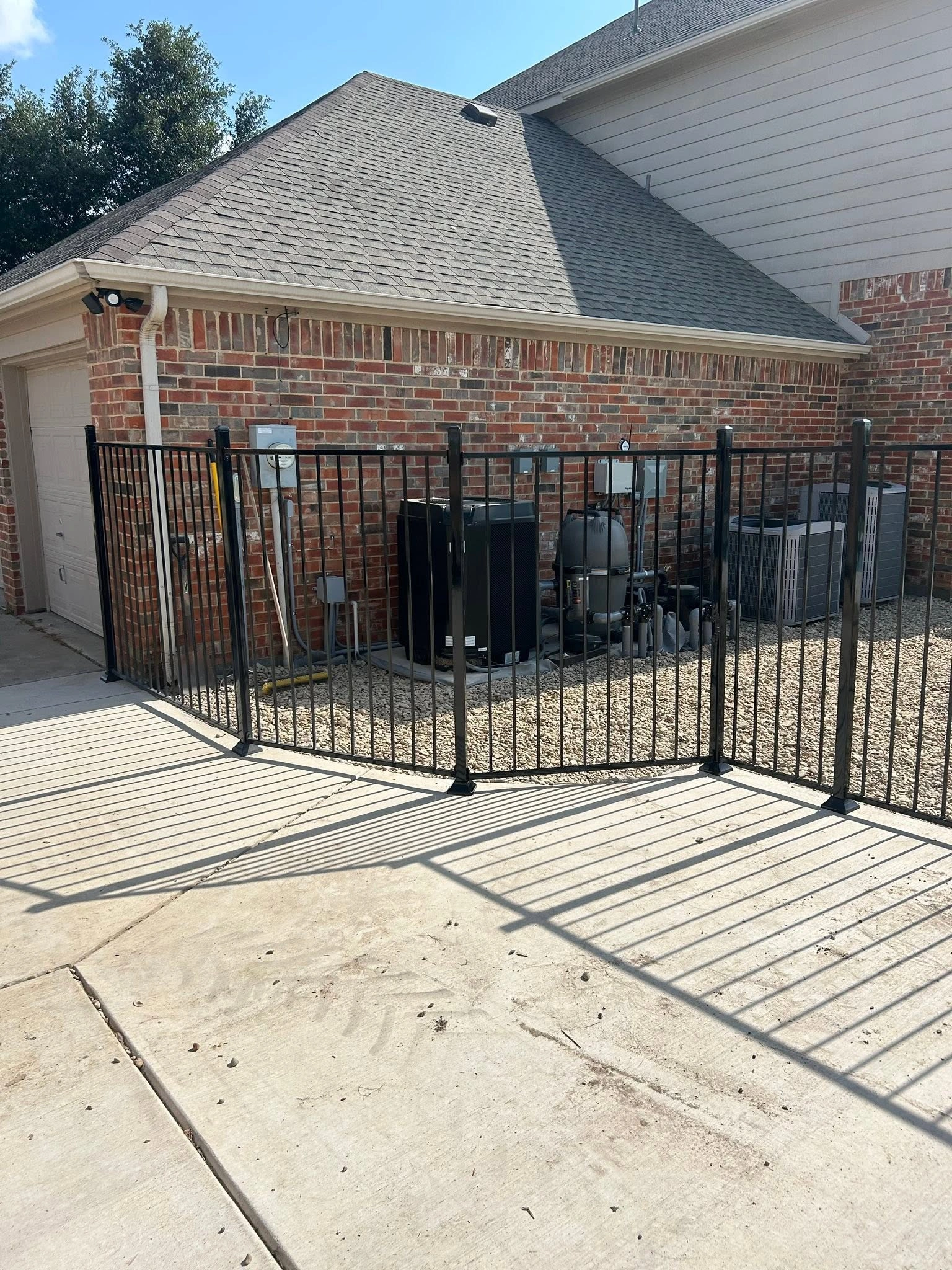
An aluminum fence leans primarily due to improper post installation, shifting soil, or physical impact. Most issues stem from posts that were not set deep enough or lack a stable, concrete base to resist ground movement. When the surrounding earth becomes saturated with water or goes through freeze-thaw cycles, the pressure forces the metal out of its vertical alignment.
We have spent years installing and repairing perimeter systems, and we know that while aluminum is durable, it is only as strong as its foundation. This guide explains why these structures fail and how to restore them. By identifying the specific cause of a tilt, you can apply a targeted fix that keeps the fence straight for decades.
Common Reasons for Post Instability
Soil quality determines the longevity of any outdoor structure. In regions with heavy clay, water retention causes the ground to expand and contract. According to a guide on soil properties by Michigan State University, clay holds more moisture and exerts higher pressure on buried objects than sandy soils. This constant movement eventually pushes against the concrete footing, causing the post to tilt.
Inadequate hole depth is another frequent culprit. In colder climates, the frost line is a critical measurement. If the concrete base sits above this line, the freezing ground will lift the entire post upward. This process, known as frost heave, is a leading cause of leaning in the northern United States.
Impact of Improper Concrete Setting
Even if the hole is deep enough, the way the concrete is poured matters. Using too much water in the mix weakens the final product, leading to cracks or crumbling over time. If the concrete bellies out at the top rather than being narrower at the surface, it gives the frozen ground a “lip” to grab onto and pull upward.
Loose hardware can also mimic a leaning post. If the screws or brackets connecting the rails to the posts fail, the weight of the panels will pull the posts inward. Regular inspections of the fasteners can prevent a minor hardware issue from turning into a structural failure.
| Cause of Lean | Identifying Symptom | Recommended Fix |
|---|---|---|
| Frost Heave | The post is higher than the others | Re-dig below the frost line |
| Soil Erosion | Visible gaps at the base | Add gravel and compact the soil |
| Physical Impact | Dents or bent metal | Replace damaged section |
| Loose Brackets | Panels rattling or sagging | Tighten or replace screws |
How Physical Stress Damages Alignment
Heavy winds or climbing animals put lateral pressure on the fence panels. While aluminum is light, it acts like a sail during a storm. If the wind speeds exceed the design capacity of the fence installation, the force can bend the aluminum or shift the post in the ground.
FEMA provides data suggesting that wind loads increase significantly with height, making taller privacy fences more susceptible to leaning than shorter picket styles. Trees are another factor, as growing roots can slowly push a concrete footing out of place over several years.
Bonus Tip: When installing near young trees, always leave at least three to five feet of space between the trunk and the fence line to account for future root expansion.
Practical Steps to Straighten a Leaning Fence
Fixing a tilt usually requires excavating the area around the affected post. You must remove the old concrete footing entirely before resetting the post. Trying to “shove” a post back into place rarely works because the soil underneath is already compacted in the wrong position.
- Detach the panels: Remove the screws from the rails on both sides of the leaning post to avoid damaging the aluminum.
- Dig out the base: Clear the dirt away from the concrete until the post can be pulled out.
- Clear the hole: Deepen the hole to reach undisturbed soil or to get below the frost line.
- Reset and level: Place the post back in, use a level to ensure it is vertical, and pour a fresh bag of fast-setting concrete.
Why Does Drainage Affect Fence Stability?
Poor drainage is a silent killer for fence lines. When water pools at the base of a post, it softens the soil and can lead to “muck.” This soup-like consistency cannot hold the weight of the fence. According to drainage experts at the University of Minnesota, directing runoff away from structures is essential for maintaining soil integrity.
If your yard has a slope, the fence should be installed using a “stepping” or “raking” method. Raking allows the fence to follow the contour of the land, while stepping creates a series of levels. Incorrectly installing a new fence on a hill without accounting for water flow often leads to erosion at the downhill posts.
Factors to Consider Before Starting Repairs
Before you start digging, check for underground utilities. Striking a gas or water line is dangerous and expensive. Always call your local utility marking service before any excavation. You should also verify if your fence is still under warranty, as some manufacturers cover structural failure.
The age of the fence is another consideration. If multiple posts are leaning, it might be more cost-effective to replace the entire line rather than fixing individual sections. Evaluate the condition of the aluminum itself; if it is severely oxidized or bent, the metal may snap during the straightening process.
Bonus Tip: Use a string line stretched across several posts to ensure the repaired section aligns perfectly with the rest of the fence.
Fixing Your Fence With Expert Help
Maintaining a straight perimeter is essential for both curb appeal and security. While many small adjustments are possible for a homeowner, structural issues often require professional equipment and experience. Monkey Fence provides the technical knowledge needed to handle difficult soil conditions and complex repairs. Whether you need a full replacement or a few posts reset, we can help restore your property. Contact us at (425) 517-2355 or reach out via email at info@monkeyfence.com to discuss your project and get a free quote. Our team is ready to ensure your installation remains level and secure for years to come.
Summary of Key Solutions
A leaning aluminum fence is usually a symptom of a deeper problem in the soil or the installation method. Addressing the issue requires a focus on proper drainage, deep post holes, and high-quality concrete work. By following the steps to reset posts correctly and ensuring they sit below the frost line, you can prevent the fence from shifting again. Regular maintenance of hardware and monitoring for soil erosion will keep your property looking its best while avoiding the need for major overhauls.
Common Questions About Leaning Fences
How deep should aluminum fence posts be buried?
Posts should generally be buried at least 24 to 36 inches deep. In colder regions, they must extend below the local frost line to prevent the ground from pushing the concrete up.
Can I straighten a fence without digging?
Small tilts can sometimes be corrected by compacting soil or adding braces, but these are temporary. For a permanent fix, you must excavate the footing and reset the post in fresh concrete.
Does wind cause aluminum fences to lean?
Yes, high winds create a “sail effect” on fence panels. If the posts aren’t anchored deeply enough, the lateral pressure will eventually bend the metal or shift the base in the soil.
Is it cheaper to repair or replace a leaning fence?
Repairing one or two posts is much cheaper than replacement. However, if the majority of the fence is leaning or the aluminum is bent, a full replacement is often the better investment.
Does insurance cover a leaning fence?
Homeowners insurance may cover a leaning fence if the damage was caused by a sudden event, like a falling tree or a severe storm. It typically does not cover wear or poor installation.
Sources
- Michigan State University – A guide explaining how different soil types like clay and sand affect stability and moisture retention.
- FEMA – Technical documentation regarding wind loads and how they impact the structural integrity of vertical barriers.
- University of Minnesota – Educational resources on managing ground drainage and its importance for preventing soil erosion near structures.