
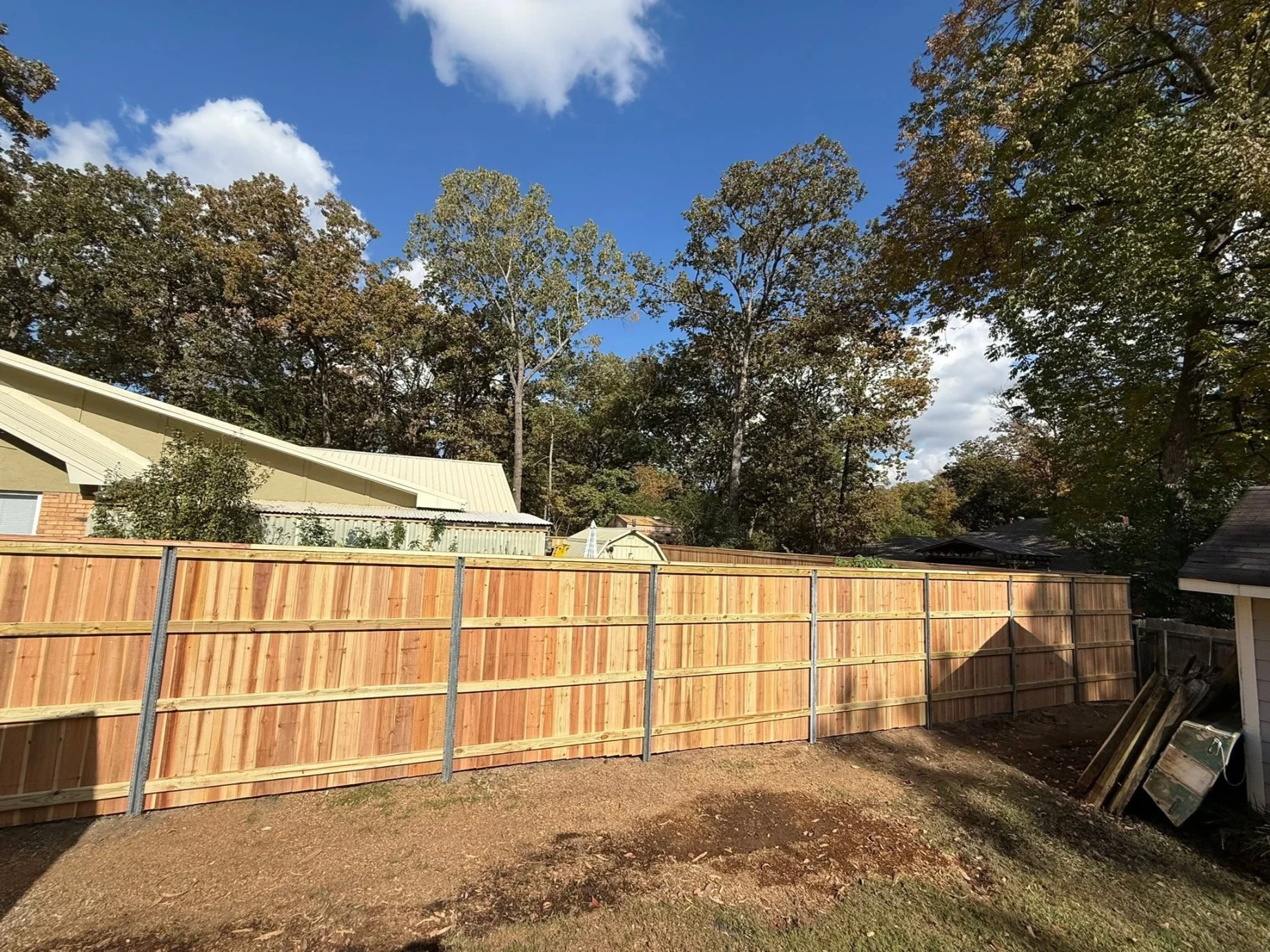
Wood fences handle the heavy rainfall in Orting by using moisture-resistant wood species, professional-grade sealants, and proper drainage designs. Pressure-treated pine and Western Red Cedar are the primary choices because they contain natural oils or chemical treatments that prevent rot when exposed to the Pacific Northwest’s consistent dampness.
This guide provides a detailed look at maintaining structural integrity in a wet environment. We draw on years of local experience building boundaries that withstand the unique weather patterns of the Carbon River valley. Monkey Fence understands exactly how the local humidity and soil saturation affect different wood types over time.
Choosing the right wood for wet environments
The first step in ensuring a fence lasts is selecting a material that does not soak up water like a sponge. Western Red Cedar is the standard for our region because it is naturally decay-resistant. According to a wood durability guide from the Western Wood Products Association, cedar contains organic compounds called extractives that act as natural preservatives against moisture and insects.
Pressure-treated lumber is another excellent option for Orting. This wood undergoes a process where chemical preservatives are forced deep into the fibers under high pressure. This makes the wood less likely to rot when it sits in soggy soil. Many homeowners use pressure-treated posts for the foundation and cedar for the visible pickets to balance cost and beauty.
Structural strategies to prevent water damage
Design plays a massive role in how well a fence survives the rain. If water pools at the base of your fence, the wood will eventually soften and fail. We recommend installing a “rot board” or “kickboard” along the bottom. This is a horizontal pressure-treated board that sits on the ground, protecting the vertical pickets from direct contact with wet grass and soil.
Post installation is where most moisture issues begin. Instead of just burying a post in dirt, it should be set in concrete with a sloped top. This slope allows rainwater to run away from the wood rather than sitting in the gap between the post and the concrete. Metal post bases can also keep the wood entirely out of the dirt, extending the life of the structure by several years.
The necessity of high-quality sealants
Raw wood exposed to Orting’s rain will turn gray and brittle within a couple of seasons. Applying a high-quality, oil-based stain or sealant is mandatory for longevity. Unlike water-based finishes that sit on the surface, oil-based products penetrate the wood grain to repel water from the inside out.
Bonus Tip: Wait for a dry stretch of at least three days before applying any sealant. If the wood has internal moisture trapped when you seal it, you might actually lock the dampness in, which speeds up internal rot.
Common wood species performance in rain
| Wood Type | Moisture Resistance | Average Lifespan (Years) | Maintenance Needs |
|---|---|---|---|
| Western Red Cedar | High (Natural) | 15 to 20 | Moderate (Staining) |
| Pressure-Treated Pine | High (Chemical) | 20 to 25 | Low to Moderate |
| Redwood | Very High | 20+ | High (Cost/Care) |
| Douglas Fir | Low to Medium | 10 to 12 | Very High |
Why drainage and airflow matter
A fence that stays wet will grow mold and mildew quickly. Airflow is your best friend in a damp climate. When we install fences in Orting, we suggest leaving small gaps between pickets if privacy needs allow. This “shadowbox” or “spaced picket” style lets the wind move through the fence, drying the wood out faster after a downpour.
Soil conditions in Orting can be quite silty or gravelly depending on your proximity to the river. Data from the United States Department of Agriculture indicates that well-draining soil is better for wood posts, but many areas in the valley retain water. In these spots, adding a gravel base at the bottom of the post hole before pouring concrete helps water move away from the wood.
Things to look at before choosing your fence
Before you start a project, check your property’s specific microclimate. Some yards in Orting sit in low spots that collect runoff from neighbors. If your yard stays “squishy” for days after a storm, you may need to consider steel posts instead of wood. Steel posts, often called “Post-on-Pipe,” are hidden behind wood pickets but will never rot, regardless of how much rain falls.
You should also look at the proximity of your sprinkler system. Constant artificial watering on one side of a fence can cause the wood to warp or “cup” as one side dries faster than the other. Adjusting your irrigation heads to avoid hitting the fence can add five years to its life.
How to maintain wood during the wet season
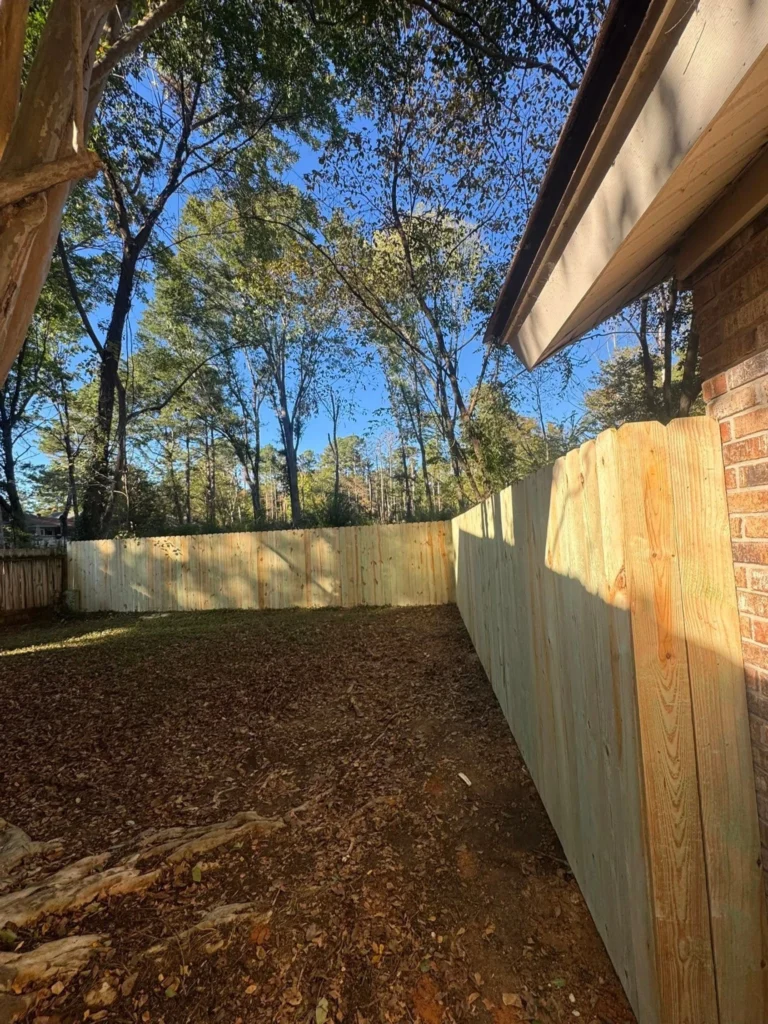
Maintenance isn’t just about staining; it’s about cleaning. Moss and algae thrive in the shade and rain of the South Sound. These organisms hold moisture against the wood fibers. A gentle cleaning with a specialized oxygen bleach solution every two years will kill the spores without damaging the wood grain or your lawn.
Avoid using a high-pressure power washer if you aren’t experienced with it. Too much pressure can “fur” the wood, tearing the fibers and making the surface even more porous. A soft wash approach is much safer for preserving the integrity of cedar pickets.
Bonus Tip: Inspect your fence every autumn before the heavy rains start. Tighten any loose screws and check that the drainage holes in your concrete footings aren’t clogged with leaves or debris.
Can wood truly last in Orting?
Yes, wood fence factors can thrive here if you don’t take shortcuts. A study by the Forest Products Laboratory confirms that wood durability is largely dependent on moisture management and the use of appropriate preservatives. By combining the right materials with smart installation techniques, a wood fence remains a beautiful and functional addition to any home.
A summary of wet weather fencing
Handling the rain in Orting requires a proactive approach to material selection and installation. Western Red Cedar and pressure-treated lumber offer the best defense against rot. Proper structural choices, such as using rot boards and sloped concrete footings, keep moisture from sitting on the wood. Regular maintenance and ensuring good airflow will prevent mold growth and extend the life of your investment. Evaluate your yard’s drainage and choose a style that promotes drying to ensure your fence installation stays strong for decades.
Our Professional Fencing Services in Orting, WA
We are here to help you build a fence that stands up to the Orting rain. Monkey Fence specializes in durable installations tailored to the Pacific Northwest climate. We provide high-quality materials and expert craftsmanship to ensure your project lasts for years. If you need a reliable boundary for your home, we offer a free quote to help you get started. You can reach us at (425) 517-2355 or via email at info@monkeyfence.com to discuss your needs and see how our expertise can benefit your property.
Frequently Asked Questions
How long does a cedar fence last in Orting?
A well-maintained Western Red Cedar fence typically lasts 15 to 20 years in our climate. Regular staining and ensuring the posts are protected from soil contact are the main factors.
Should I use metal or wood posts?
Metal posts are superior for the Orting area because they cannot rot. While wood posts are more traditional, steel “Post-on-Pipe” systems offer a much longer lifespan in saturated soil conditions.
Can I install a fence during the rainy season?
Yes, installation can happen year-round. However, we cannot apply stain or sealant until the wood is dry. We often install in winter and return in the late spring to seal.
Does the rain cause wood fences to warp?
Rain causes wood to swell, and sun causes it to shrink. This cycle can cause warping. Using high-quality, kiln-dried lumber and securing pickets with stainless steel screws helps minimize this movement.
How do I stop moss from growing on my fence?
Moss grows where there is moisture and shade. Keep bushes trimmed away from the fence to improve airflow and use an eco-friendly moss killer once a year to keep pickets clean.
Sources
- Western Wood Products Association – An authoritative resource for technical data on wood species and their natural resistance to decay and moisture.
- United States Department of Agriculture – Provides soil data and drainage information that impacts the stability and longevity of fence post foundations.