
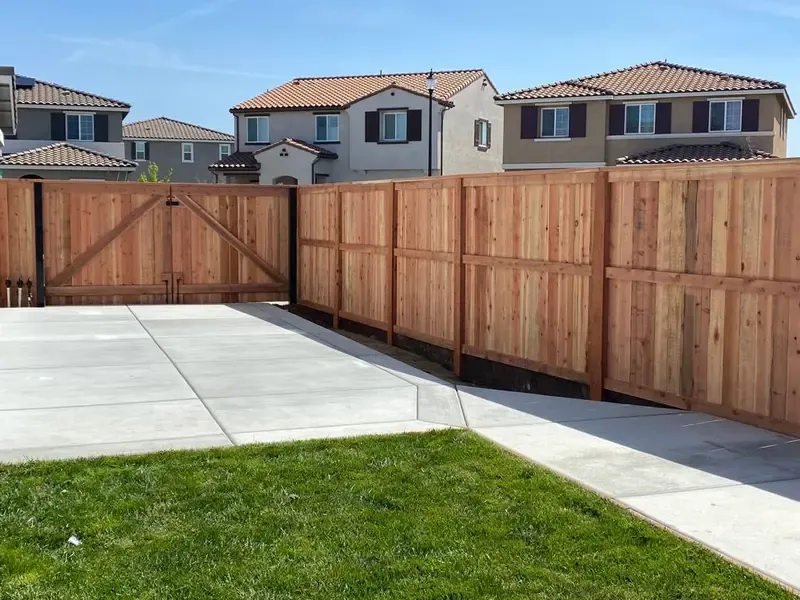
Choosing between a cedar fence and a pressure-treated pine fence comes down to balancing your immediate budget against long-term durability and aesthetic style. Cedar offers natural rot resistance and remains highly stable over time, while pressure-treated lumber provides a cost-effective, durable barrier that requires chemical preservation. Monkey Fence installs both options and helps you make the best choice for your property. When comparing a cedar fence vs pressure treated option, evaluating performance, upkeep, and installation requirements will help you make an informed decision for your yard.
Comparing the Two Wood Options
When planning a new installation, selecting the right raw supplies is the first step toward building a long-lasting boundary. Property owners often evaluate various wood fence materials to find the right balance between weather resistance and cost. Cedar contains organic oils that protect against rot and insects, while pressure-treated wood relies on chemicals forced into the wood fibers under extreme force to achieve the same protection.
According to a report by Grand View Research, cedar remains a top option in residential settings because of its structural strength and natural resistance to warping. Pressure-treated wood, usually made from southern yellow pine, remains popular for its budget-friendly entry point and durability when in contact with wet soil.
The Advantages of Selecting Cedar
Cedar stands out as a premium wood species because it remains straight and true. Unlike other woods, it does not twist, bow, or warp when exposed to rain and sun, which keeps your fence lines straight for decades. This stability comes from the wood’s low density, which minimizes shrinkage as the seasons change.
Reviewing the benefits of cedar fencing reveals that this material requires less chemical treatment, making it safer for children and pets who touch the boundary. It also naturally ages to a beautiful, soft silver color if left unstained, though you can apply sealants to keep its warm reddish-brown hue. Additionally, the pleasant aroma of natural cedar acts as a deterrent against common backyard pests such as mosquitoes and termites.
Bonus Tip: If you choose cedar, use stainless steel or hot-dipped galvanized fasteners. Standard steel nails will react with the natural acids in cedar, causing dark, ugly streaks to run down your beautiful new pickets.
The Financial Value of Pressure-Treated Pine
Pressure-treated lumber is the most common option for budget-conscious owners. The cost of pressure-treated fencing is typically 30% to 40% lower than cedar, making it highly attractive for enclosing large suburban yards. This makes it possible to secure your property without a heavy upfront financial burden.
The chemical treating process makes the pine highly resistant to fungal decay and wood-boring insects. This durability makes pressure-treated lumber a popular choice for privacy fence installation, especially for fence posts that sit directly in damp ground where untreated wood would rot within a few years. Modern treatments use safe, water-based copper solutions to achieve this protection without posing risks to your soil.
Bonus Tip: Because pressure-treated wood is saturated with a chemical solution during manufacturing, let the wood dry completely for three to six weeks before applying any paint or stain. If you seal it too early, the trapped moisture will cause the finish to peel off.
A Direct Comparison of Performance and Maintenance
To help you compare these options, we have compiled a direct comparison of the physical traits and life expectancy of both materials, based on years of field experience.
| Feature | Cedar Lumber | Pressure-Treated Pine |
|---|---|---|
| Typical Lifespan | 15 to 25 years | 10 to 15 years |
| Warping Resistance | High stability | Moderate to low stability |
| Soil Contact Use | Poor performance | Excellent durability |
| Primary Protection | Natural organic oils | Chemical preservatives |
| Upfront Cost | Moderate to High | Low to Moderate |
A structural materials study published by Oregon.gov shows that pressure-treated posts can last up to three times longer than untreated cedar when buried directly in moist soil. However, above the ground, cedar outperforms pine by remaining straight and avoiding the severe cracks that often plague treated pine under direct sunlight.
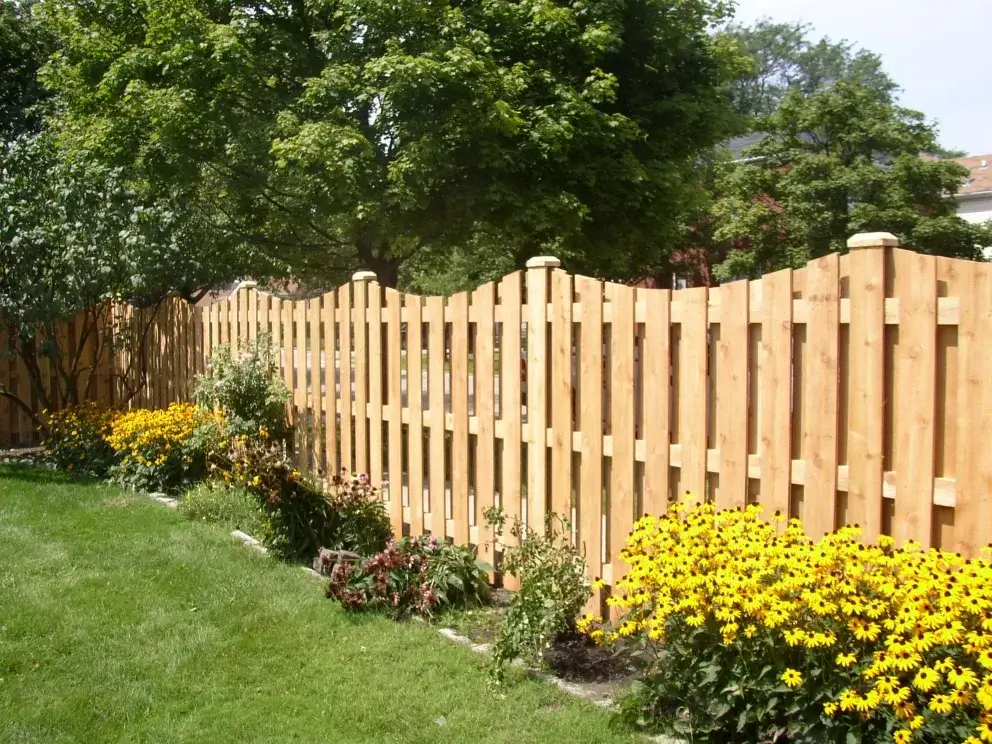
Key Factors to Assess Before Your Purchase
Before choosing your material, look at your local climate and soil conditions. Wet clay holds water around fence posts, making pressure-treated pine the superior choice for the structural posts below the ground. If your yard has poor drainage, standard cedar posts will decay much faster than expected.
You must also consider your willingness to perform regular maintenance. While both options benefit from staining, pressure-treated pine requires more frequent sealing to control its tendency to split and twist during wet-and-dry cycles. At Monkey Fence fence contractors, we often recommend a hybrid design using pressure-treated posts for ground contact combined with cedar rails and pickets above the ground to maximize both durability and beauty.
Conclusion
Choosing between a cedar fence and a pressure-treated barrier comes down to prioritizing either lower upfront costs or long-term structural beauty. Assess your budget, maintenance tolerance, and local soil conditions to select the material that best fits your backyard goals.
Ready to Build Your New Boundary
We are here to help you design and build a durable, beautiful fence. Contact Monkey Fence today to discuss your project and get a free quote. You can call our team at (425) 517-2355 or email us at info@monkeyfence.com to start planning your yard upgrade with our professional installation team.
Frequently Asked Questions About Wooden Fences
Can I mix cedar and pressure-treated wood in one fence?
Yes, using pressure-treated wood for the posts in the ground and cedar for the rails and pickets above ground offers the best durability and cost efficiency.
Does pressure-treated wood smell bad?
New pressure-treated wood has a faint chemical odor from the preservatives, but this smell completely disappears within a few weeks of exposure to the open air.
Which wood species is more environmentally friendly?
Cedar is more eco-friendly because it contains natural preservatives instead of added chemicals, and it can be safely recycled or burned at the end of its lifespan.
How often do I need to stain a cedar fence?
You should apply a high-quality UV-blocking sealant or stain every three to five years to protect its natural color and prevent it from turning gray with weathering.
Why does pressure-treated wood warp so easily?
The wood is saturated with water-based chemicals during treatment. As the wood dries out unevenly in the sun, the fibers shrink at different rates, causing warping.
Sources
- Grand View Research – Market analysis report detailing wood fencing materials, species preferences, and global residential demand trends.
- Oregon.gov – Technical research report analyzing the lifespans of natural cedar and chemical-treated wood posts in direct ground contact over multiple decades.
- Precision Fenceworks – Decadelong performance study tracking the weathering, rot resistance, and warping characteristics of cedar and pine fences.