
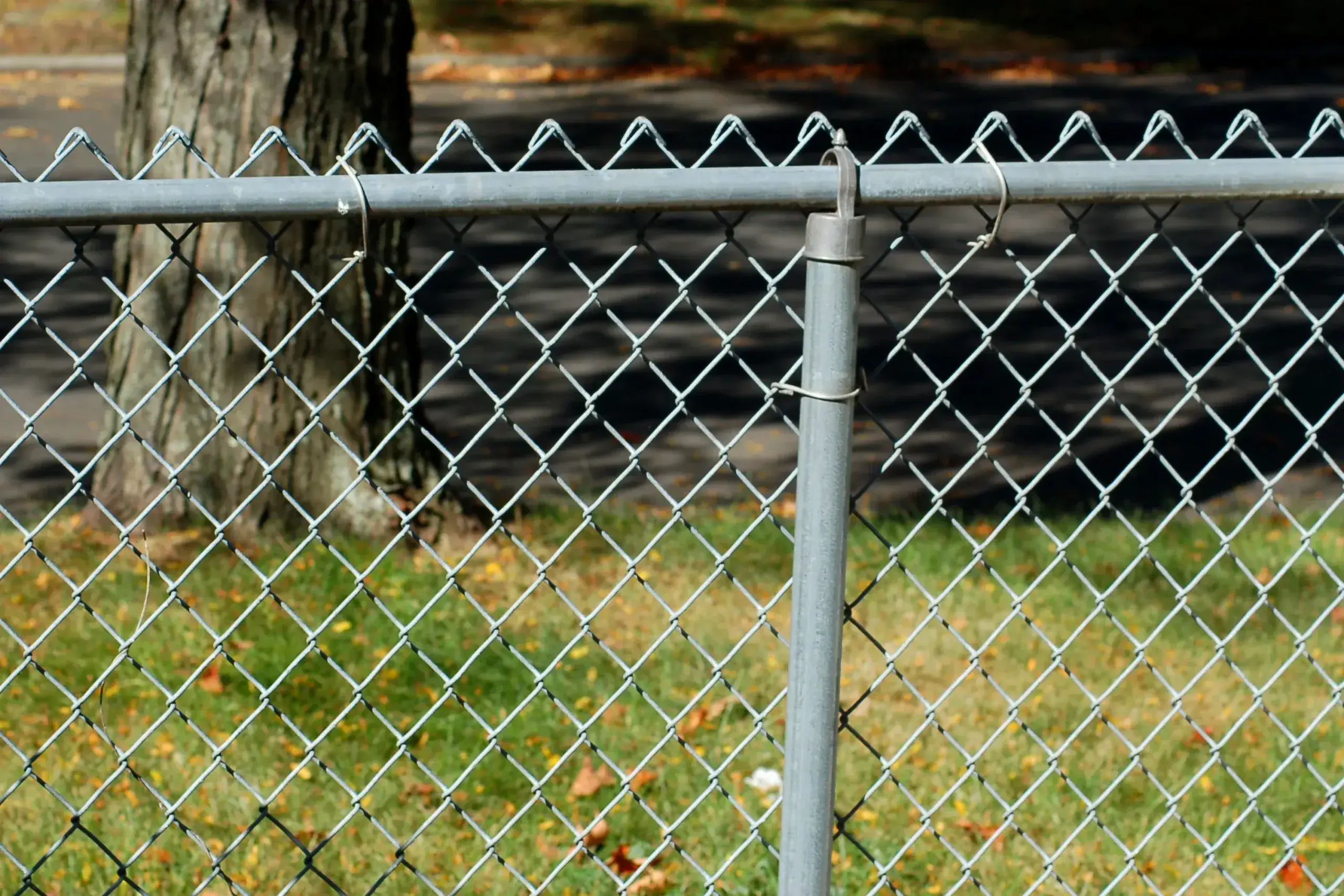
Installing a chain-link fence in King County provides a practical, long-lasting barrier for security and pet containment. On average, the cost of chain-link fencing in Lake Holm, WA, that property owners incur ranges from $2,000 to $4,500, with per-foot pricing between $18 and $32, depending on material specifications. Monkey Fence utilizes our extensive field experience across Lake Holm to provide accurate, transparent pricing and reliable material options.
By choosing this metal fencing style, you get a durable boundary that requires almost zero maintenance. It handles the wet weather of the Pacific Northwest far better than traditional wood. This guide breaks down localized pricing, configurations, and essential setup factors to help you plan your project.
How Much Does a New Chain Link Barrier Cost
A standard backyard installation of 150 linear feet of standard galvanized fencing typically runs between $2,700 and $4,200. This estimate matches local market data. According to cost reports from Angi, the average cost of fence installation in the broader Seattle-Tacoma metropolitan area ranges from $2,300 to $6,750, making chain-link one of the most budget-friendly perimeter options.
The total cost is split between physical materials and skilled labor. On average, physical supplies make up about half of your total bill, while labor rates account for the rest. If you want colored coatings or extra-thick metal, your material prices will rise.
| Fence Style and Height | Material Cost Per Foot | Professional Labor Per Foot | Combined Average Per Linear Foot |
|---|---|---|---|
| 4-Foot Galvanized | $10 – $14 | $8 – $11 | $18 – $25 |
| 6-Foot Galvanized | $13 – $17 | $9 – $12 | $22 – $29 |
| 4-Foot Black Vinyl | $14 – $18 | $9 – $12 | $23 – $30 |
| 6-Foot Black Vinyl | $17 – $22 | $10 – $13 | $27 – $35 |
4 Local Elements That Impact Your Project Budget
Every property in the area has distinct traits that affect setup times. According to pricing models shared by Ergeon, standard material expenses typically account for 50% of the budget, while specialized equipment and regional labor conditions make up the remainder.
1. Soil and Terrain Conditions
Lake Holm features hilly terrain and dense clay soil mixed with glacial rocks. Digging post holes in these conditions requires heavy power augers and manual rock breaking, which increases labor times.
2. Property Slopes and Grading
If your yard slopes significantly, you cannot install the mesh in a straight horizontal line. The installation team must step the panels or build a custom-sloped framework, which increases the construction time.
3. Gate Needs and Sizes
Standard walk-through gates add $150 to $400 to your budget. Double gates for driveways or large equipment range from $600 to $1,200, according to national residential cost trends reported by Raleigh Realty.
4. Site Clearing and Preparation
Removing older, decaying wood barriers or clearing out thick Himalayan blackberry bushes before setting posts adds work hours. Removing old materials typically adds $4 to $10 per linear foot to the overall bill.
Bonus Tip: Clear away low-hanging tree branches and brush along your planned property boundary before your professional crew arrives. Doing this simple prep work yourself can save you hundreds of dollars in basic labor fees.
What Material Variations and Grades are Available
A standard residential chain link fence typically uses 9-gauge or 11-gauge mesh fabric. The lower the gauge number, the thicker and stronger the steel wire. For homes with large, active dogs, 9-gauge wire is the superior option because it resists bending and impact.
Standard galvanized steel is coated in zinc to prevent rust. If you want a more attractive look, vinyl-coated steel features a colored plastic layer wrapped over the metal. Black and dark green vinyl coatings are highly popular because they blend naturally into local wooded environments, offering a more subtle appearance than traditional options while sharing visual similarities with modern vinyl fence installation projects and maintaining the strength of steel.
Key Planning Steps to Take Before Starting Your Fence Project
Taking proper steps before digging prevents legal disputes and costly mistakes. Make sure to cover these administrative and physical requirements first.
- Confirm Property Lines: Do not guess where your property ends. Hire a surveyor to locate your exact property boundaries so you do not build on your neighbor’s land.
- Verify Contractor Registration: The Washington State Department of Labor & Industries maintains a database where you can verify a contractor’s active license, bond, and insurance.
- Dial 811 Before Digging: Federal law requires utility lines to be marked before anyone digs. This service is free and prevents damage to underground power or water lines.
- Check Local Zoning Rules: King County regulations dictate maximum heights for front-, side-, and rear-yard structures. Most residential zones cap backyard fences at six feet.
Bonus Tip: Even if you think you know where your boundary lies, search for original iron survey stakes near your property corners. Moving a newly completed metal fence, even a few inches, is incredibly expensive.
How Does the Professional Setup Process Work
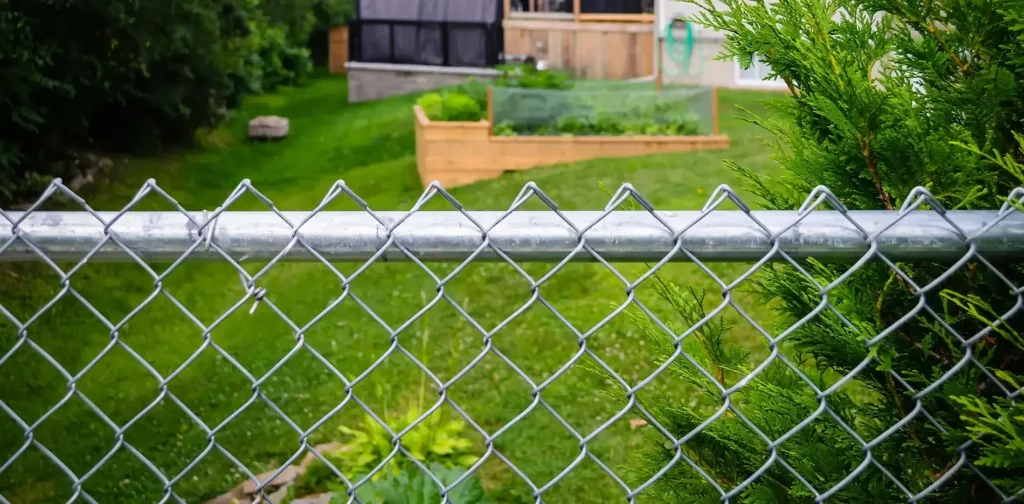
A successful chain link fence installation relies on a clear, systematic process. Understanding these phases helps you know what to expect during construction.
1. Layout and Marking
Our team stakes out the corners and runs tight string lines to mark where the posts will go. This step ensures the entire structure runs straight.
2. Setting Post Footings
We dig terminal and line post holes to a depth of at least two feet. We fill these holes with wet concrete to secure the heavy steel posts permanently in place.
3. Securing Framework and Hardware
Once the concrete cures, we install top rails, tension bars, and metal bands. This skeleton keeps the wire mesh taut throughout its lifespan.
4. Stretching the Mesh
We use specialized tension pullers to stretch the wire mesh tightly between the terminal posts. This tight stretch prevents the fence from sagging or bowing under pressure.
Bonus Tip: Insist that every main terminal and gate post is anchored in deep concrete footings. In the soggy wet seasons of western Washington, simple dirt packing will cause posts to lean over time.
Concluding Thoughts on Your Fencing Project
Choosing a metal chain-link barrier is a smart, economical strategy to secure your property in King County. While the typical chain link fence cost in Lake Holm, WA, depends on specific yard layouts and wire gauges, the long-term value remains excellent due to low maintenance. We recommend examining your yard’s unique boundary lines and terrain before finalizing your material choices.
Let Us Help Secure Your Lake Holm Property
Are you ready to install a durable boundary around your property? Monkey Fence is ready to assist you. We provide precise estimates tailored to your specific yard conditions and security needs. Contact us today at (425) 517-2355 or email us at info@monkeyfence.com to schedule your on-site assessment and receive a comprehensive, free quote. Let us build a reliable perimeter that lasts.
Frequently Asked Questions
How long does a standard galvanized fence typically last in Washington
These steel fences typically last 20 to 30 years. The zinc coating prevents rust, even under the heavy, consistent rainfall conditions typical of the moist Pacific Northwest climate.
Do I need a building permit for standard backyard fencing in King County
Permits are generally not required for backyards if the height remains under six feet. However, we advise checking specific King County zoning codes before scheduling any site work.
Is it possible to add privacy slats to this fence style later
Yes. You can slide lightweight vinyl slats vertically into the mesh at any time. This provides excellent privacy and wind blockage without requiring you to replace the metal framework.
How deep must the support posts be set in the ground
Main terminal posts must be buried at least twenty-four to thirty inches deep. Setting them in concrete ensures stability when the local soil becomes saturated during wet winters.
What is the primary difference between galvanized and vinyl-coated metal
Galvanized wire features a protective zinc coating. Vinyl-coated options wrap that galvanized wire in a colored plastic layer, adding extra protection and a smoother, more attractive finish.
Sources
- Angi – Comprehensive cost guide analyzing national and regional fence installation averages.
- Ergeon – Industry data breakdown of chain-link material and labor pricing structures.
- Raleigh Realty – Real estate and home improvement reference detailing gate and site prep pricing.
- Washington State Department of Labor & Industries – Official state registry used to verify contractor licensing, active bonds, and insurance status.