
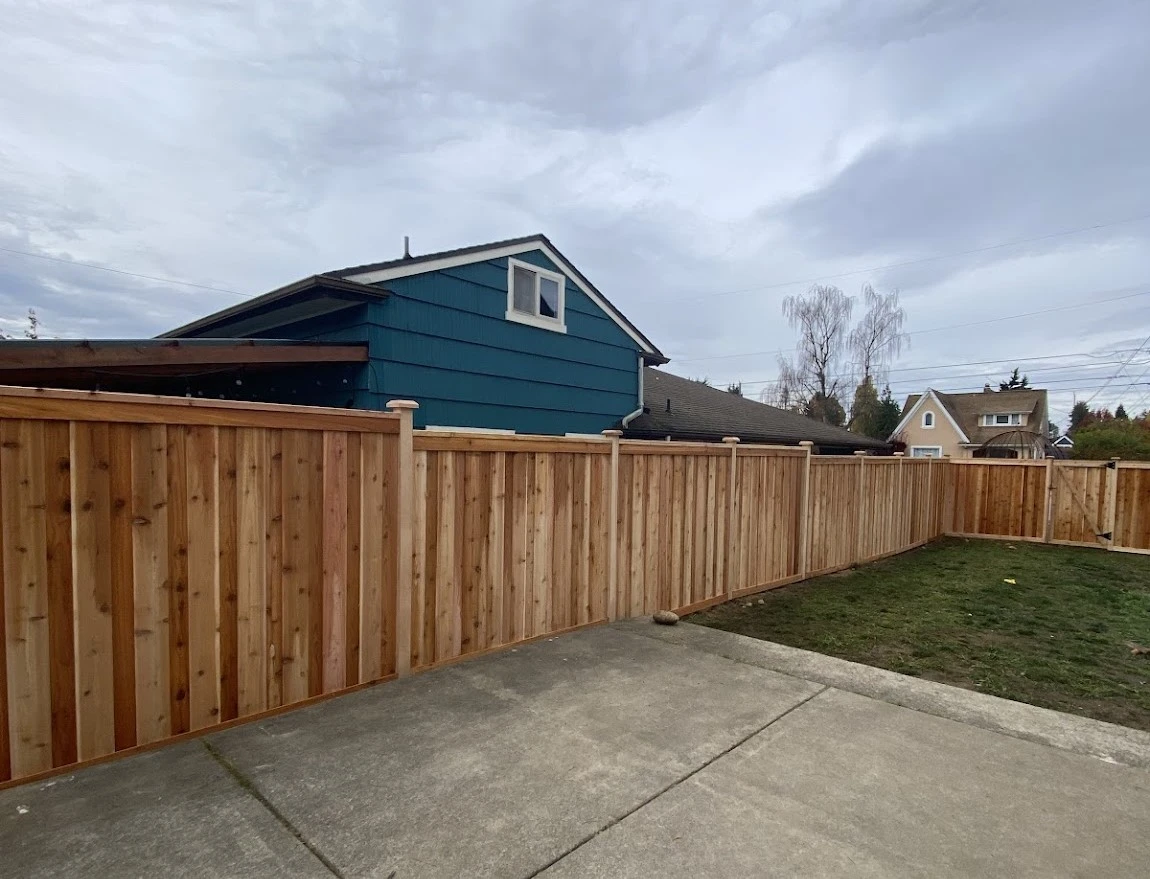
The primary errors in Seattle wood fence installation involve neglecting the region’s high moisture levels, failing to set posts deep enough in soft soil, and ignoring local property line regulations. Success requires using rot-resistant materials like Western Red Cedar and ensuring all posts sit at least 24 to 30 inches deep with proper drainage. These steps prevent the fence from leaning or rotting prematurely due to the Pacific Northwest’s consistent rainfall and variable soil conditions.
This guide details the technical errors and planning oversights that commonly lead to fence failure. By drawing from years of field experience in King County, Monkey Fence identifies the specific pitfalls that compromise structural integrity. Understanding these factors ensures a perimeter remains stable and attractive despite the challenging local climate.
Ignoring Seattle Soil and Moisture Conditions
Seattle receives an average of 37 to 39 inches of rain annually, according to climate data from the National Weather Service. This constant moisture creates a high risk for ground-contact rot and soil instability. One of the most frequent mistakes is failing to account for how water interacts with fence posts.
Inadequate Post Depth and Footing Design
Many DIY projects fail because posts are not buried deep enough. In the Pacific Northwest, wind loads during winter storms can easily topple a fence with shallow footings. Posts should generally follow the 1/3 rule, where one-third of the total post length is underground.
Bonus Tip: In areas with heavy clay soil common in many Seattle, WA neighborhoods, add six inches of gravel at the bottom of the post hole before pouring concrete. This allows water to drain away from the base of the wood rather than pooling around it.
Selecting the Wrong Wood Species
Using wood species that cannot handle moisture is a recipe for quick failure. While Douglas Fir is a strong structural wood, it lacks the natural tannins found in Western Red Cedar that resist decay. Data from the Western Red Cedar Lumber Association indicates that cedar remains one of the most durable choices for the PNW climate because of its natural resistance to moisture and insects.
Failure to Plan Property Lines and Permitting
Installing a fence in the wrong location leads to expensive legal disputes or the forced removal of the structure. Seattle has specific rules regarding fence height and placement that vary by zone.
Skipping the Utility Locate Call
Digging without knowing what lies beneath the surface is dangerous and potentially expensive. Washington law requires homeowners or contractors to notify utilities before any excavation begins. According to Washington 811, hitting an underground line can result in heavy fines and service interruptions for the entire neighborhood. This step is free and must be completed at least two full business days before digging.
Disregarding City Height Restrictions
In Seattle, residential fences in side or rear yards can typically reach six feet, but front yard fences are often limited to four feet to maintain visibility. The Seattle Department of Construction and Inspections provides specific codes that dictate these limits. Building a six-foot fence in a front yard setback without a variance often results in a code violation notice.
Technical Material Comparisons for the PNW
Selecting the right materials involves balancing cost with longevity. The following table compares common wood options used in the Seattle area.
| Wood Type | Rot Resistance | Expected Lifespan (Years) | Best Use Case |
|---|---|---|---|
| Western Red Cedar | High | 15 to 25 | Standard residential privacy fences |
| Pressure-Treated Pine | High (Chemical) | 20 to 30 | Fence posts and ground-contact rails |
| Douglas Fir | Low | 5 to 10 | Temporary fencing or indoor use |
| Redwood | Very High | 20 to 30 | High-end custom designs and gates |
Installation Structural Errors
Even the best materials will fail if the assembly is poor. Structural errors often manifest within the first two years of installation as gates sag or panels warp.
Improper Fastener Selection
The wet Seattle air accelerates corrosion in standard nails and screws. Using non-galvanized fasteners leads to “cedar bleed,” where black streaks run down the wood from rusting metal. For a long-lasting fence, only use stainless steel or hot-dipped galvanized fasteners. These materials resist the corrosive effects of both the rain and the chemicals found in pressure-treated lumber.
Neglecting Gate Reinforcement
Gates are the only moving parts of a fence and experience the most stress. A common mistake is building a gate without a diagonal cross-brace. The brace should run from the bottom hinge side to the top latch side. This transfers the weight of the gate back to the hinges, preventing the wood from sagging over time.
Bonus Tip: Use three hinges on six-foot privacy gates instead of two. The middle hinge helps maintain the vertical alignment of the gate frame during the wood’s natural expansion and contraction cycles.
Things to Consider Before Making a Decision
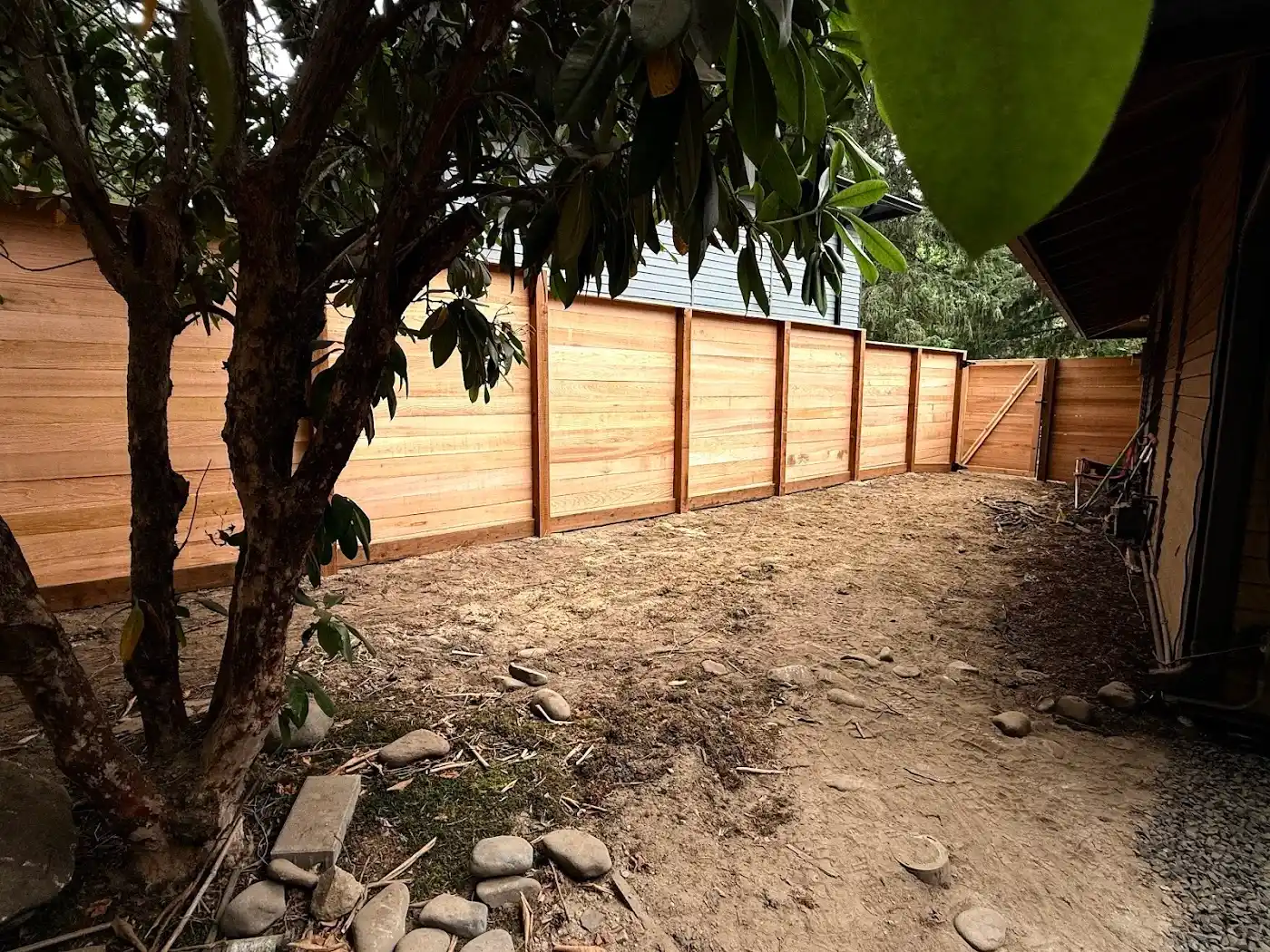
Beyond technical specifications, several environmental factors influence the final design and budget. Homeowners should evaluate the following elements during the planning phase:
- Topography: Seattle is known for its hills. Decisions must be made on whether to “step” the fence panels or “rack” them to follow the slope of the land.
- Maintenance Level: Unstained cedar will turn a silvery gray. If the original wood color is desired, plan for staining every two to three years.
- Wind Exposure: In open areas or near the Sound, wind can be intense. Using gaps between pickets, like in a shadowbox design, allows wind to pass through and reduces pressure on the posts.
- Neighbor Relations: It is standard practice to discuss fence plans with neighbors, especially if sharing a property line. This prevents friction and ensures both parties are aware of the boundary locations.
Expert Insights on Technical Installation
How long should concrete cure before attaching fence panels? Concrete usually requires 24 to 48 hours to set enough to hold the weight of the fence. In the humid Seattle climate, waiting 72 hours is often safer to ensure the posts do not shift when the rails are nailed into place.
Is a permit always required for a wood fence in Seattle? Not always. For most residential properties, a fence under six feet tall does not require a building permit. However, if the fence is over six feet or involves a retaining wall, the Seattle Department of Construction and Inspections requires a formal application and review.
Should fence posts be set in concrete or gravel? In Seattle, setting posts in concrete is the standard for stability. However, the concrete should never completely “encase” the bottom of the post. Leaving the very bottom of the post in contact with a gravel base allows moisture to escape the wood rather than being trapped inside a concrete “cup.”
Best Practices for Long-Term Durability
Maintaining a wood fence style in the Pacific Northwest requires a proactive approach. Once the structure is up, the focus shifts to preservation. Applying a high-quality, oil-based stain shortly after the wood has dried helps block UV rays and water penetration. Keep vegetation, such as ivy or heavy bushes, trimmed back from the fence. Plants trap moisture against the wood and can lead to mold and structural weakness.
Inspect the fence annually for loose fasteners or signs of insect damage. Tightening a few screws or replacing a single damaged picket can prevent larger, more expensive repairs in the future. By avoiding the common installation mistakes mentioned here, a wood fence becomes a durable asset rather than a recurring maintenance problem. Every property has unique challenges, so assess the specific slope, soil type, and wind exposure of the site before digging the first hole.
Getting Help with Your Project
Planning a fence requires attention to detail and a clear understanding of local conditions. For those who prefer professional assistance, Monkey Fence offers expert guidance and installation services tailored to the Seattle area. Contact the team at (425) 517-2355 or via email at info@monkeyfence.com to discuss specific project requirements. Monkey Fence focuses on building structures that stand up to the unique weather patterns of the Pacific Northwest.
Frequently Asked Questions
Can I install a wood fence during the rainy season?
Yes, installation is possible year-round in Seattle, but it requires extra care. Digging in wet soil can be difficult, and concrete takes longer to cure. If the wood is saturated during installation, it must dry out completely before applying any stain or sealant.
What is the average cost of a wood fence in Washington?
According to data on regional home improvements from HomeGuide, wood fences typically cost between $15 and $35 per linear foot. Prices in Seattle often lean toward the higher end due to the cost of high-quality cedar and the labor required for challenging terrain.
How do I stop my fence from leaning over time?
Leaning is usually caused by soil erosion or rotting posts. Using pressure-treated 4×4 or 6×6 posts for the structural portion and ensuring they are set deep enough prevents most leaning issues. Ensuring the post hole is twice the diameter of the post itself provides enough concrete mass for stability.
Should the pickets touch the ground?
No. Pickets should be installed at least two inches above the soil. Direct ground contact leads to “wicking,” where the wood sucks up moisture from the earth, causing the bottom of the fence to rot long before the top.
Sources
- National Weather Service – Historical climate and rainfall data for the Seattle metropolitan area.
- Washington 811 – Information on the legal requirements for underground utility marking before excavation.
- Seattle Department of Construction and Inspections – Official city codes regarding fence heights, permits, and property setbacks.