
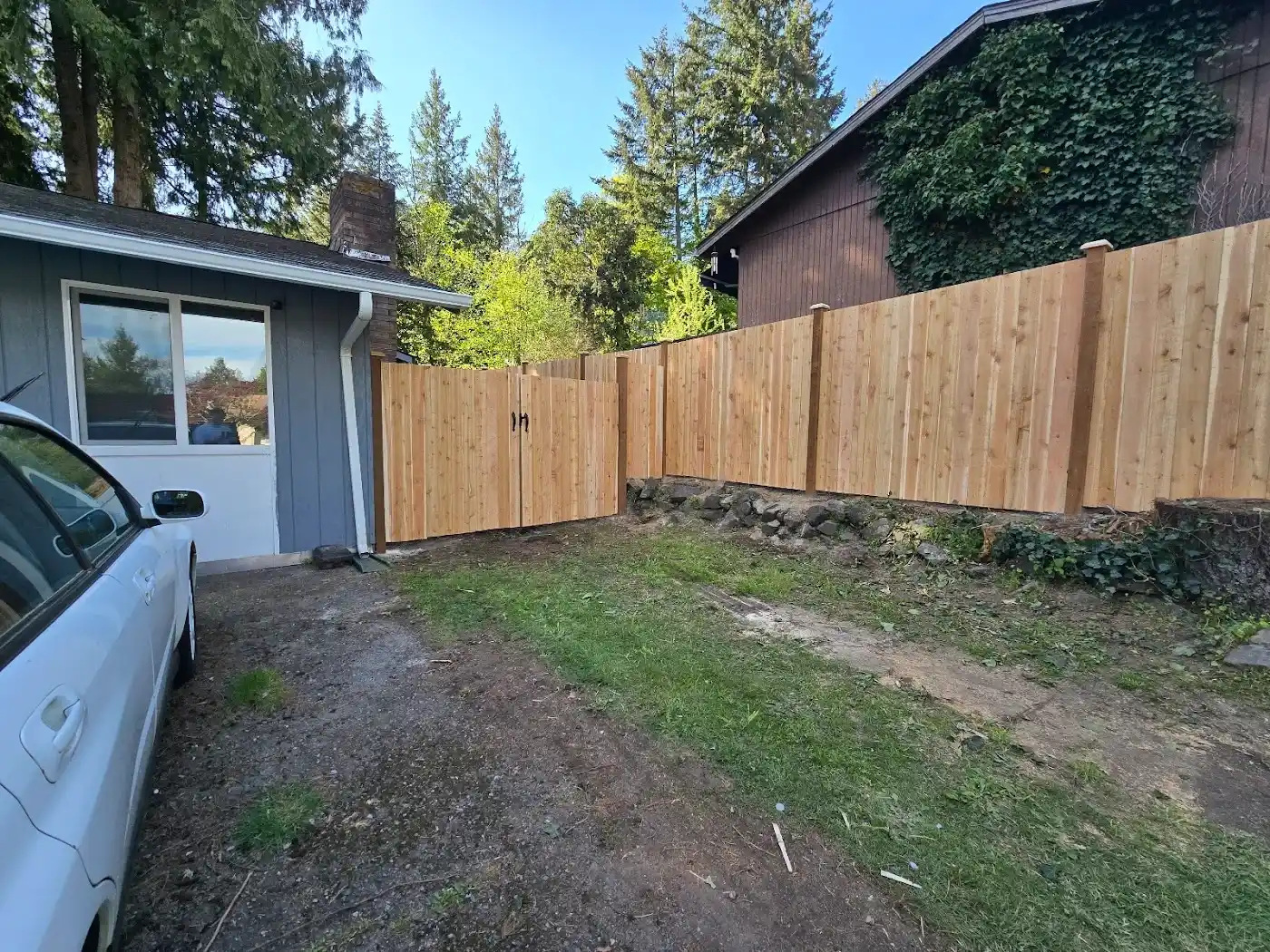
Choosing the right wood fence involves balancing local regulations, property goals, and architectural compatibility. The ideal height typically ranges from 3 to 4 feet for decorative front yard boundaries and 6 feet for backyard privacy. Selecting a style requires matching the functional need, such as a solid board for noise reduction or a picket for airflow, with the existing aesthetic of the home.
This guide provides a detailed breakdown of how to evaluate property needs against practical fencing standards. Drawing from years of field experience in residential perimeter planning, the following sections outline the technical specifications and design principles necessary for a successful installation.
Define the Primary Purpose of the Barrier
Before looking at materials, identify why the fence is being installed. A fence designed to keep a large dog contained requires different specifications than one meant to mark a property line. If privacy is the main goal, a 6-foot solid dog-ear or flat-top style is the standard choice. For those looking to improve curb appeal without obstructing views, a 3-foot spaced picket fence is often more appropriate.
Safety is another major driver for specific heights. For example, homeowners with swimming pools must adhere to strict safety codes. According to safety guidelines provided by the U.S. Consumer Product Safety Commission, residential pool barriers should be at least 48 inches high to prevent unauthorized access by children.
Bonus Tip for Pet Owners
If the goal is to contain a dog that jumps, a 6-foot fence is usually sufficient. However, for “diggers,” burying the bottom of the wood pickets or installing a concrete “mow strip” beneath the fence line is more effective than adding height.
Research Local Zoning Laws and HOA Rules
Local ordinances often dictate the maximum allowable height for residential fencing. In many municipalities, front yard fences are restricted to 42 inches, while backyard fences can reach 6 feet. Building codes also frequently require the “finished” side of the fence to face the neighbor or the street.
Homeowners Associations (HOAs) often have even stricter requirements. They may limit the types of wood allowed, such as requiring Western Red Cedar, or mandate specific stain colors to maintain neighborhood uniformity. Checking these rules early prevents costly mistakes or the need to tear down a new installation.
Select a Style Based on Visual and Functional Goals
Once local regulations and boundary requirements are established, homeowners can focus on selecting a style that balances visual appeal with environmental performance. The style of a wood fence influences both the look of the property and its durability against wind and noise. Solid styles offer the most seclusion but can act like a sail during high winds. Spaced styles allow air to pass through, which increases the longevity of the posts in breezy areas.
Solid Board and Privacy Styles
These styles use boards placed edge-to-edge. Common variations include:
- Dog-Ear: The corners of the top of each picket are cut at an angle.
- Flat-Top: Pickets are cut straight across for a clean, modern look.
- Shadowbox: Boards are alternated on either side of the rail. This looks the same from both sides and allows for airflow while maintaining partial privacy.
Decorative and Open Styles
These are best for front yards or internal property divisions:
- Picket: Vertical slats with spaces between them.
- Post and Rail: Often seen in rural settings, using horizontal rails for a rustic appearance.
- Lattice: Features a crisscross pattern, often used as a decorative topper for privacy fences.
Compare Common Wood Fence Heights and Applications
The following table summarizes standard heights used in residential fencing and their typical applications.
| Fence Height | Common Applications | Primary Benefits |
|---|---|---|
| 3 Feet | Front yards, garden borders | Maintains views, marks boundaries |
| 4 Feet | Pool safety, pet containment (small dogs) | Meets most pool codes, keeps pets in |
| 5 Feet | General perimeter, medium dogs | Balanced height for security and visibility |
| 6 Feet | Backyards, privacy, noise reduction | Maximum standard privacy, blocks views |
| 8 Feet | Commercial borders, sound barriers | Extreme privacy, requires special permits |
Evaluate Wind Resistance and Material Durability
The style of the fence impacts how it handles environmental stress. In regions with high winds, a solid privacy fence experiences significant pressure against the posts. Data regarding wind loads from the American Society of Civil Engineers indicates that solid structures must be engineered to withstand specific regional wind speeds. Using a shadowbox style or leaving small gaps between pickets can reduce this pressure and prevent the fence from leaning over time.
Material choice also dictates longevity. Pressure-treated pine is cost-effective and resists rot, while Western Red Cedar is naturally resistant to decay and warping. Cedar is often preferred for 6-foot privacy fences because it stays straighter than pine over long spans.
Bonus Tip for Longevity
Always use hot-dipped galvanized or stainless steel fasteners. Standard nails will react with the natural oils in cedar or the chemicals in pressure-treated wood, causing unsightly black streaks known as “bleeding.”
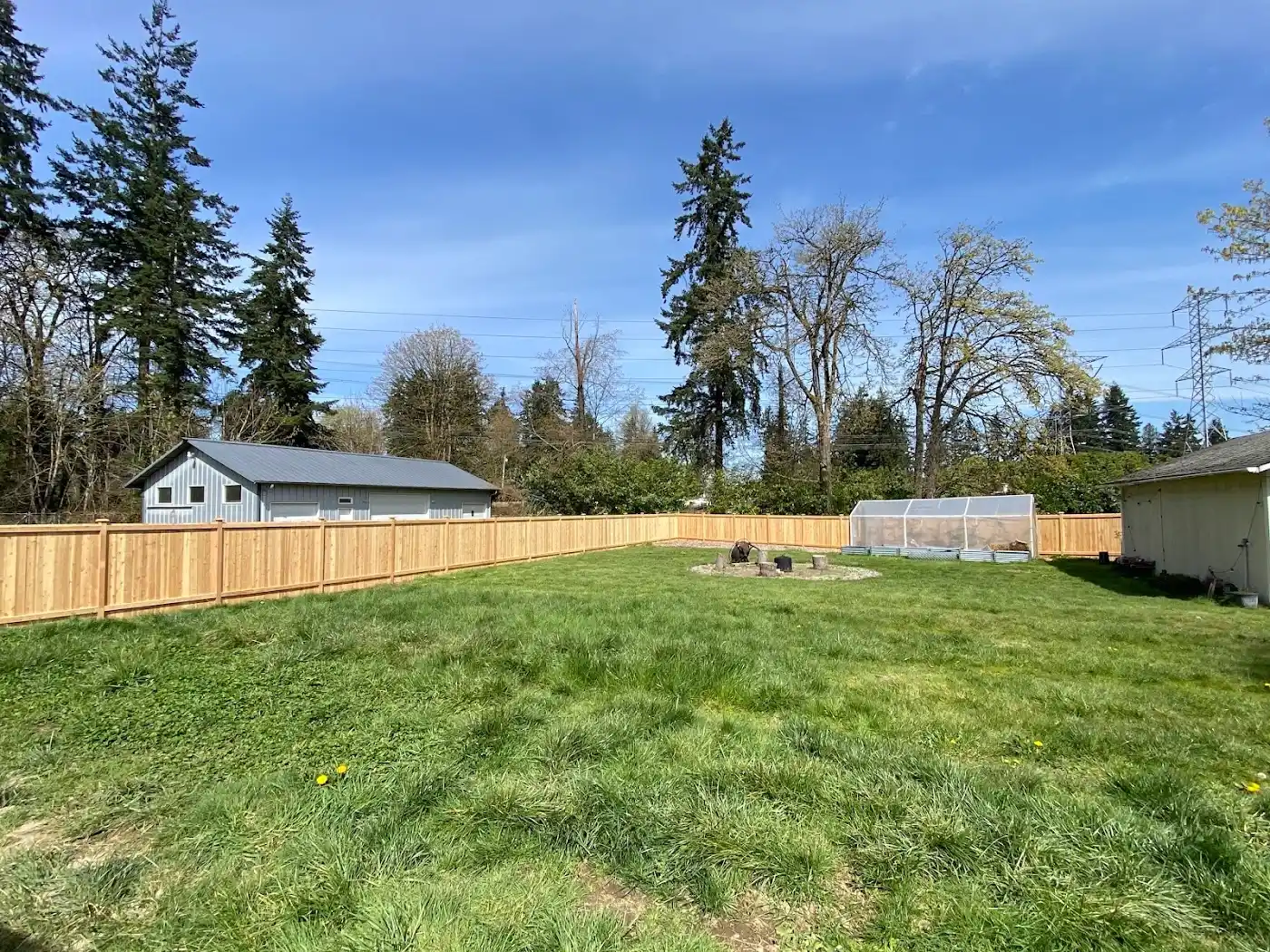
Things to Consider Before Making a Decision
Before committing to a specific height or style, evaluate these environmental and logistical factors:
- Terrain Slope: If the yard is sloped, the fence will need to be “stepped” or “racked.” Stepping creates a stair-step look at the top, while racking follows the contour of the ground. This affects which styles are viable.
- Maintenance Commitment: Darker stains and certain wood species require more frequent upkeep. Solid fences show more weathering than open styles like post and rail.
- Neighbor Relations: Sharing the plan with neighbors is a courtesy that can prevent disputes, especially if the fence is being placed directly on a shared property line.
- Utility Locations: Before digging post holes, which are typically 24 to 36 inches deep, it is mandatory to have underground utility lines marked.
Must have Common Concerns Regarding Design
Does a higher fence increase property value?
A well-maintained 6-foot privacy fence is often a selling point for families with children or pets. However, an oversized or poorly styled fence can detract from the home’s aesthetic. Market trends published by the National Association of Realtors suggest that outdoor improvements, including fencing, consistently provide a high return on enjoyment and functional value.
Can I mix different styles on one property?
Yes, it is common to use a 6-foot privacy fence for the backyard and a 3- or 4-foot decorative picket fence for the front. This maintains security where needed while keeping the front of the home inviting.
How deep should the fence posts go?
For most residential fences, posts should be buried at least one-third of their total height. A 6-foot fence usually requires 2 to 3 feet of post in the ground, typically secured with concrete to prevent shifting.
Summary of Key Takeaways
Choosing a wood fence requires matching the height to the functional goal and the style to the home’s architecture. A 6-bit privacy fence remains the standard for backyards, while 3- to 4-foot heights work best for front yards and pool safety. Always verify local zoning laws and HOA guidelines before purchasing materials. For the best results, prioritize wind-resistant styles like shadowbox in breezy areas and use high-quality cedar or pressure-treated lumber with galvanized fasteners. Evaluate the slope of the land and the location of utilities to ensure a smooth installation process that meets long-term property goals.
Contact Information for Your Fencing Needs
Monkey Fence provides professional guidance on selecting the best materials and designs for residential properties. Whether the goal is security, privacy, or aesthetic improvement, expert advice is available to help navigate local regulations and technical requirements. For inquiries regarding project planning or material specifications, contact Monkey Fence at (425) 517-2355 or via email at info@monkeyfence.com.
User Queries:
How do I measure for a new fence?
Measure the total linear footage of the area you want to enclose. Mark the corners and any gate locations first. Divide the total length by the width of the fence panels (usually 6 or 8 feet) to estimate the number of posts and sections required.
What is the best wood for a low-maintenance fence?
Western Red Cedar and Redwood are the top choices for longevity with minimal warping. While they still require staining every few years to keep their color, they handle moisture and insects better than untreated woods.
Do I need a permit for a 6-foot fence?
In many residential zones, a permit is required for any fence over 6 feet. Some cities require permits for all fences, regardless of height. Check with your local building department before starting the project.
How long does a wood fence typically last?
A professionally installed wood fence usually lasts between 15 and 20 years. Regular staining and ensuring the posts are properly set in gravel or concrete can extend this lifespan significantly.
Sources
- American Society of Civil Engineers – Technical standards for wind loads and structural integrity of outdoor barriers.
- National Association of Realtors – Research and data on how home improvements and fencing impact property value and marketability.