
Keeping a chain link fence in top condition requires a combination of regular cleaning, prompt rust treatment, and hardware adjustments. Property owners should wash the mesh at least once a year using a high-pressure garden hose and mild detergent to remove corrosive salts and dirt. Inspecting the structure for signs of oxidation and applying a rust-inhibitor spray to scratches prevents small issues from turning into structural failures. Maintaining proper tension in the wire and lubricating gate hinges ensures the fence remains secure and functional for decades.
This guide provides a detailed roadmap for preserving the appearance and strength of metal fencing. By following these practical steps, property owners can extend the life of their investment and avoid expensive replacements. The information shared here stems from extensive field experience in fence installation and long-term asset management, ensuring every recommendation is grounded in real-world application.
Establish a Routine Cleaning Schedule
Surface contaminants are the primary enemies of metal coatings. Over time, dust, bird droppings, and industrial pollutants accumulate on the wire mesh. If left untouched, these substances trap moisture against the metal, which can eventually bypass the galvanized or vinyl protective layer.
Begin by clearing away any tall grass or weeds growing through the bottom of the mesh. Vegetation holds moisture and limits airflow, creating a micro-environment where rust thrives. Once the perimeter is clear, use a garden hose with a spray nozzle to knock off loose debris. For stubborn spots, a bucket of warm water mixed with a small amount of dish soap works well. Avoid using harsh chemical cleaners or bleach, as these can react negatively with the zinc coating on galvanized steel.
Removing Organic Growth
In shaded or damp areas, moss and algae might begin to grow on the fence fabric. These organisms hold water and can cause premature degradation of the finish. A soft-bristle brush is the best tool for scrubbing these areas. Work from the top down to ensure dirty water doesn’t streak already cleaned sections.
Bonus Tip: For fences near high-traffic roads, use a diluted vinegar solution to cut through oily road film that standard soap might miss.
Manage Rust and Corrosion
Most modern uses chain link fences feature a galvanized coating where zinc protects the underlying steel. However, even this protection can fail if the surface is scratched or if the fence is located in a harsh environment. According to a market report by Grand View Research, the demand for durable metal fencing is driven by its longevity, but that longevity depends entirely on the integrity of its protective layers.
| Environment Type | Cleaning Frequency | Rust Inspection | Gate Lubrication |
|---|---|---|---|
| Coastal or Salty Air | Every 3 months | Every month | Every 3 months |
| High Humidity | Every 6 months | Every 3 months | Every 6 months |
| Arid or Dry Climate | Annually | Every 6 months | Annually |
| Urban or Industrial | Every 6 months | Every 3 months | Every 6 months |
Spot Treating Oxidation
If red or orange spots appear, action must be taken immediately. Use a steel wire brush or sandpaper to scrub away the loose rust until shiny metal is visible. Once the area is clean and dry, apply a cold galvanizing spray or a rust-inhibiting primer. If the fence is color-coated, use a matching outdoor spray paint designed for metal. This creates a fresh seal that stops the oxidation process in its tracks.
Maintain Hardware and Gate Alignment
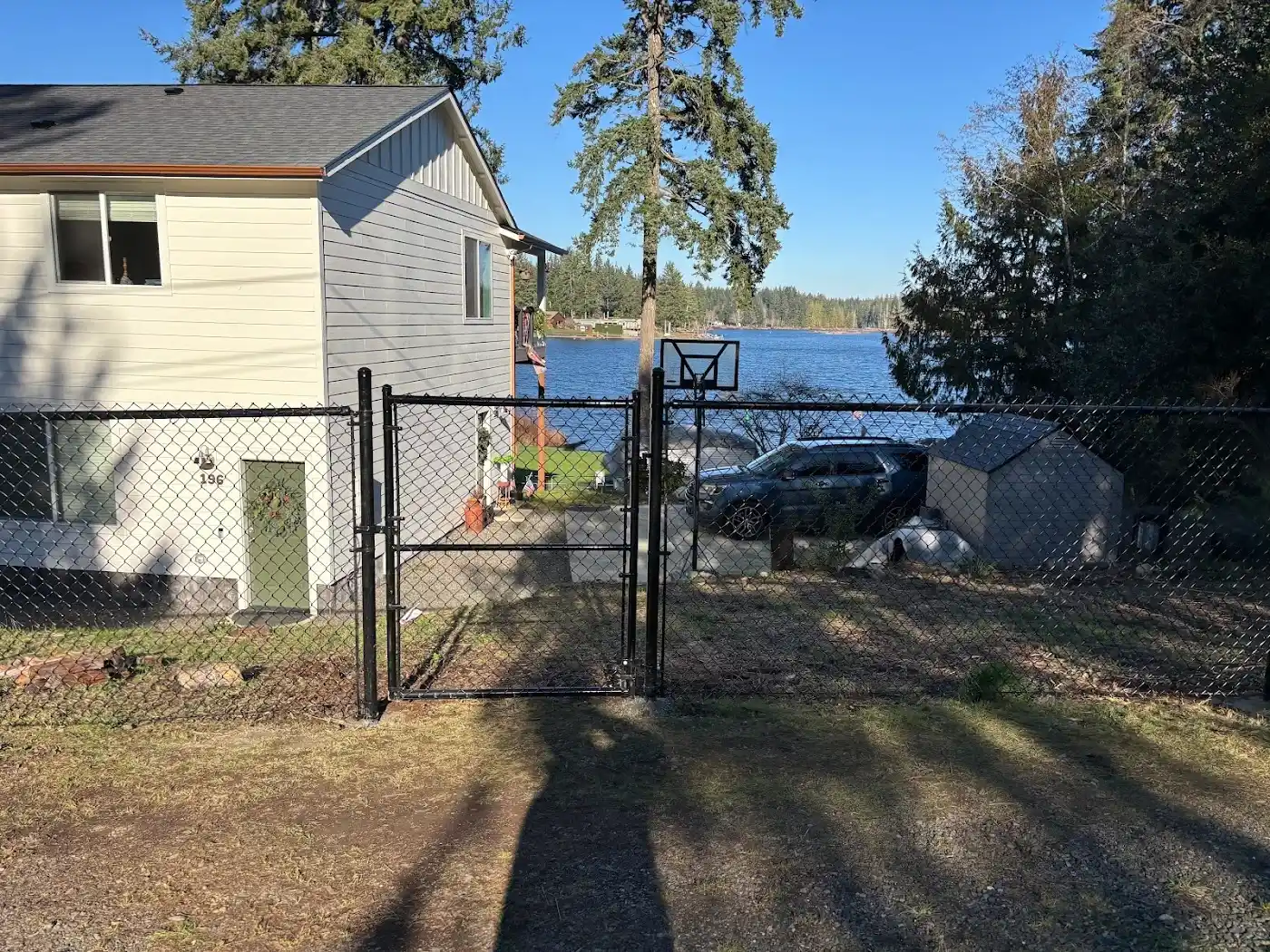
A fence is only as reliable as its moving parts and connections. Gates are the most active parts of the system and often experience the most wear. Over time, the weight of a gate can cause it to sag, or the hinges may begin to squeak and grind.
Check the gate hinges and latches twice a year. Apply a silicone-based lubricant or a light machine oil to the pivot points. Avoid using heavy grease, as it attracts dust and grit, which acts like sandpaper inside the hinge mechanism. If a gate drags on the ground, loosen the hinge bolts, reposition the gate to a level height, and retighten the hardware firmly.
Bonus Tip: If a gate continues to sag after adjustment, install a gate wheel on the leading edge to support the weight during its swing.
Monitor Tension and Stability
Chain link fences rely on tension to stay upright and look sharp. If the mesh begins to look wavy or sags between posts, it usually means the tension wire or the fabric itself has loosened.
Inspect the tension bars (the vertical metal bars at the ends of the fence) and the carriage bolts that hold them in place. If the bolts have rusted or snapped, replace them with galvanized hardware. For sagging top rails, check the rail sleeves that connect the horizontal pipes. If a rail has slipped out, it may indicate that a terminal post has shifted due to soil movement or frost heave.
Data published by Angi suggests that a well-maintained chain link fence can last 20 to 30 years. Keeping the structure tight is a major factor in reaching the upper end of that estimate.
What To Look For Before Making a Decision
When evaluating whether to repair or simply clean a fence, several variables come into play. Understanding these before starting work can save time and resources.
- Extent of Damage: If more than 15 percent of the fence fabric shows deep rust, replacing the entire roll of mesh is often more cost-effective than spot-treating individual sections.
- Post Integrity: Check the base of the posts at the ground line. If a post wiggles or the concrete footing has cracked, surface maintenance will not solve the underlying instability.
- Coating Type: Vinyl-coated fences require different care than galvanized ones. Scratches in vinyl need specialized touch-up kits to prevent the underlying wire from rotting inside the plastic sleeve.
- Local Climate: Properties near salt water or heavy snow require a much more aggressive maintenance schedule than those in temperate, inland areas.
Observations on Fence Maintenance and Longevity
Data from the American Fence Association highlights that metal fatigue and corrosion are the leading causes of residential fence failure. Focusing on these specific indicators allows property owners to address environmental wear early and avoid the high labor costs associated with digging out old footers to install new posts.
Consistency is the most effective strategy. A fence that is cleaned and inspected annually will almost always outlast a fence that is ignored for five years and then given a major overhaul. Small adjustments to a latch or the quick application of a rust-inhibitor can stop a chain reaction of damage.
Frequent Concerns Regarding Chain Link Care
Property owners often ask if power washing is safe for chain link. While it is effective, use a wide-angle tip and keep the wand at least 12 inches away from the mesh. Using too much pressure can actually strip the protective zinc coating or tear the vinyl skin on coated fences.
Another common question involves the use of climbing plants. While ivy or vines can look attractive, they are detrimental to the fence. They trap moisture, restrict airflow, and their weight can cause the top rail to bend. If a green screen is desired, it is better to use independent trellises placed a few inches away from the fence fabric.
Conclusion
The durability of a chain link fence makes it a popular choice for both security and containment. However, its longevity is not automatic. Regular inspections, seasonal cleaning, and prompt hardware adjustments are the specific actions that keep the structure looking new. Property owners should evaluate the current state of their fencing by checking for rust at the ground level and testing the gate swing. Addressing small imperfections today ensures the perimeter remains secure and aesthetically pleasing for many years.
Expert Assistance for Your Fencing Needs
When maintenance tasks reveal deeper structural issues, professional advice can help determine the best path forward. Whether a gate needs a complex realignment or a section of mesh requires professional replacement, expert support ensures the job is done correctly. For more information or to discuss specific fencing concerns, contact Monkey Fence at (425) 517-2355 or send an email to info@monkeyfence.com.
Frequently Asked Questions
How do I fix a hole in the chain link mesh?
Small holes can be patched using a piece of matching fence fabric and some tie wires. Cut a patch slightly larger than the hole and weave it into the existing mesh using pliers to secure the ends.
Can I paint a galvanized fence that has turned dull grey?
Yes. The dull grey color is actually a protective layer of zinc oxide. If the fence is clean, it can be painted using a high-quality acrylic latex paint or a specialized metal paint. Ensure the surface is free of oils and salts before applying the first coat.
Why is my gate latch not lining up anymore?
This is usually caused by the gate post leaning or the gate frame sagging. Check the post for vertical level. If the post is straight, adjust the hinges to lift the latch side of the gate back into alignment.
Is it necessary to oil the fence fabric?
No. The wire mesh does not need oil. In fact, oil will attract dirt and make the fence look messy. Only the moving parts of the hinges and latches should receive lubrication.
Sources
- Grand View Research – Market analysis of the fencing industry providing data on material durability and consumer trends.
- American Fence Association – The largest professional association for the fence industry, offering standards for installation and material longevity.