
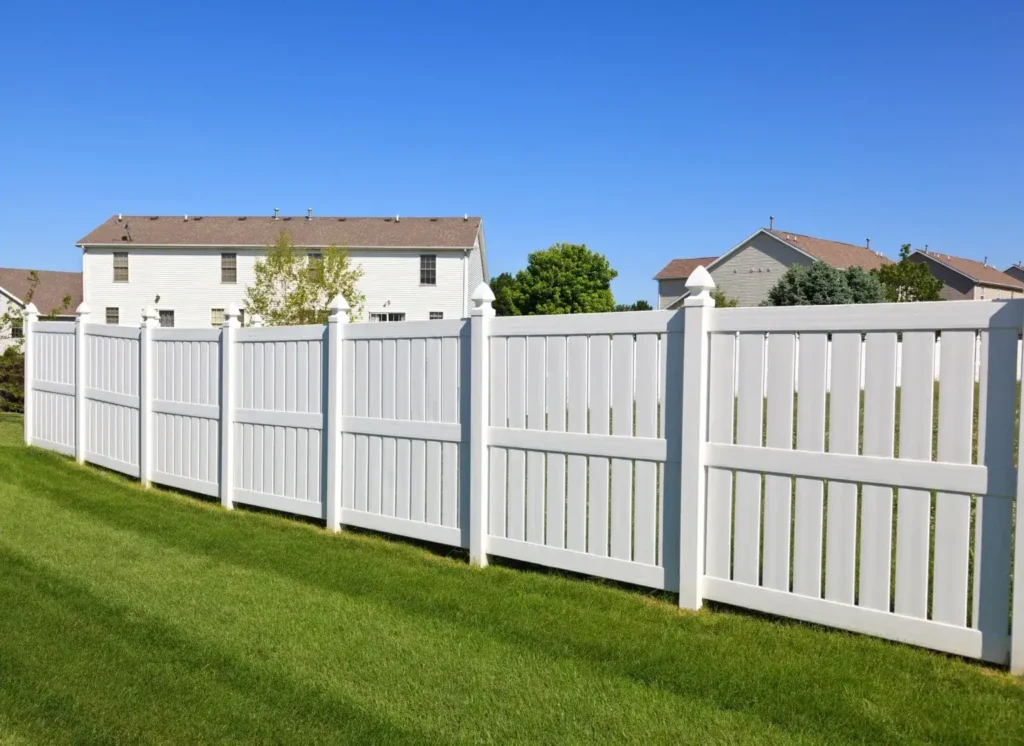
Fixing privacy issues in your yard requires a strategic choice of materials and height to block lines of sight effectively. A well-designed privacy fence uses solid infill panels or overlapping boards to eliminate gaps, ensuring neighbors or passersby cannot see into your private outdoor space.
This guide provides practical steps for selecting and installing the best barriers for your home. We draw on years of hands-on experience in the fencing industry to help you avoid common mistakes and choose a design that lasts.
Choose the right material for total blockage
The material you select determines how much seclusion you actually get. Some materials offer a complete visual block, while others allow dappled light or small gaps that might defeat the purpose of your project.
Solid wood remains a top choice for a residential boundary. If you use pressure-treated pine or cedar, make sure the boards are placed tightly together. Wood naturally shrinks as it dries, so a tight fit today might leave small gaps next summer, requiring periodic maintenance or adjustments. For residential and commercial applications seeking durability without the upkeep of wood, composite, and vinyl offer excellent alternatives.
Vinyl is another excellent option because the panels lock together using tongue-and-groove technology. This creates a solid wall that stays consistent over time. It doesn’t warp or shrink like natural wood, keeping your yard hidden year-round.
Use the board-on-board style to eliminate gaps
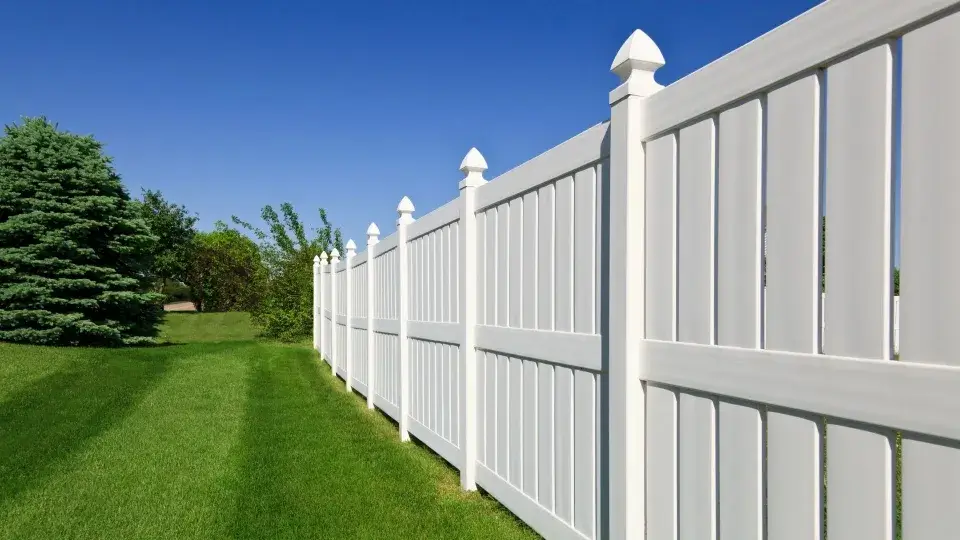
One of the best ways to ensure no one can see through your fence is to use a board-on-board design. This seclusion wall involves overlapping the vertical pickets on both sides of the horizontal rails.
When boards shrink in the sun, the overlap prevents any “peek-a-boo” gaps from forming. This design also looks identical on both sides, which is often required if you have a homeowners’ association (HOA).
Bonus Tip: If you live in a windy area, consider a shadowbox design. It offers great privacy from a direct angle while allowing wind to pass through, which prevents the fence from blowing over during storms.
Maximize height within local regulations
Height is the most direct factor in solving privacy problems. Most residential areas allow a secure perimeter up to six feet in the backyard. However, if your neighbor’s house is on a higher elevation, six feet might not be enough.
Check your local building codes before you start. A report from Decks.com explains that most municipalities have strict limits, and exceeding them without a permit can lead to fines. While solid options provide the best coverage, even chain-link fences can be adapted for privacy with specialized slats.
| Fence Type | Standard Height | Privacy Level | Maintenance Level |
|---|---|---|---|
| Solid Wood | 6 feet | High | High (Staining/Sealing) |
| Vinyl Panels | 6 to 8 feet | Maximum | Low (Soap and Water) |
| Chain Link with Slats | 4 to 6 feet | Moderate | Medium (Slats can break) |
| Composite | 6 feet | High | Low |
Address sloped terrain and uneven ground
If your yard is not perfectly flat, you have two main installation options: stepping or racking. Stepping over the fence installation creates a series of “stairs” along the slope. This can leave triangular gaps at the bottom where pets might escape or people can see in.
To fix this, we recommend the racking method if the material allows it. Racking follows the ground contour, keeping the bottom of the outdoor barrier close to the grass. This keeps the height consistent and closes off visual access from below.
Consider the impact of decorative tops
Many property owners want a lattice top for a more open feel. While attractive, a lattice top can compromise privacy if the holes are too large. If you choose this style, look for “small hole” lattice to maintain a private enclosure.
Plants and vines can also help. According to data from the Arbor Day Foundation, combining a physical fence with a living screen of tall shrubs can significantly improve noise reduction and visual blockage.
Bonus Tip: Always call 811 before digging post holes. Hitting a utility line is a fast way to turn a weekend project into an expensive emergency.
How do you choose the best design for your yard?
Before you buy materials, you need to evaluate the specific angles of your property. Walk around your yard and identify exactly where the “sightlines” are coming from. Is it a neighbor’s second-story window or a busy sidewalk?
If the issue is a high window, a standard six-foot fence won’t work on its own. You may need to add a pergola or strategically placed trees. A ScienceDirect study on urban planning indicates that vertical elements, such as trees, are often necessary to complement fences in multi-story neighborhoods.
Things to check before you build
Building a fence is a permanent change to your property. Take these steps to ensure you don’t have to tear it down later:
- Verify your property lines with a professional survey to avoid encroaching on your neighbor’s land.
- Review your HOA bylaws, as they often dictate the colors and materials you can use.
- Talk to your neighbors about your plans. It is often easier to build a fence when everyone is on the same page regarding the boundary.
- Check for underground pipes or wires that might interfere with post placement.
Reach out to our team for a free quote
If you are ready to secure your backyard, we are here to help you get the job done right. At Monkey Fence, we specialize in high-quality installations that stand the test of time. Our team focuses on providing durable solutions tailored to your specific property layout.
We offer professional guidance on material selection and local permit requirements to make the process easy for you. You can contact us at (425) 517-2355 or email us at info@monkeyfence.com to discuss your project. We look forward to providing a free quote and helping you create the perfect private retreat for your home.
Common questions about yard privacy
What is the cheapest way to get total privacy?
Pressure-treated wood is generally the most cost-effective material for a solid wall. While it requires more maintenance than vinyl, it provides an immediate visual block at a lower entry price.
Does a fence reduce noise from neighbors?
Solid privacy fence panels acts as a sound barrier, but it won’t block all noise. Thicker materials, such as masonry or heavy composite, reflect sound better than thin wood pickets.
How long does a wood privacy barrier last?
Depending on the wood species and local climate, you can expect a well-maintained wood fence to last 15 to 20 years. Regular staining helps prevent rot and UV damage.
Can I install a fence myself?
Yes, but it is physically demanding. You must ensure posts are set deep enough in concrete to withstand wind loads. Incorrectly set posts are the leading cause of fence failure.
Do I need my neighbor’s permission?
Legally, if the fence is entirely on your property, you usually don’t need permission. However, building a “spite fence” or blocking views can lead to legal disputes, so checking local ordinances is vital.
A final look at your fencing options
Choosing Privacy Fence ideas involves more than just picking a style you like. You must balance material durability, local height laws, and your yard’s specific terrain. By using overlapping boards or tongue-and-groove panels, you can eliminate gaps and create a truly secluded environment. We recommend evaluating your property from every angle to ensure your new barrier blocks the right sightlines. Take the time to plan your post depths and material finishes to ensure your investment lasts for decades.
Sources
- Decks.com – Information on common height regulations and permit requirements for residential fencing.
- Arbor Day Foundation – Guidance on using trees and shrubs to enhance privacy and sound dampening.