
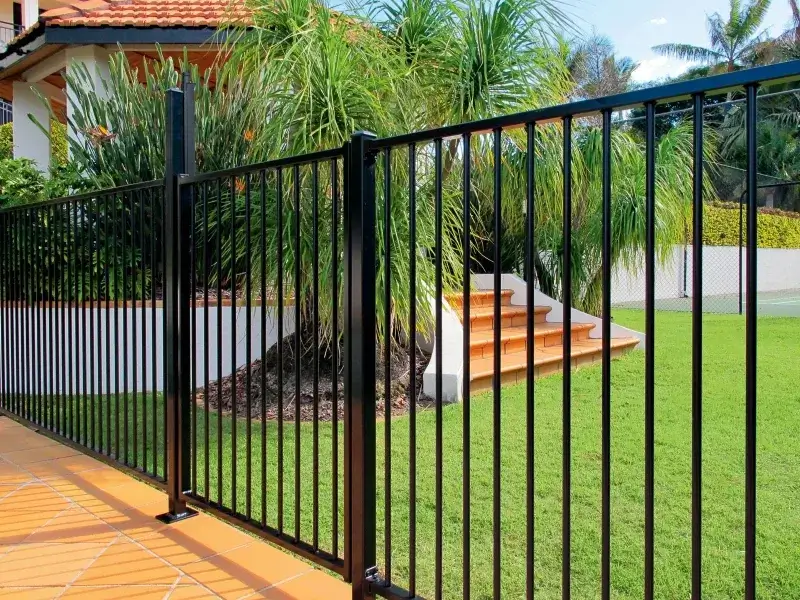
Vinyl and aluminum fencing are the top choices for managing the persistent wet weather in the Pacific Northwest. These materials do not absorb water, which prevents the rot, warping, and fungal growth common with traditional wood structures. Because they are non-porous, they maintain their structural integrity even during the record-setting rainfall months often seen in Pierce County.
Finding the best fence for heavy rain and moisture in Spanaway, WA, requires understanding how local soil saturation and high humidity levels impact different materials over time. This guide provides a detailed look at the most durable options and maintenance practices based on years of local installation experience. We provide this technical breakdown to help you make a choice that lasts decades rather than just a few seasons.
Why Vinyl Stands Up to Washington Weather
Vinyl is a synthetic material made from polyvinyl chloride (PVC). It is entirely waterproof, making it a premier durable fencing for wet climates. Unlike wood, vinyl does not have fibers that expand when wet and shrink when dry. This stability is vital in Spanaway, where the transition from a rainy morning to a sunny afternoon can cause wood to crack or twist.
Most high-quality vinyl products also include UV inhibitors. While rain is the primary concern, these inhibitors protect the material from becoming brittle after exposure to the sun. Since the material is the same color throughout, scratches do not reveal a different shade, and the surface remains easy to clean with a simple garden hose.
Bonus Tip: When choosing vinyl, look for “virgin vinyl” rather than recycled products. Virgin vinyl is generally thicker and offers better resistance to wind-blown debris during winter storms.
Aluminum Fencing as a Low-Maintenance Solution
Aluminum is naturally resistant to corrosion and rust. While iron fences can flake and oxidize when exposed to the 40-plus inches of annual rain in Western Washington, aluminum remains unaffected. It provides the aesthetic of a classic wrought iron fence without the heavy maintenance requirements of scraping and painting.
According to US Climate Data, Spanaway receives significant precipitation throughout the fall and winter. Aluminum’s powder-coated finish acts as an extra barrier against this moisture. This coating is baked on, ensuring it does not peel or blister even when the fence is constantly damp or sitting in tall, wet grass.
How Pressure-Treated Wood Compares
If you prefer the look of natural wood, pressure-treated lumber is the only viable organic option for this region. This wood undergoes a process where chemical preservatives are forced into the grain under high pressure. These chemicals help the wood resist rot and insect attacks, which are prevalent in the moist soils of the South Sound (the southern Puget Sound region).
However, even treated wood requires more attention than synthetic options. It is moisture-resistant only if it is regularly sealed. Without a professional-grade water repellent, the wood will eventually grey and may develop surface mold. It is often a more affordable upfront investment, but it carries higher long-term labor costs.
Material Performance Comparison
The following table compares how common materials handle the specific environmental stressors found in Spanaway and the surrounding Pierce County areas. Note that composite materials, discussed in the next section, provide a high-end alternative to these standard options.
| Feature | Vinyl | Aluminum | Pressure-Treated Wood | Chain Link (Galvanized) |
|---|---|---|---|---|
| Water Absorption | None | None | High (if unsealed) | None |
| Rust Resistance | Excellent | Excellent | N/A | Moderate (can rust over time) |
| Rot Resistance | Immune | Immune | High | Immune |
| Maintenance Need | Very Low | Very Low | High | Low |
| Expected Lifespan | 20 to 30+ Years | 30 to 50 Years | 10 to 15 Years | 15 to 20 Years |
Does Soil Type Affect Fence Longevity?
The ground in Spanaway often contains a mix of gravel and silty loam. This combination can lead to drainage issues in flat areas. When soil stays saturated for weeks, the pressure against fence posts increases. For this reason, the installation method is just as important as the material itself.
Using gravel at the base of post holes helps water drain away from the support structure rather than pooling around it. This is a waterproof fence installation technique that prevents “post heave,” in which the freezing and thawing of saturated soil push the fence out of alignment. We always recommend setting posts in concrete that is slightly crowned at the top to shed water away from the post.
Bonus Tip: If your yard has a specific area where water pools, consider installing a “bottom gap” of two inches. This allows water to flow under the fence during heavy downpours rather than building up pressure against the bottom rail.
Factors to Review Before You Select Your Fence
Before committing to a specific material, you should evaluate the unique characteristics of your property. Not every backyard in Spanaway faces the same challenges.
- Direct Exposure: Does your fence line sit in full sun or the shadow of large Douglas firs? Shaded areas stay wet longer, increasing the risk of moss and algae growth on wood and vinyl.
- Wind Load: Heavy rain in Washington often comes with wind. Solid privacy fences act like sails. If you live in an open area, consider a style that allows some airflow.
- Local Ordinances: Check with your owners’ association. Some Spanaway neighborhoods have strict rules about the color and materials allowed for fencing.
- Drainage Patterns: Observe where water flows during a storm. If a fence blocks a natural drainage path, it could lead to flooding in your yard or your neighbor’s property.
Are Composite Materials Good for Rain?
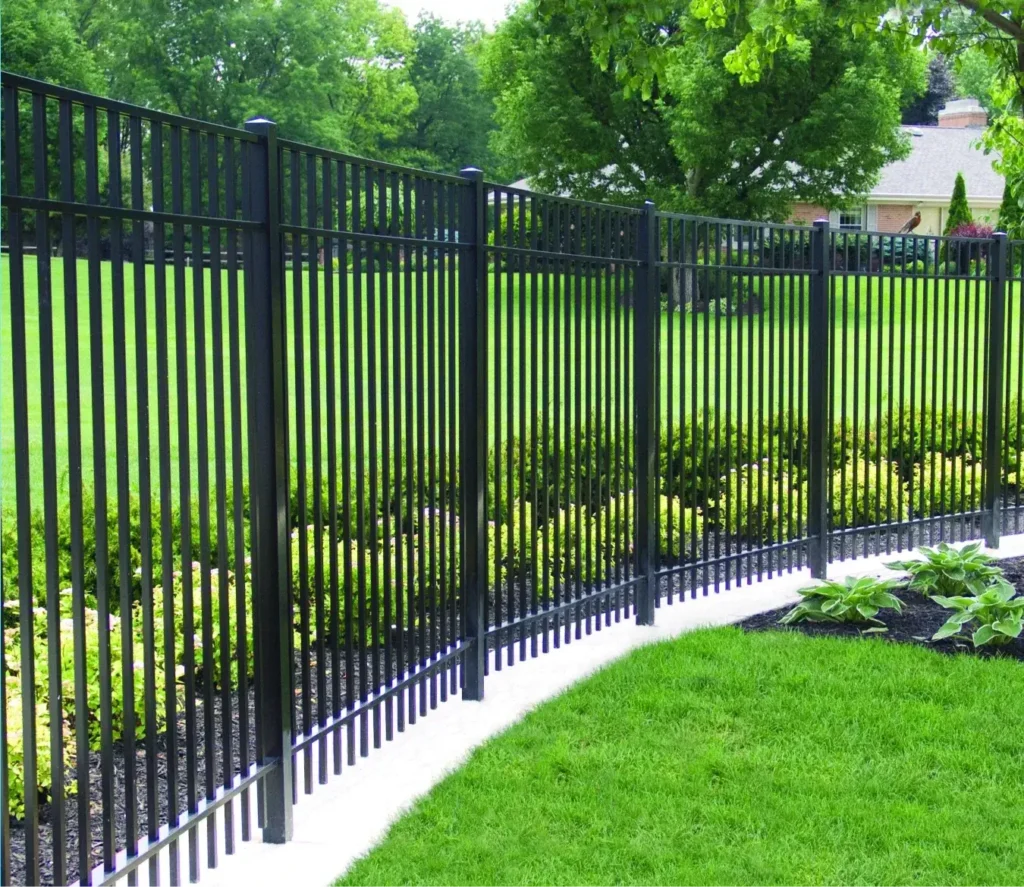
While not included in the basic comparison table above, composite fencing is made from a blend of wood fibers and plastic. It offers a very realistic wood appearance with much higher durability. A study by the Forest Products Laboratory indicates that wood-plastic composites are significantly less prone to fungal decay than raw lumber.
For residential and commercial property owners seeking a weather-resistant fencing option, composite fencing is a strong contender. It does not require staining or painting. While it is more expensive than vinyl or pressure-treated wood, its ability to withstand the “wet-dry” cycle of the Northwest makes it a smart long-term investment.
Common Questions About Local Fencing
Is cedar a good choice for Spanaway? Cedar is naturally rot-resistant due to internal oils. However, in the extreme moisture of Spanaway, the posts will eventually succumb to rot if they are in direct contact with wet soil. Using steel “Post on Pipe” systems can help cedar fences last much longer.
How often should I clean my fence in the Pacific Northwest? You should aim to clean your fence at least once a year, preferably in the spring. Removing the winter’s accumulation of grime and organic matter prevents permanent staining and keeps the material looking new.
Does heavy rain affect the fence warranty? Most vinyl and aluminum warranties cover manufacturing defects but not damage from natural disasters. However, these materials are specifically designed to withstand rain, so normal precipitation will not void a high-quality warranty.
Direct Professional Advice
Our team at Monkey Fence understands the specific climate challenges of the South Sound. We focus on building structures that withstand local elements. If you need assistance determining which material fits your budget and your property’s drainage needs, we are here to help. You can reach us at (425) 517-2355 or via email at info@monkeyfence.com. We provide a free quote for all projects to ensure you have a clear understanding of the costs and benefits of each material before we begin any work.
Summary of Best Practices
To ensure your boundary remains secure and attractive, prioritize materials that do not absorb water. Vinyl and aluminum are the industry standards for longevity in damp environments. If you choose wood, ensure it is properly treated and maintained with a high-quality sealant. Proper new fence installation, including adequate drainage at the post base, is the most effective way to protect your investment. By selecting the best fence for heavy rain and moisture in Spanaway, WA, you ensure that your property remains protected and looks great regardless of the weather.
Frequently Asked Auestions
Will my fence posts rot if they stay in standing water?
Yes, wood posts will eventually rot if they are submerged for long periods. Vinyl and aluminum posts are immune to this type of damage, making them better for low-lying areas.
Can I install a fence during the rainy season in Spanaway?
Yes, installation is possible year-round, though digging in saturated soil requires more care. We use specific techniques to ensure concrete sets properly, even when the ground is damp.
How do I prevent moss from growing on my fence?
Keep trees and shrubs trimmed back to allow airflow and sunlight to reach the fence surface. Regular cleaning with a mild vinegar solution can also discourage moss spores from taking root.
Does a fence help with yard drainage?
A fence itself does not improve drainage, but a poorly planned fence can make it worse. Always ensure your fence design allows for the natural exit of surface water.
Is metal fencing better than vinyl for heavy rain?
Both are excellent. Aluminum is often preferred for sloped yards because the panels can be “racked” to follow the ground, while vinyl is often preferred for total privacy.
Sources
- US Climate Data – Provides accurate precipitation and temperature averages for Spanaway and Pierce County.
- Forest Products Laboratory – A government resource offering technical data on the durability and decay resistance of wood and composite materials.