
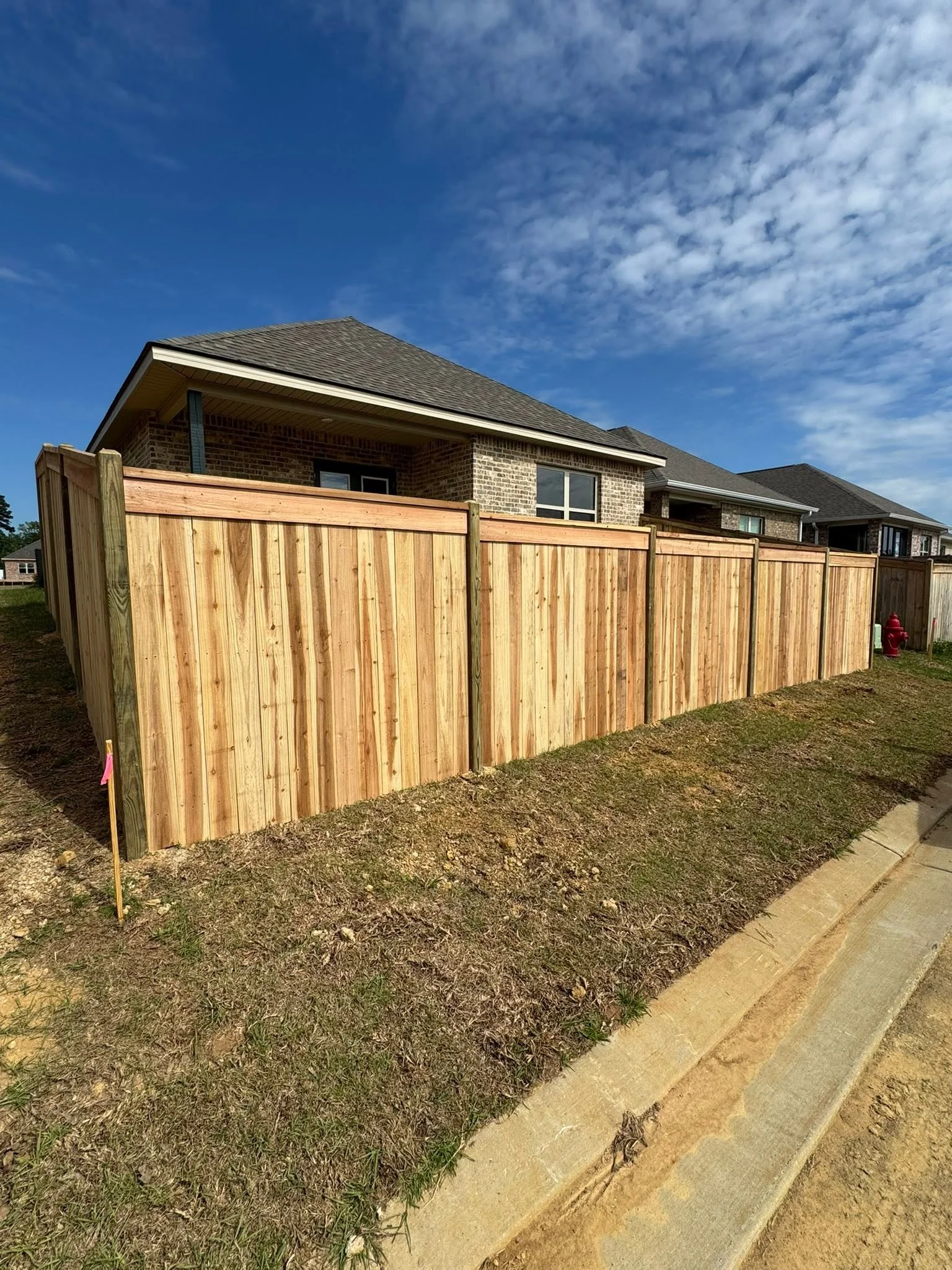
Choosing the right wood fence involves evaluating wood species, local climate conditions, maintenance requirements, and zoning laws. Property owners must balance the natural beauty of wood with the long-term commitment to staining or sealing to prevent rot and insect damage.
Monkey Fence understands that a fence is a significant investment for your property. This guide provides a detailed look at the practical elements that dictate the lifespan and performance of your wood fencing. Our team uses years of hands-on experience to help you identify which materials and designs suit your specific environment.
Wood species and natural durability
The type of wood you select is the most influential factor in how long your fence lasts. Most builders choose between pressure-treated pine, cedar, or redwood. Each has different levels of resistance to moisture and pests.
Pressure-treated pine is often the most budget-friendly option. It is chemically infused to resist rot. However, it is more prone to warping and shrinking as it dries. Cedar contains natural oils that repel insects and resist decay without heavy chemical treatments.
Redwood offers the highest level of natural durability but usually comes at a premium price. According to data provided by HomeGuide, wood fences typically cost between $15 and $35 per linear foot depending on the wood type and the complexity of the installation.
2. Climate and environmental exposure
Your local weather dictates how your wood fence will age over time. Areas with high humidity or frequent rain require woods with superior rot resistance. Constant moisture can lead to fungal growth and wood softening if the material is not protected.
In dry, sunny climates, UV rays are the primary concern. Intense sun exposure breaks down wood fibers and causes the color to fade to a silvery gray. Selecting a wood that takes well to UV-resistant stains can mitigate this damage.
Wind load is another environmental factor often overlooked. If you live in an open area with high winds, a solid privacy fence acts like a sail. In these cases, gaps between pickets or a shadowbox design can allow air to flow through and reduce strain on the posts.
3. Maintenance and long-term care
Wood is a natural material that requires consistent upkeep to stay in top shape. Unlike composite or vinyl fence, wood must be cleaned and resealed every two to three years. Neglecting this task can cut the lifespan of the fence in half.
Bonus Tip: Before applying a new coat of sealer, perform a water test. Sprinkle some water on the wood. If it beads up, the current sealer is still working. If the water soaks in quickly, it is time for a fresh coat.
The cost of maintenance includes both time and materials. You should factor in the price of high-quality stains and cleaners over the next decade. Some homeowners prefer the weathered look, but even then, a clear water repellent is necessary to prevent structural failure.
4. Comparing wood types and costs
This table compares the most common wood fencing materials based on their typical performance and price points.
| Wood Type | Durability Level | Maintenance Needs | Relative Cost |
|---|---|---|---|
| Pressure-Treated Pine | Moderate | High | Low |
| Western Red Cedar | High | Moderate | Medium |
| Redwood | Very High | Moderate | High |
| Douglas Fir | Moderate | High | Low to Medium |
5. Zoning laws and property lines
Before purchasing materials, you must check local building codes and Homeowners Association (HOA) rules. Many municipalities limit the height of backyard fences to six feet and front yard fences to four feet. Some areas also require the “good side” of the fence to face your neighbor.
Confirming your property lines is a critical step. Relying on old markers or “eyeballing” the boundary can lead to expensive legal disputes or the need to tear down and move the fence later. A professional survey is the only way to be certain of your boundaries.
Research from Fixr suggests that a building permit for a fence can cost anywhere from $40 to $150 depending on your local jurisdiction. Checking these requirements early prevents project delays and unexpected fines.
6. Post installation methods
The stability of your fence depends entirely on how the posts are set. Posts are the most vulnerable part of the fence because they stay in direct contact with soil and moisture. Most professionals recommend setting posts in concrete to prevent leaning.
However, concrete can sometimes trap moisture against the wood if not sloped correctly at the top. Using gravel at the bottom of the post hole allows for drainage. Some builders now use steel posts hidden by wood pickets to eliminate the risk of post rot entirely.
7. Style and functional goals
Identify what you want the fence to accomplish. A privacy fence uses tightly spaced pickets to block views. A picket fence provides a classic look while keeping pets contained. A split-rail fence defines boundaries without obstructing the view of the landscape.
Wood fence style you choose also impacts the amount of lumber required. For example, a shadowbox fence uses more pickets than a standard privacy fence because the boards overlap. This increases both material costs and the weight of the fence sections.
Bonus Tip: If you have uneven terrain, choose a “racked” installation rather than a “stepped” one. Racking allows the fence to follow the contour of the ground without leaving large triangular gaps at the bottom where pets could escape.
What are the most common mistakes to avoid?
One frequent error is choosing the wrong hardware. Standard nails will rust and leave dark streaks down your wood boards. Always use stainless steel or hot-dipped galvanized fasteners to prevent corrosion and maintain the appearance of the wood.
Another mistake is placing the wood pickets in direct contact with the ground. This “soil-to-wood” contact invites rot and termites. Leaving a two-inch gap between the bottom of the pickets and the dirt can significantly extend the life of the panels.
Finally, do not forget to call 811 before digging. Accidental hits to underground utility lines are dangerous and costly. Most utility companies will mark your lines for free, ensuring that your post holes do not interfere with water, gas, or electrical services.
Preparing for your installation
Once you have selected your wood type and confirmed your local regulations, prepare the site by clearing brush or old fencing. Ensure you have a clear path for fence installers and that any underground sprinklers are marked. Planning these details in advance makes the installation process much smoother.
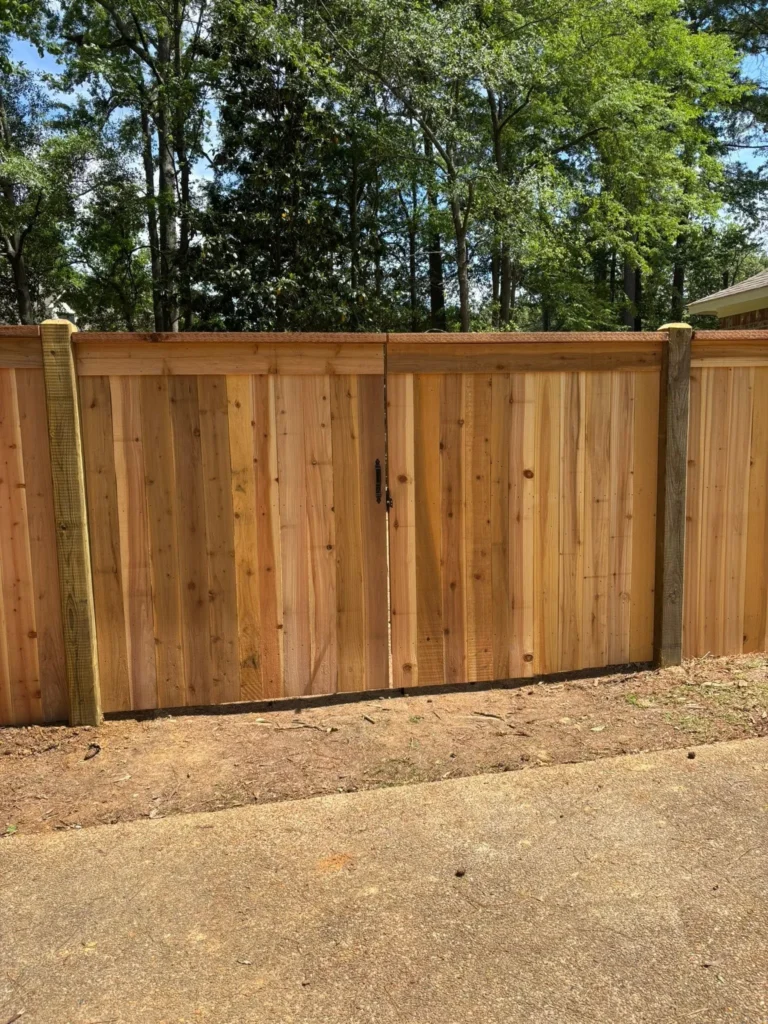
Think about how the fence will integrate with your existing gates and entry points. Gate posts should be reinforced or use larger timber to support the weight of the swinging door. Standard fence posts often sag over time if they are used to support heavy gates without extra bracing.
Selecting a durable wood fence
To choose the best wood fence, evaluate the wood species for its natural rot resistance and compare it against your local climate. Factor in the long-term costs of staining and sealing while ensuring your design complies with local zoning laws. Proper post installation and using the right hardware are the final steps in securing a fence that lasts for decades.
Connect with our fencing experts
We are ready to help you plan your next project with precision and care. Whether you need advice on material selection or a professional installation, Monkey Fence provides high-quality craftsmanship for every property. Contact us at (425) 517-2355 or email info@monkeyfence.com to discuss your ideas. We offer a free quote to help you get started on building a fence that meets your specific needs and budget.
Frequently Asked Questions
How long does a wood fence typically last?
A well-maintained cedar or redwood fence can last 15 to 20 years. Pressure-treated pine usually lasts 10 to 15 years, provided it receives regular sealing to prevent rot and warping.
When is the best time to stain a new fence?
Wait until the wood is fully dry. For pressure-treated lumber, this may take several weeks. Test the wood by splashing water on it; if it absorbs, it is ready for stain.
Should I use nails or screws for wood fencing?
Hot-dipped galvanized or stainless steel screws are preferred for longevity. They offer better holding power than nails and will not rust or cause unsightly staining on the wood surface over time.
Does a wood fence increase property value?
A professionally installed wood fence can improve curb appeal and provide security. Many buyers value privacy fencing, which can make your home more competitive in the local real estate market.
How do I stop my wood fence from leaning?
Leaning is usually caused by shallow post holes or rot. Ensure posts are buried at least one-third of their height and set in concrete with a gravel base for drainage.